


Silver Vanity Jar Bottle
These silver vanity jar bottle pieces are dressing table essentials combining precious metal with glass, prized for their decorative utility.
Silver Vanity Jar Bottle
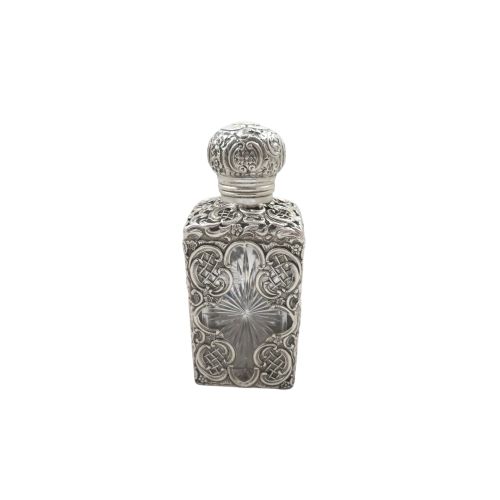
A silver vanity jar bottle is a dressing table accessory designed to hold perfumes, cosmetics, or small trinkets. These items range from small scent bottles to larger dressing table jars and vanity containers.
Most pieces encountered on this page date from the Victorian, Edwardian, and Art Deco periods. They combine functional glass containers with sterling silver lids, mounts, or stoppers.
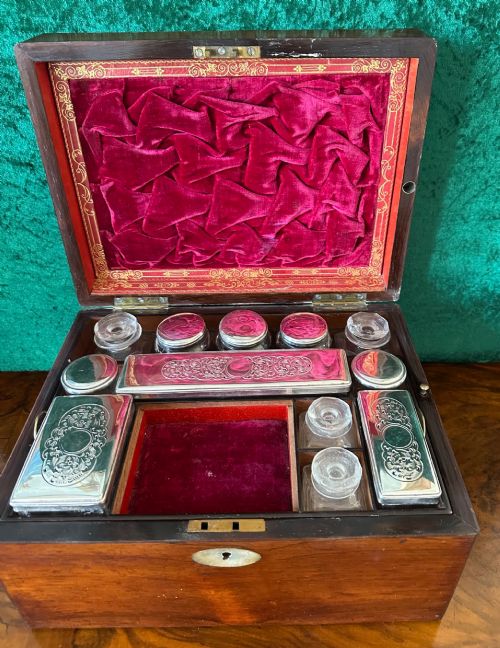
Forms include globular perfume bottles, tall vanity jars, and fitted travelling cases. They reflect the dressing table habits of the nineteenth and early twentieth centuries.
How They Were Made
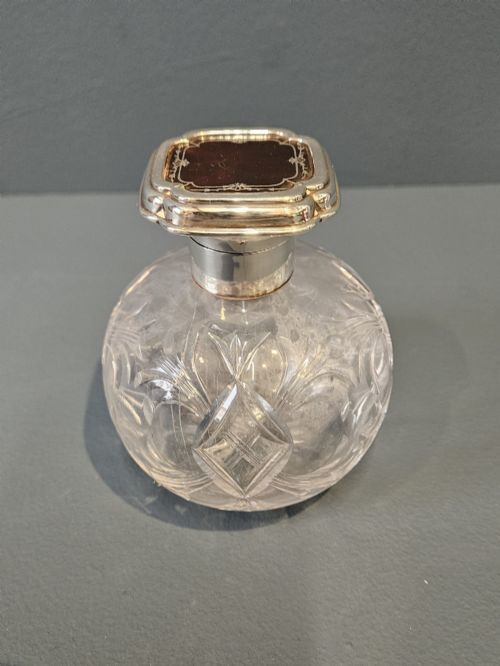
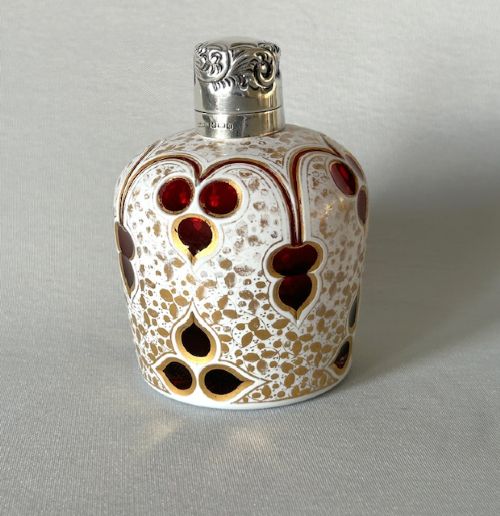
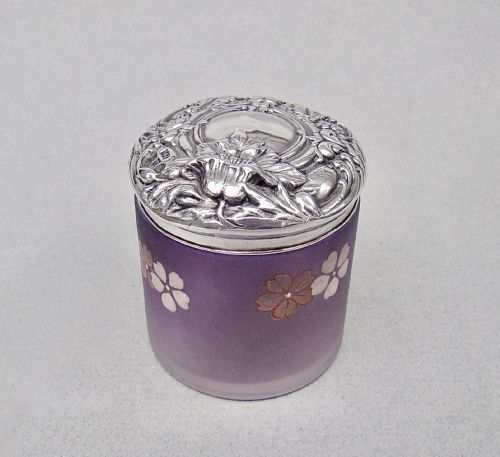
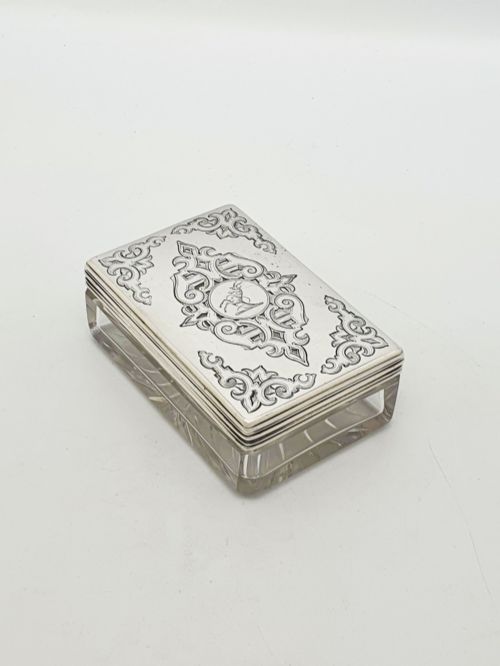
Makers combined heavy cut glass or crystal bodies with solid sterling silver mounts and screw or hinged lids. Glass was frequently mould-blown and hand-cut, or occasionally coloured in cranberry, amethyst, or frosted finishes.
Silver components were shaped by stamping, casting, or spinning, then fitted with hallmarked collars and caps. Many lids incorporate organic materials like tortoiseshell or decorative techniques such as guilloche enamel.
Listings span periods from Georgian and Victorian times through Edwardian eras into 1920 and 1930 Art Deco designs.
What Varies in Quality
Quality rests upon the weight and clarity of the glass and the gauge of the silver used in the mounts. Deeply cut crystal and thick, solid silver lids indicate superior manufacture compared to thin metal and plain moulded glass.
The integration of secondary materials such as tortoiseshell or enamel distinguishes finer pieces. Intricate craftsmanship in the hallmarks, hinges, and decorative engraving elevates the status of an individual item.
Henry Perkins·Jonathan Douglas·Barnsley and Co·Adie Brothers Ltd
The Silver Vanity Jar Bottle Glossary
- Hallmark
- Official stamps struck on precious metals indicating the assay office, metal purity, and year of manufacture. These marks provide precise dating for British silver.
- Guilloche
- A decorative mechanical technique producing precise, intricate patterns beneath a translucent enamel layer. It appears frequently on twentieth-century vanity lids.
- Cut glass
- Glass decorated by grinding facets or patterns into the surface using a rotating wheel. Deeply cut crystal enhances the brilliance of scent bottles.
- Tortoiseshell
- The mottled brown and amber shell of certain turtle species used for decorative inlay and lids. It provides a rich contrast against polished silver mounts.
- Dressing table jar
- A small container designed to hold cosmetics, pins, or powder on a dressing table. These often feature matching silver lids and glass bodies.
Silver Vanity Jar Bottle: Frequently Asked Questions
What are silver vanity jar bottles?
These items are decorative containers made for dressing tables to hold perfumes, salts, or cosmetics. They pair glass bodies with sterling silver lids and collars.
Such pieces date primarily from the nineteenth and early twentieth centuries. They served both practical storage purposes and ornamental display functions.
How do I date a silver vanity jar?
Dating relies on the silver hallmarks stamped onto the metal mounts. These include symbols for the assay office, date letters, and maker's marks.
Stylistic indicators like Art Deco geometric lines or Victorian floral engraving also help narrow the period of manufacture.
Were these bottles meant for travel?
Certain forms, particularly those housed in fitted boxes or featuring secure screw tops, were designed for travel. They protected personal fragrances during transit.
Other larger jars and delicate glass bottles remained stationary on bedroom dressing tables. These focused more on display than portability.
What glass types appear on these pieces?
The listings feature heavy cut glass and crystal alongside coloured examples in cranberry and amethyst glass. Frosted and clear glass bodies are also common.
Each glass type affects how light interacts with the bottle. Cut crystal produces the most brilliance when catching dressing table light.