


Vintage Scent Bottle
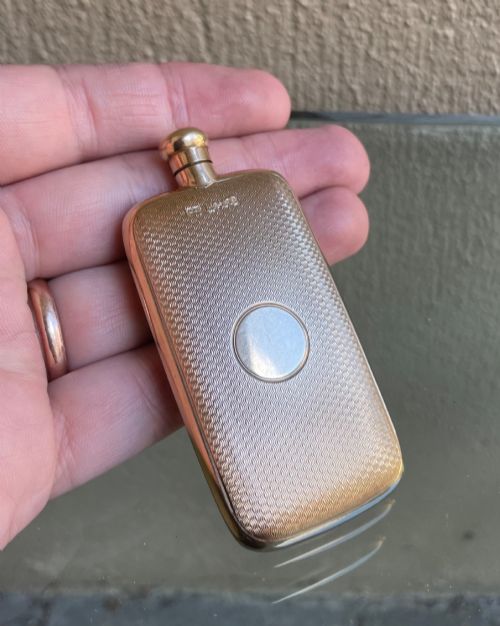
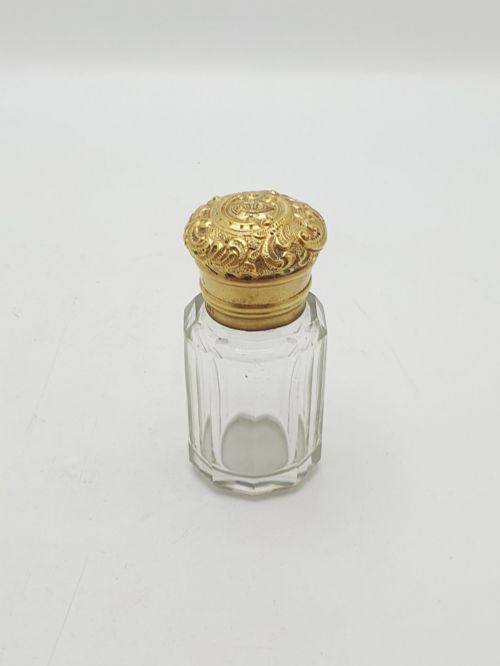
These vintage scent bottle pieces offer a tangible link to dressing table elegance, combining glass, silver, and enamel from the nineteenth and twentieth centuries.
Vintage Scent Bottle
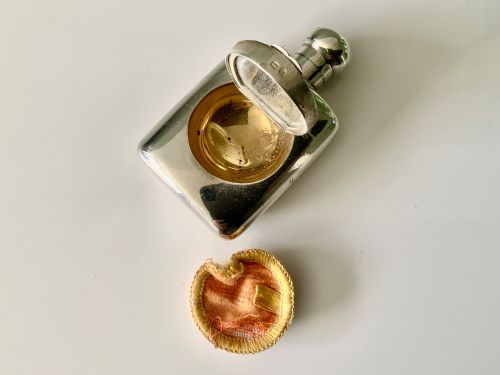
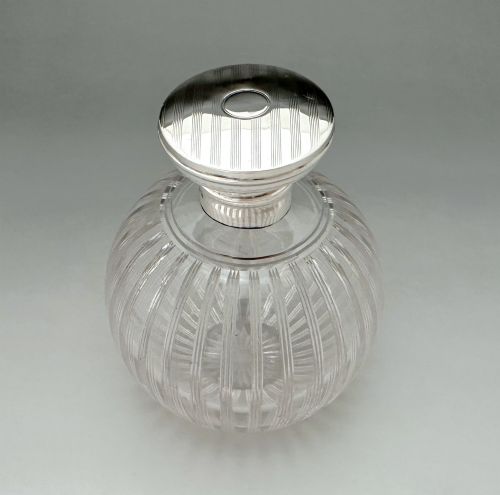
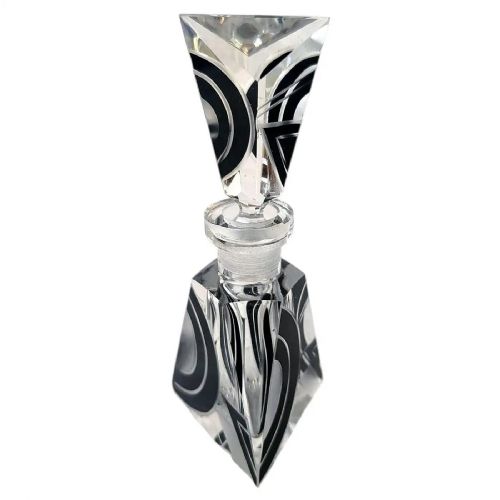
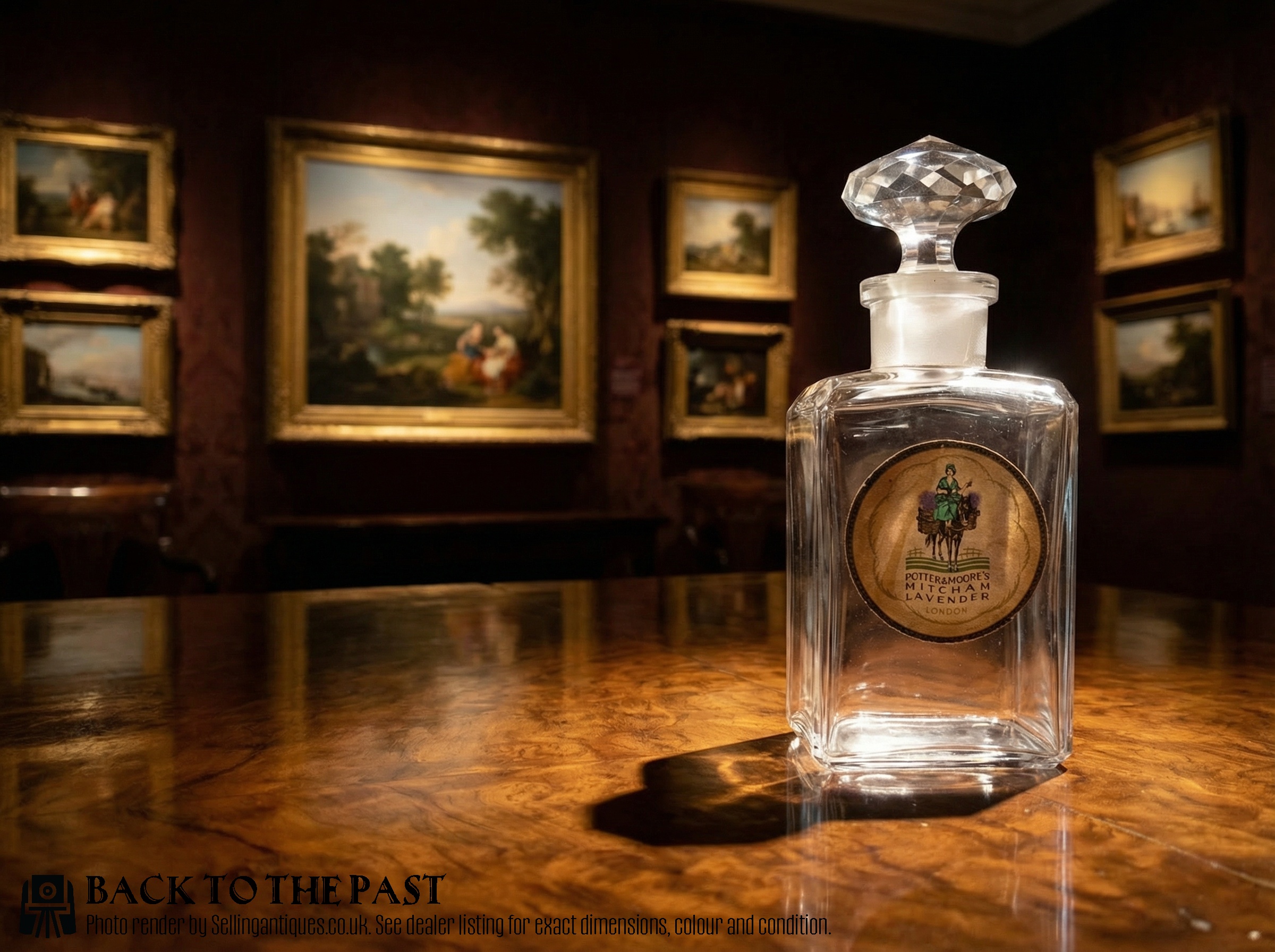
A vintage scent bottle represents personal vanity and decorative arts, spanning periods from the Victorian era through Edwardian times to Art Deco designs. Buyers searching this phrase commonly encounter small glass or crystal vessels fitted with sterling silver collars, hinged lids, or atomiser pumps.
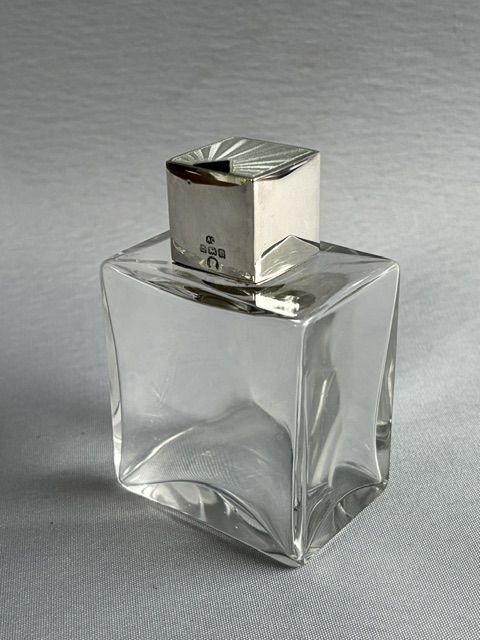
The selections on this page draw from diverse origins, including English workshops, French makers, and Bohemian glasshouses. Forms range from simple pocket flasks to heavy geometric dressing table containers intended for daily use or travel.
Materials and construction
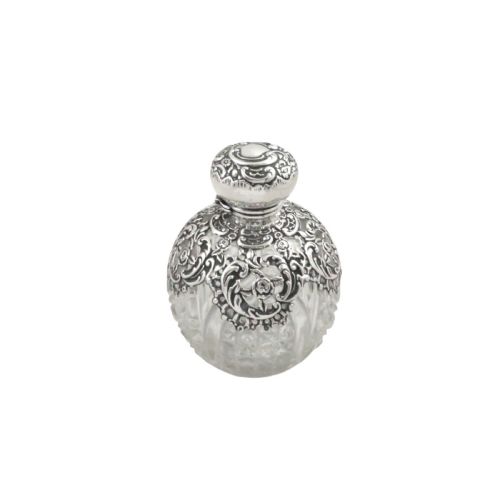
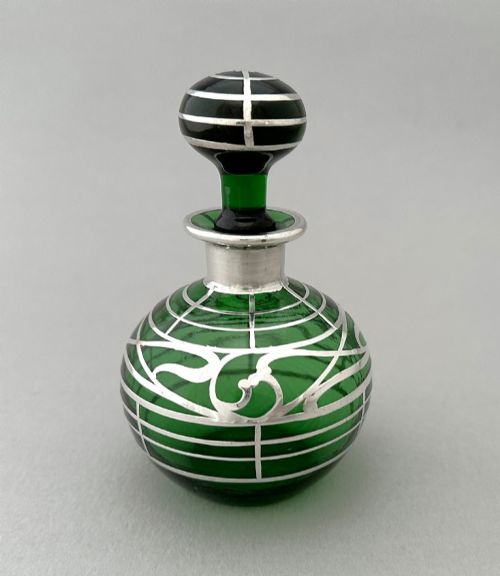
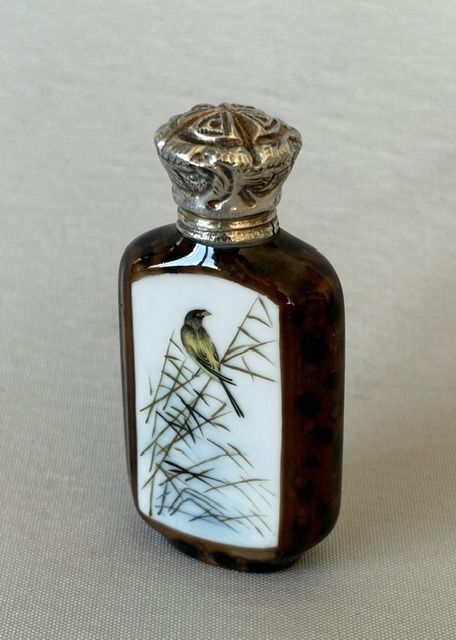
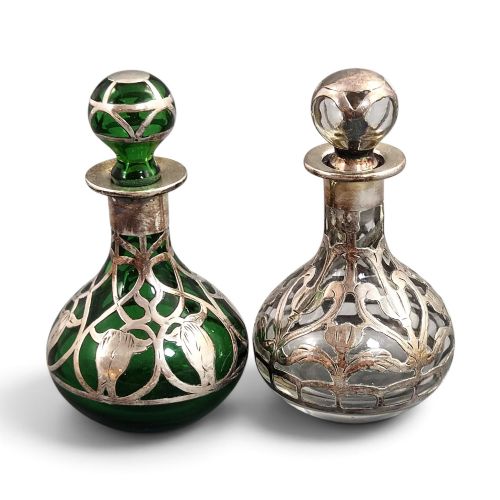
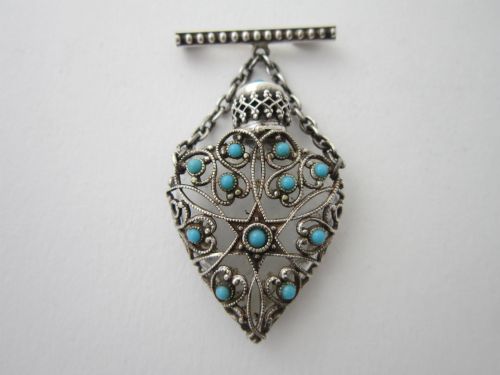
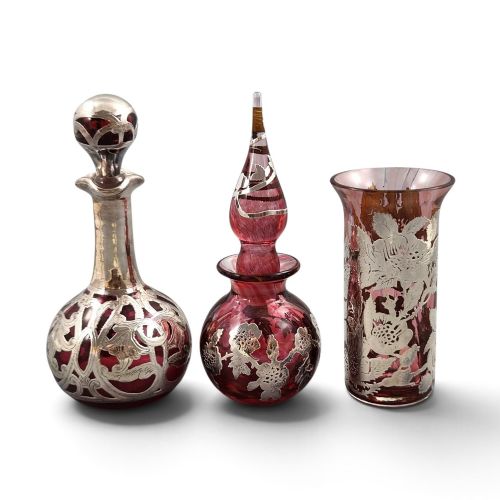
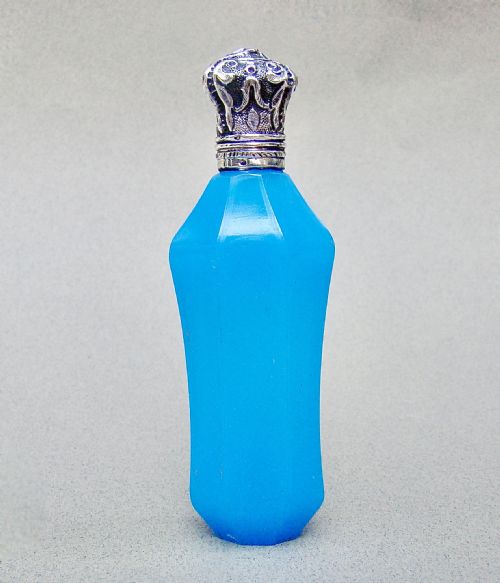
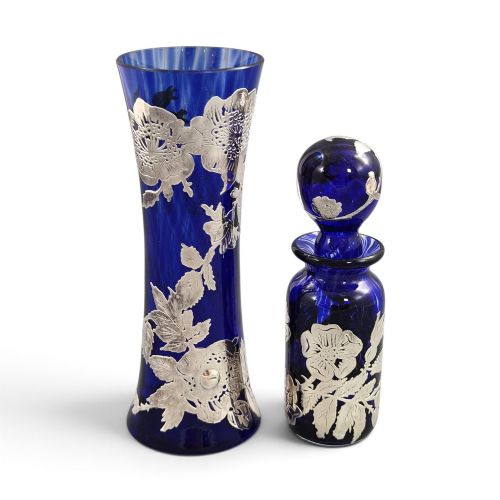
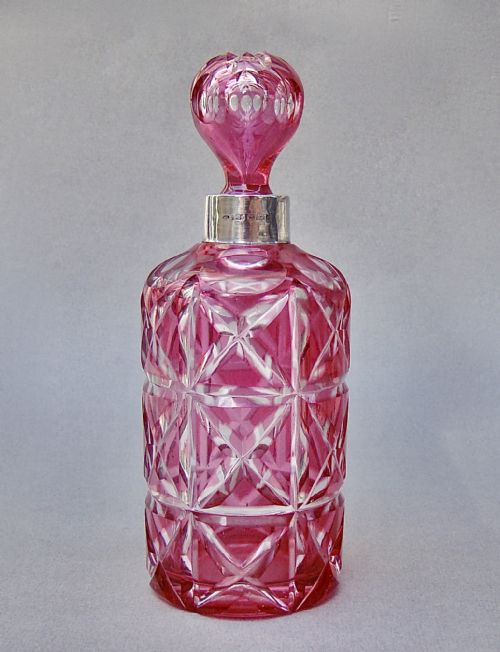
Makers utilised clear cut glass, moulded glass, and coloured glass such as ruby, cranberry, and opaline, often pairing them with sterling silver, silver gilt, or nine-carat gold mounts. Metal overlays, tortoiseshell insets, and guilloche enamel add surface complexity to the glass bodies.
Techniques combined glassblowing and precision cutting with metalsmithing, where silversmiths formed hinged caps and collars to secure glass stoppers. Continental and English makers applied hallmarks and maker marks directly onto the precious metal mounts.
Vintage Scent Bottle Retail Price Guide 2026
Typical asking prices for vintage scent bottle among the pieces listed under this phrase on Sellingantiques today, from the lower quarter to the upper quarter. They describe what is for sale here now, not the wider market.
Listings feature items spanning the Victorian era through Edwardian designs to Art Deco styles, incorporating sterling silver, opaline glass, and guilloche enamel.
Assessing craftsmanship
Quality rests in the weight and clarity of the glass, the crispness of geometric or moulded patterns, and the integrity of any metal overlay. Finely worked guilloche enamel and well-fitted internal glass stoppers indicate higher workmanship.
The harmony between the glass body and the metal mounts determines the success of the piece, where secure hinges and legible hallmarking distinguish finer examples from standard production items.
Rene Lalique·Karl Palda·Gorham·Henry Perkins·Harold Bushell and Co·Tonnel Paris·Laugharne·Asprey London
The Vintage Scent Bottle Glossary
- Guilloche enamel
- A decorative technique where precise, intricate patterns are mechanically engraved into metal beneath a translucent layer of coloured enamel.
- Sterling silver mount
- A collar, cap, or decorative overlay formed from standard silver alloy fitted securely to the neck or body of the glass vessel.
- Opaline glass
- An opaque or semi-translucent glass developed in various pastel shades, frequently utilised during the nineteenth century for decorative vanity items.
- Cut crystal
- High-clarity glass shaped by grinding and polishing facets that reflect light across the surface of the bottle.
Vintage Scent Bottle: Frequently Asked Questions
How were these bottles used?
These vessels held liquid perfumes, colognes, or spirits for personal grooming and freshening clothing during the day. Ladies carried smaller versions in travel cases or handbags while larger designs remained stationary on dressing tables.
Fitted stoppers and inner corks helped prevent evaporation of volatile scents, keeping precious oils contained securely until needed.
How do I date a silver mount?
British pieces typically rely on assay office marks, date letters stamped into the silver, and maker marks to identify the exact year of production. Examining these small punches reveals whether a piece originated in the Victorian era or later periods like George V.
Continental and unmarked items require stylistic clues, such as Art Nouveau floral lines or Art Deco geometric motifs, to narrow down the decade.
What is the difference between glass and crystal?
Crystal contains mineral additives like lead oxide that increase weight, brilliance, and the refraction of light compared to standard glass. This heavier material allowed deeper facets to be cut into the body without compromising structural stability.
Many high-end pieces from the Edwardian and Art Deco periods utilise crystal to achieve sharp geometric optical effects.
How should I display them?
Placing these bottles on mirrored trays or dedicated vanity surfaces allows light to pass through coloured and cut glass elements effectively. Grouping items by period or colour tone highlights differences in manufacturing techniques across decades.
Stable, flat surfaces away from direct sunlight protect delicate enamel work and prevent accidental tipping of top-heavy designs.