





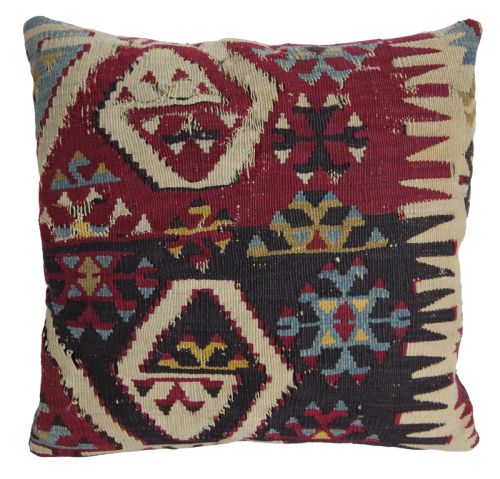


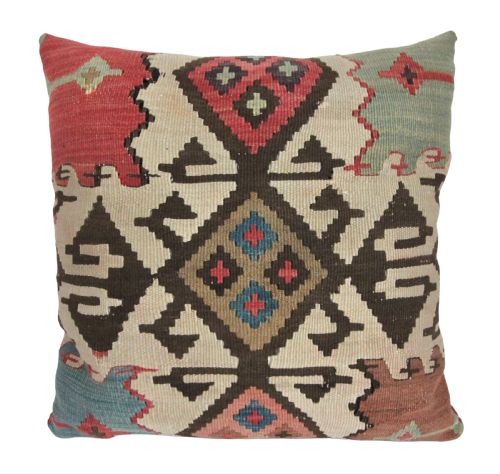
Vintage Scatter Cushion
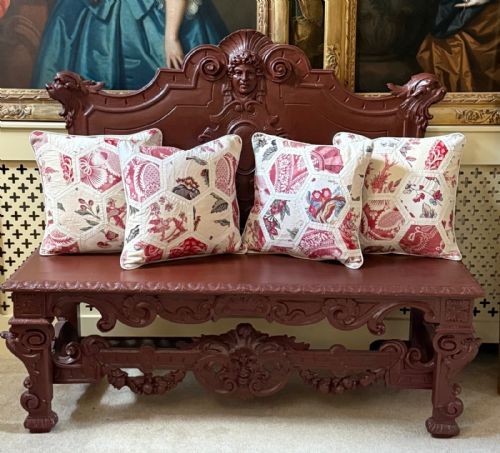
These vintage scatter cushion examples bring antique textiles directly into modern seating, offering historic rugs, tapestries and silks worked into comfortable soft furnishings.
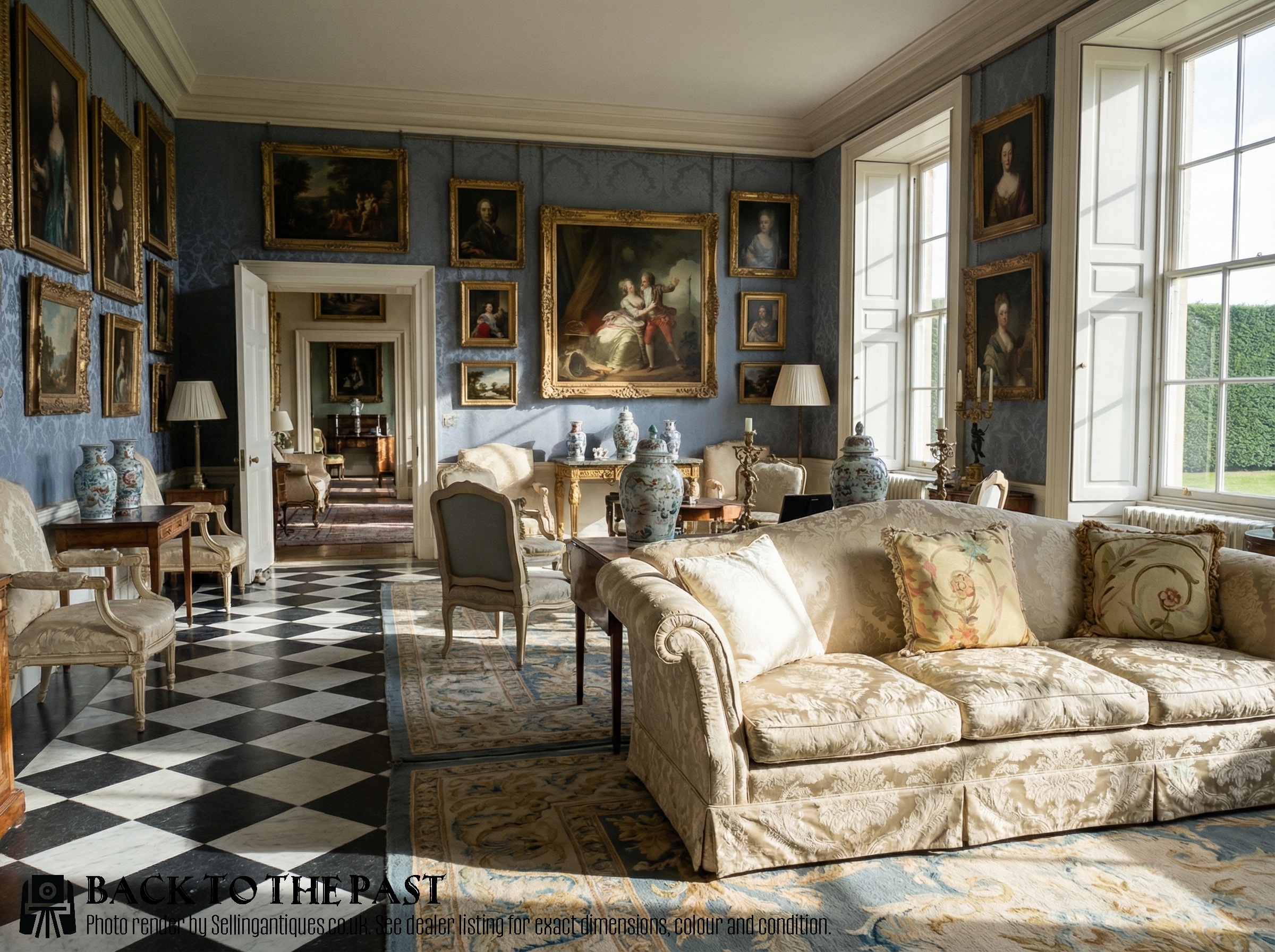
Vintage Scatter Cushion
A vintage scatter cushion represents a practical way to live with historic textiles, transforming fragments of older rugs, tapestries and flatweaves into supportive soft furnishings. When you search for a vintage scatter cushion, you encounter items fashioned from older materials rather than newly manufactured decorative objects.
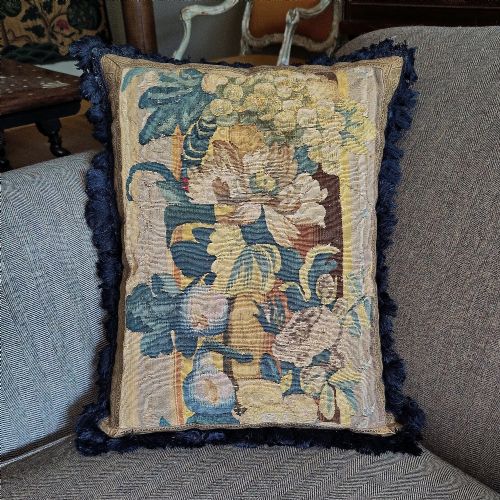
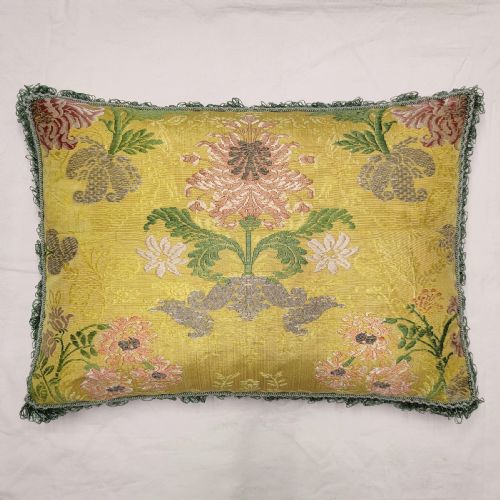
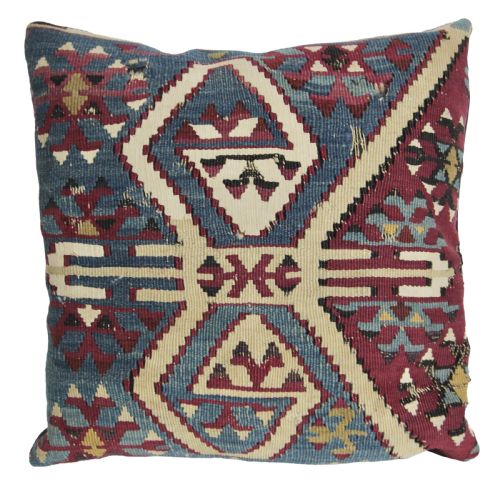
The selections here draw heavily on antique kilim cushions, tribal bag faces, and French Aubusson weaves. These pieces repurpose 18th century Belgian linen, 17th century Flemish tapestry borders, and early 20th century Baluch rugs into cushions complete with feather inners.
What varies in quality
Quality rests primarily on the integrity and age of the source textile, distinguishing humble wool flatweaves from finely worked 18th century French silk or Aubusson tapestry fragments. The condition of the weave and the authenticity of the period backing materials dictate the overall character of the piece.
Construction standards also vary between simple hand-woven bag faces and complex decorative covers featuring passementerie trim and dedicated feather inners. The origin of the textile, whether an Anatolian tribal rug or a Flemish tapestry border, establishes the aesthetic hierarchy.
Materials seen across these listings include wool, cotton, silk, linen, and feather, combined with fabric fringe and passementerie.
The Vintage Scatter Cushion Glossary
- Kilim
- A flat-woven carpet or rug made in countries of the former Ottoman Empire, Persia and Central Asia. These textiles form the flat surfaces of many tribal cushions.
- Aubusson
- A French tapestry style named after the town where weavers produced characteristic floral and scenic designs. These panels often appear on formal cushions.
- Passementerie
- Elaborate edgings, trimmings, beads, or fringes applied to textiles. Such decorative borders finish the edges of certain cushions.
- Bag Face
- The decorative front panel of a nomad's storage sack, hand-woven in wool and repurposed into durable cushion covers.
Vintage Scatter Cushion: Frequently Asked Questions
What is a vintage scatter cushion made from?
These pieces utilise historic textiles repurposed into soft furnishings. Materials include wool, cotton, silk, linen, and feather.
Many examples incorporate sections of older rugs, kilims, and tapestries paired with supportive inner fillings.
How do I care for antique cushions?
Care depends on the age and fragility of the source textile, such as delicate silk or robust wool flatweaves. Gentle treatment preserves the original weave and decorative fringe.
Professional cleaning is usually recommended for older fabrics containing historical linen backs or passementerie.
Are these cushions made from real antique rugs?
Yes, listings feature genuine older textiles including 19th century kilims, Baluch rugs, and tribal bag faces. These antique surfaces are adapted into functional home accessories.
Each cover retains the character and weaving techniques of its original period.
What periods do these cushions come from?
The selections span multiple centuries, including 17th century Flemish fragments, 18th century French silks, and 19th century tribal weavings.
Edwardian and early 20th century examples also appear frequently across the current collection.