

Vintage Scandinavian Silver
Vintage Scandinavian silver brings together clean modernist forms and intricate enamelling from workshops across Denmark, Norway and Sweden.
Vintage Scandinavian Silver
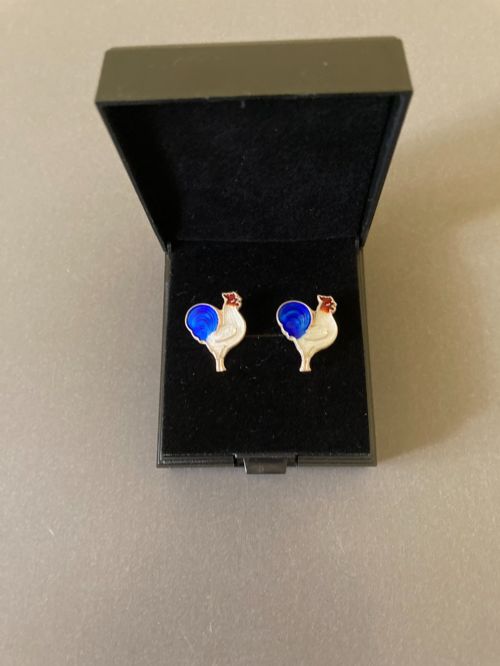
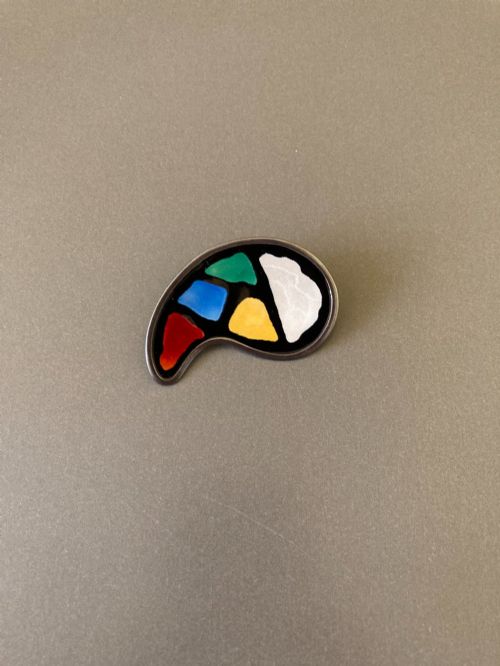
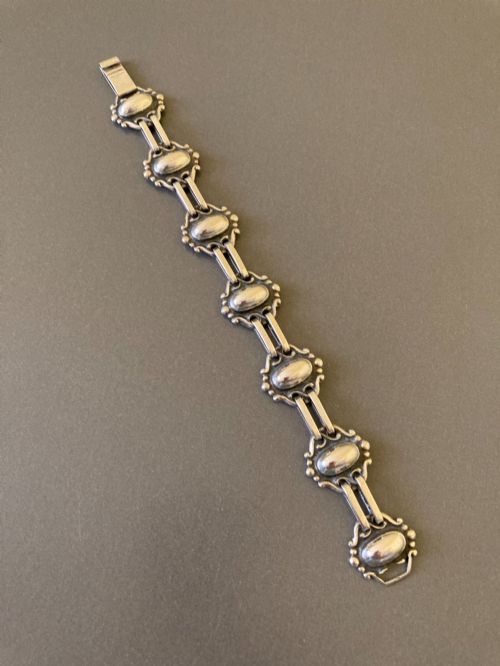
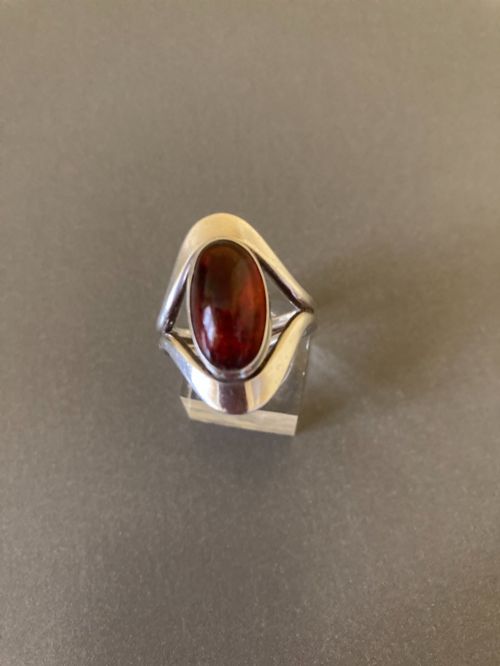
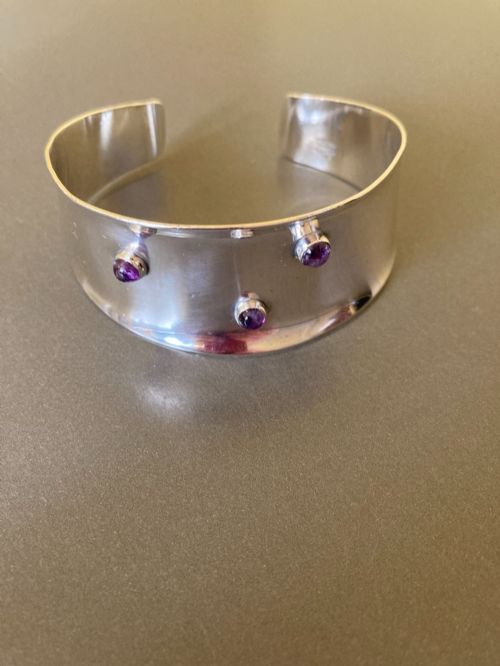
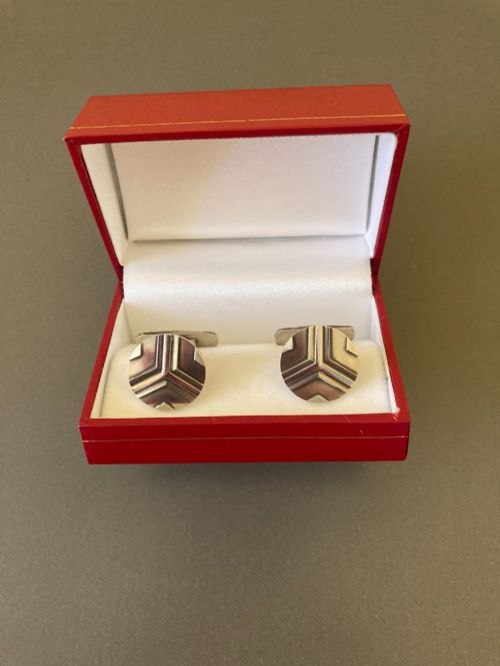
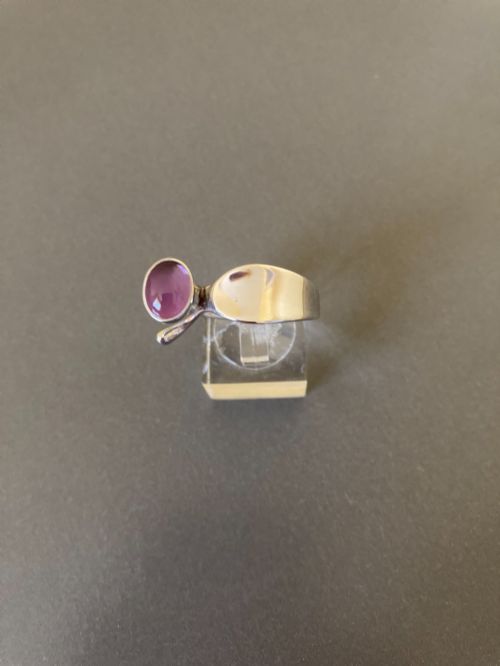
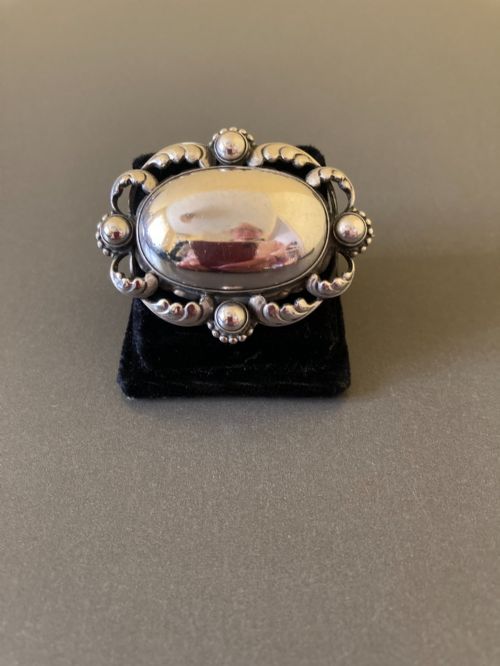
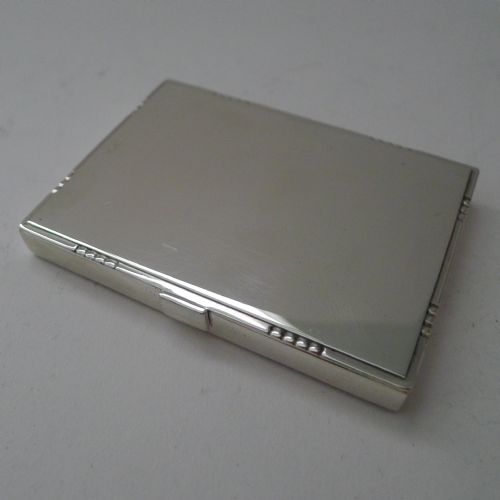
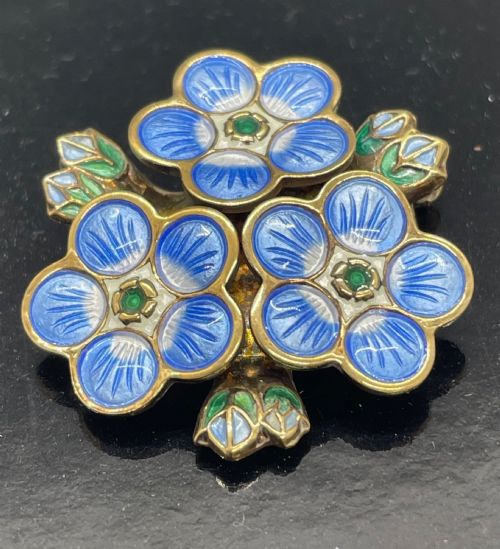
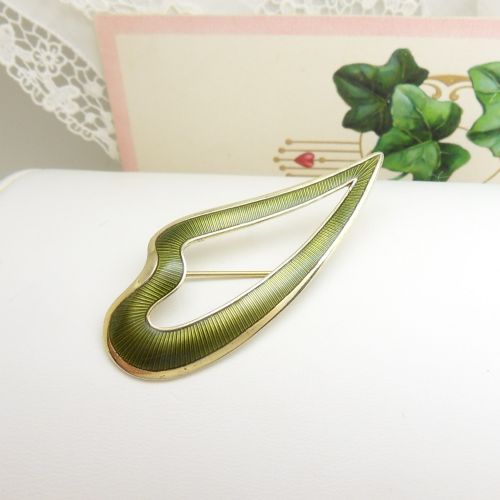
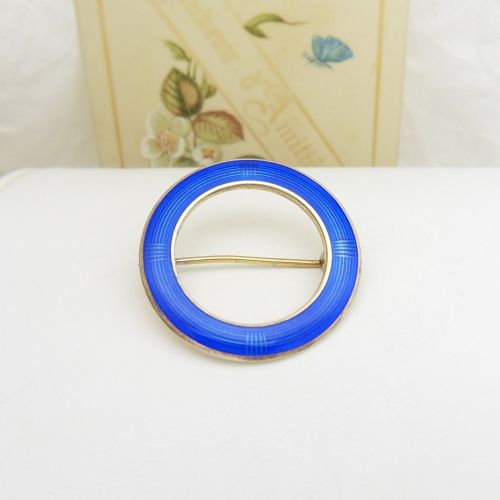
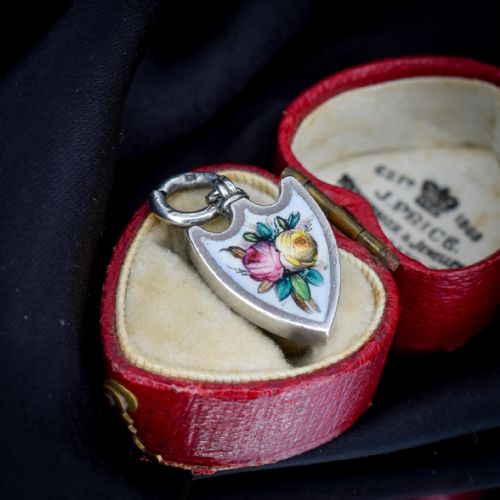
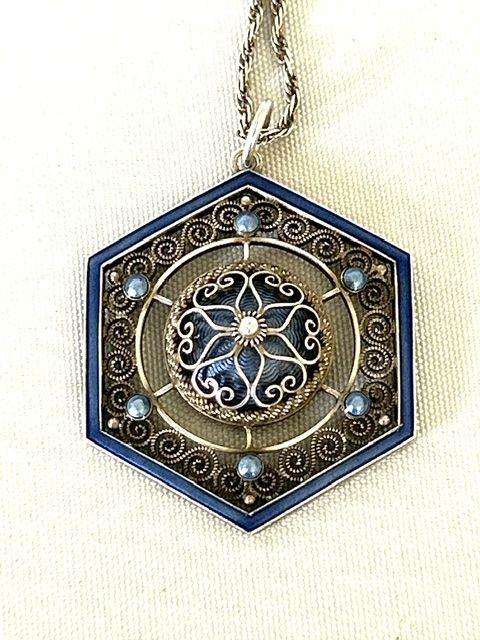
Vintage Scandinavian silver encompasses wearable items and domestic objects spanning from the early twentieth century through the modernist decades. Brooches, necklaces, pendants and earrings dominate the jewellery selection, often paired with bright enamel work.
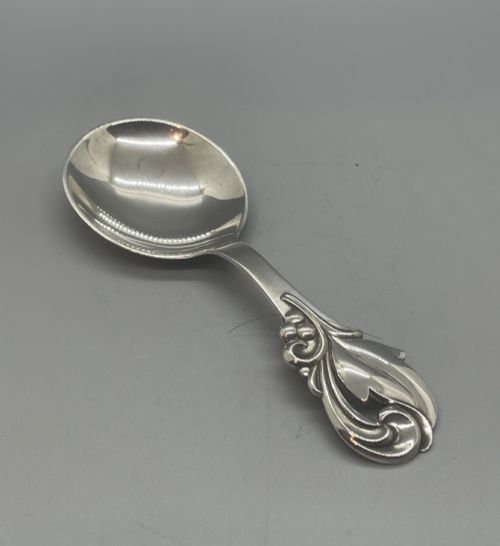
Domestic silver takes the form of caddy spoons, salt cellars, sauce ladles, sugar sifters and serving pieces. Danish silver leans towards sculptural, clean lines in holloware and flatware, while Norwegian pieces frequently showcase coloured guilloche enamel.
The objects appearing most often on this page date from the mid-century decades, reflecting the strong output of Scandinavian designers during that period. Earlier examples stretch back into Art Nouveau and Art Deco styles, showing the roots of these regional designs.
How they were made
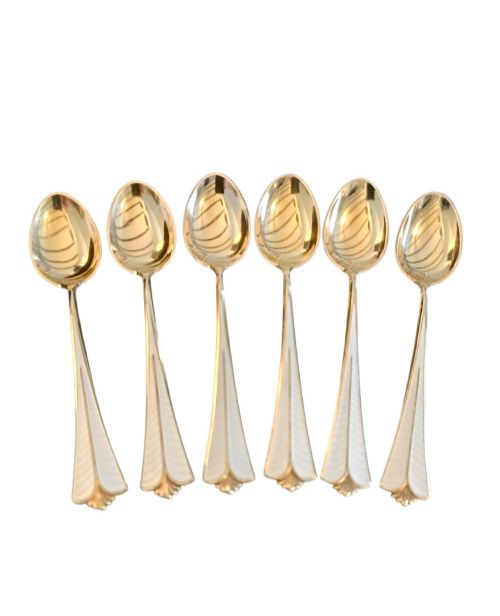
Silversmiths utilised sterling silver and solid silver for the structural body of boxes, spoons and jewellery mounts. Gilding techniques applied gold layers over silver to create silver gilt and gold vermeil finishes on smaller decorative items.
Vitreous enamel and guilloche enamel provide the vibrant colour found on many brooches and sewing thimbles. Artisans fused powdered glass to textured silver bases under high heat, producing translucent patterns that catch the light.
Vintage Scandinavian Silver Retail Price Guide 2026
Typical asking prices for vintage scandinavian silver among the pieces listed under this phrase on Sellingantiques today, from the lower quarter to the upper quarter. They describe what is for sale here now, not the wider market.
Materials recorded across the inventory include sterling silver, vitreous enamel, gold vermeil and stainless steel.
What varies in quality
The distinction between standard production and superior craftsmanship lies in the depth of the metalwork and the precision of the enamel. Finer pieces display crisp hand engraving and flawless enamel surfaces without clouding.
Design attribution carries weight, as work from established makers and named designers commands attention for resolved proportions. The heft of the silver and the integration of functional elements also separate everyday items from masterworks.
David Andersen·Aksel Holmsen·Marius Hammer·Georg Jensen·Hroar Prydz
The Vintage Scandinavian Silver Glossary
- Guilloche enamel
- A decorative technique where a metal surface is mechanically engraved with intricate geometric patterns beneath a translucent enamel layer. This allows light to reflect through the coloured glass.
- Silver gilt
- Sterling silver that has been coated with a thin layer of gold. It provides the warm tone of gold while maintaining a silver foundation.
- Caddy spoon
- A short-handled spoon specifically designed for measuring loose tea leaves from a caddy. These often feature decorative bowls and handles typical of period silversmithing.
- Skonvirke
- The Danish and Scandinavian variant of Art Nouveau. It emphasises organic motifs and traditional craft techniques.
- Holloware
- Tableware such as bowls, boxes and jugs formed from sheet metal rather than cast en bloc. These pieces demonstrate the skill of the silversmith in raising metal into three dimensions.
Vintage Scandinavian Silver: Frequently Asked Questions
How do I date vintage Scandinavian silver?
Dating relies on maker marks, town stamps and standard national assay office hallmarks stamped directly onto the metal. Style markers also help place a piece, moving from early twentieth-century Art Nouveau lines to mid-century modernism.
Matching the design characteristics with known production periods narrows down the decade of manufacture. Examination of the clasp types on brooches provides further clues.
How should I clean enameled silver jewellery?
Cleaning requires warm soapy water and a soft cloth, avoiding harsh chemical dips that strip the enamel or damage the silver surface. Gentle drying prevents moisture retention around settings.
Ultrasonic cleaners are unsuitable for antique enamel because the vibrations can crack the glass paste. Store pieces separately to prevent scratching.
What is the difference between Danish and Norwegian silver?
Danish silver design often focuses on sculptural forms, smooth surfaces and functional minimalism, particularly associated with mid-century modernism. Georg Jensen pieces exemplify this architectural approach to holloware and jewellery.
Norwegian silver production leans heavily towards detailed enamel work on small items like brooches, spoons and thimbles. Guilloche patterns and butterfly motifs are characteristic of this regional output.
Are these pieces made of solid silver?
Most items utilise sterling silver or solid silver standards, denoted by specific numerical hallmarks such as standard fineness indicators. Gold gilt and silver gilt variants retain a solid silver core beneath the surface plating.
Items described simply as silver follow regional assay standards for precious metal content. Hallmarks on the reverse or base confirm the metal purity.