




Vintage Satsuma Pottery
Vintage satsuma pottery pieces are finely crackle-glazed ceramic vessels from Japan, offering collectors intricate hand-painted scenes enriched with gold leaf.
Vintage Satsuma Pottery
Vintage satsuma pottery encompasses a rich variety of earthenware vessels, including vases, bowls, tea caddies, and table lamps originating from Japan. Buyers searching for vintage satsuma pottery frequently encounter pieces created across the Meiji, Taisho, and Showa periods, stretching from the late nineteenth century into the twentieth century.
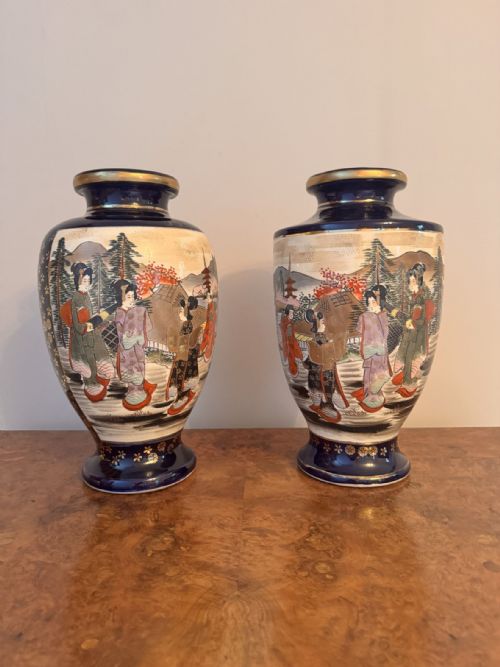
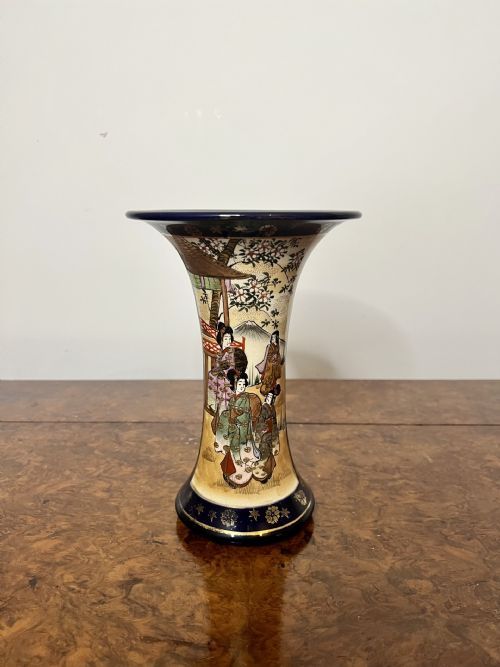
The selections span small miniature vases to monumental bowls and pairs of large decorative vases. Makers and workshops from Kyoto and Tokyo produced these wares for both domestic use and export, often decorating them with elaborate figurative processions, landscapes, and samurai battles.
How they were made
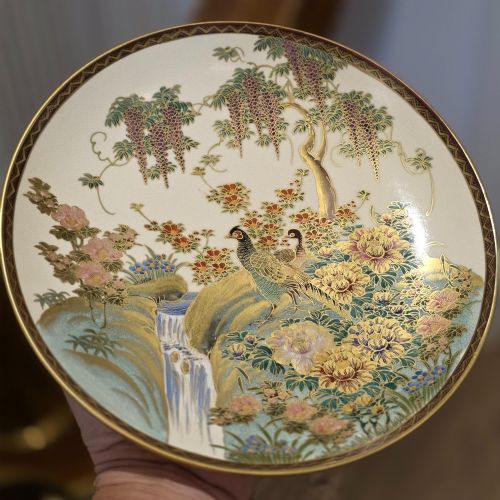
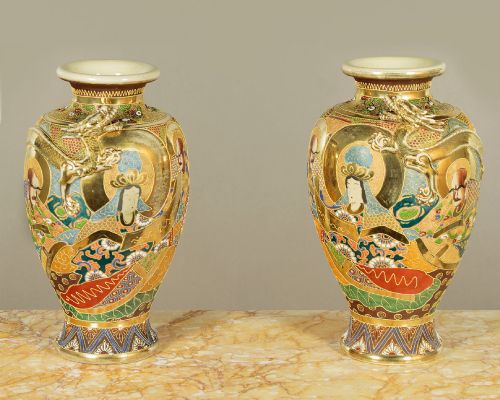
Potters shaped these objects using earthenware and ceramic bodies, applying a characteristic ivory-coloured glaze that developed a fine network of crackles during firing. Artisans then painted detailed scenes by hand utilising enamel colours alongside lavish applications of gold leaf and gilt work.
Many items incorporate specific signatures or marks denoting workshops such as Kinkozan or Kyoto centres like Taizan. Certain surviving pieces also integrate structural alterations for later table lamps utilising wood, fabric, and brass elements.
Vintage Satsuma Pottery Retail Price Guide 2026
Typical asking prices for vintage satsuma pottery among the pieces listed under this phrase on Sellingantiques today, from the lower quarter to the upper quarter. They describe what is for sale here now, not the wider market.
Even tiny miniature vases manage to fit entire samurai battles or courtly processions onto surfaces smaller than an apple.
What varies in quality
Quality in these ceramics rests upon the fineness of the brushwork and the precision of the enamel and gilt detailing across the surface. Superior examples display dense, meticulously rendered figural processions, landscapes, or samurai scenes rather than hasty, repetitive decoration.
The prestige of the workshop or artist signature further distinguishes finer pieces, with renowned Kyoto houses such as Kinkozan achieving exceptional depth and scale. The integrity of the crackle glaze and the preservation of the delicate gold leaf also dictate the standing of an individual vessel.
Kinkozan·Koshida·Chosei, Kyoto·Hakusan·Tokyo Taizan·Taniguchi·Hattori
The Vintage Satsuma Pottery Glossary
- Satsuma
- A type of Japanese earthenware traditionally characterised by a cream-coloured, crackle-glazed body painted with enamels and gilt. It originated in Satsuma Province before production expanded to major centres like Kyoto and Tokyo.
- Meiji Period
- The era of Japanese history lasting from 1868 to 1912, corresponding with the reign of Emperor Meiji. Pieces from this time frequently exhibit elaborate decorative motifs and high artistic ambition.
- Gilt
- Gold applied to the surface of the pottery to highlight patterns, borders, and figural robes. This material catches the light and adds richness to the painted compositions.
- Mon
- A Japanese badge or crest used to identify families or clans. The Shimazu mon frequently appears on notable Satsuma wares.
- Earthenware
- Porous ceramic pottery fired at lower temperatures than porcelain. It forms the standard body for traditional Satsuma wares.
Vintage Satsuma Pottery: Frequently Asked Questions
What is satsuma pottery made of?
Satsuma wares consist of an earthenware ceramic body covered in an ivory or cream-coloured glaze. This glaze is intentionally formulated to develop a fine network of tiny crackles across the surface.
Artists then decorate this crackled base using coloured enamels and abundant gold leaf. Some pieces found today have also been adapted into table lamps incorporating brass, wood, and fabric components.
How do I identify Meiji period satsuma?
Meiji period pieces date between 1868 and 1912, often displaying dense hand-painted scenes of figural processions, wisteria gardens, or samurai battles. Many carry artist signatures or workshop marks from celebrated centres like Kyoto.
Examining the crispness of the enamel work and the presence of fine gilt highlights helps distinguish these earlier export pieces from later twentieth-century productions.
Were these pieces meant for export?
A significant proportion of Satsuma pottery produced during the late nineteenth and early twentieth centuries was created specifically for Western export markets. Makers tailored the scale and subject matter to satisfy European and American taste for elaborate Japanese aesthetics.
This international demand led to the establishment of prominent workshops producing everything from miniature cabinet vases to monumental exhibition bowls.
How should I clean my satsuma vase?
Care for these delicate earthenware vessels by dusting them gently with a soft, dry cloth. Avoid using water, liquid cleaners, or abrasive materials, as moisture and friction can damage the delicate enamels and gold leaf.
If the piece has been adapted into a table lamp, take extra care around any electrical fittings and fabric shades during maintenance.