




Vintage Salt Box
These vintage salt box selections offer traditional kitchen storage and silver condiment vessels spanning several centuries of domestic craft.
Vintage Salt Box
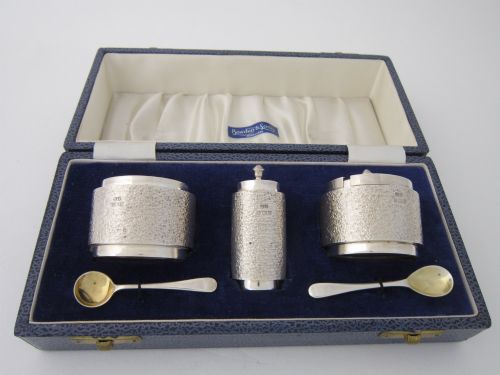
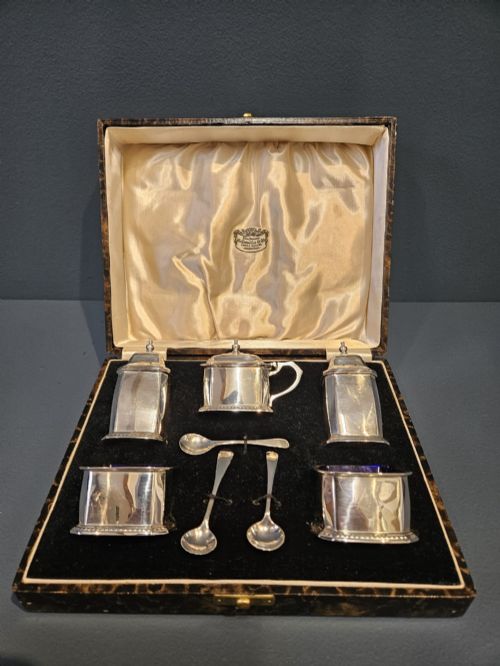
A vintage salt box encompasses both wooden domestic containers and precious metal dining vessels found across multiple historical eras. Buyers hunting for a vintage salt box will encounter larger wall-hanging wooden receptacles alongside smaller silver condiment sets and boxes.
The objects recorded range from 17th century pieces and Georgian mahogany items through to Victorian kitchenware and mid-century designs. Wooden iterations utilise pine, oak, and mahogany, while dining table examples bring sterling silver and silver-gilt into the category.
Materials and construction
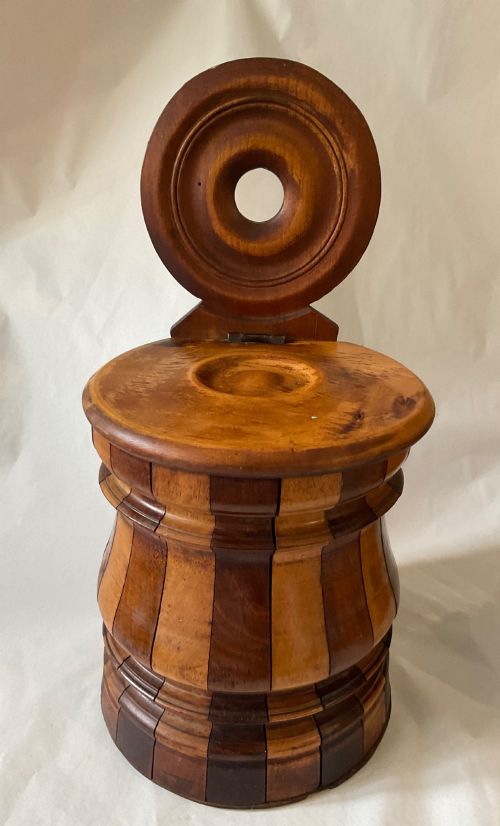
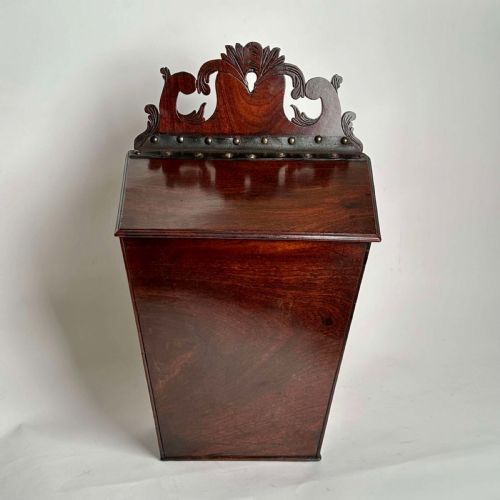
Wooden examples rely on traditional joinery using pine, oak, and mahogany, often featuring wall-hanging backs and hinged lids for daily kitchen utility. Some larger wooden pieces also show painted surface finishes.
Vintage Salt Box Retail Price Guide 2026
Typical asking prices for vintage salt box among the pieces listed under this phrase on Sellingantiques today, from the lower quarter to the upper quarter. They describe what is for sale here now, not the wider market.
The listings combine utilitarian pine and oak kitchen storage with refined Victorian and Georgian sterling silver condiment items.
Judging quality and craftsmanship
Quality rests in the integrity of the original construction, whether in the timber joinery of a kitchen box or the crispness of a silver maker's mark. Pieces retain greater appeal when their original mounts, hinges, and surfaces remain intact.
The distinction between utilitarian kitchen storage and refined dining silver changes the nature of the craftsmanship, moving from robust country carpentry to precise metalwork and gilding.
Samuel Pemberton·Wilmot Manufacturing Co·John Thwaites·Goldsmith & Silversmith's
The Vintage Salt Box Glossary
- Condiment Set
- A matching group of small vessels designed to hold table seasonings like salt, pepper, and mustard. These sets often include bespoke spoons and fitted presentation cases.
- Vinaigrette
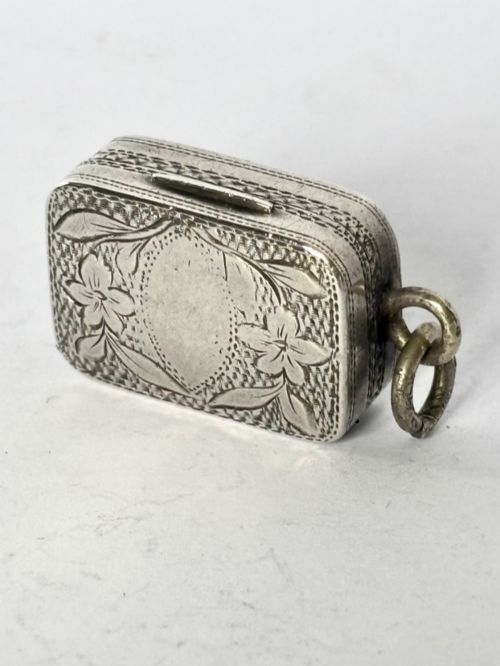
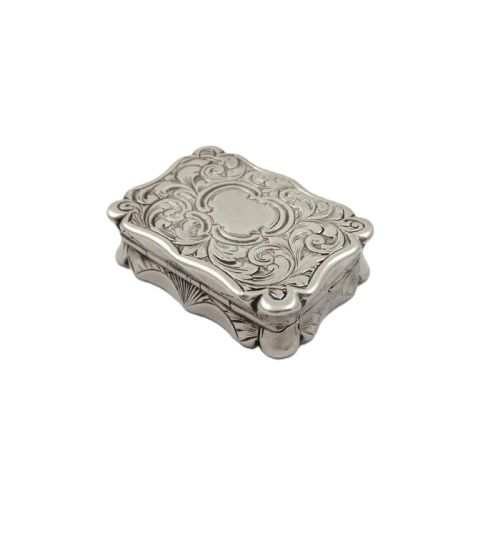
- A small ornamental box featuring an internal pierced grille, designed to hold a sponge soaked in aromatic vinegar. These portable silver items date predominantly to the Georgian and Victorian periods.
- Cruet
- A small glass or metal bottle for holding vinegar or oil at the dining table, frequently housed within a silver frame. The term also applies more broadly to matching sets of table condiment containers.
- Mahogany
- A durable tropical hardwood utilised extensively in high-quality furniture and boxes from the Georgian era onward. Its rich grain and stability made it a preferred choice for fine storage containers.
Vintage Salt Box: Frequently Asked Questions
How were wooden salt boxes used in the home?
Traditional wooden containers were mounted on kitchen walls near the hearth to keep coarse salt dry and within easy reach of the cook. The hinged lids protected the contents from kitchen moisture and dust.
Over decades of daily use, these boxes absorbed natural oils from hands and woodsmoke, developing deep patinas that collectors prize today.
What is the difference between a salt box and a condiment set?
A salt box is typically a larger, single-compartment wooden container designed for bulk storage in the kitchen. Condiment sets are smaller tabletop vessels created for individual seasonings during formal meals.
While salt boxes served a purely utilitarian function in the food preparation areas, silver condiment sets were displayed on the dining table as status items.
How do I identify a Georgian wooden box?
Georgian wooden pieces display hand-cut joinery, older fixings such as handmade screws or wrought iron hinges, and dense native timbers like mahogany or oak. The wood surfaces show age-related wear rather than modern machine finishes.
Examining the interior construction and underside often reveals the tool marks characteristic of eighteenth-century cabinetmaking.
Where should I place a wall-hanging box at home?
Wall-mounted storage pieces suit domestic spaces where their historical character can be appreciated without exposure to excessive dampness or direct heat. Kitchens, hallways, and studies provide suitable environments for display.
Securing them safely requires anchoring into wall studs rather than relying solely on plaster, given the solid weight of older timbers.