







Vintage Saddle Bag
A vintage saddle bag is a nomadic textile weaving brought from tribal life into the home as a cushion, rug or wall hanging.
Vintage Saddle Bag
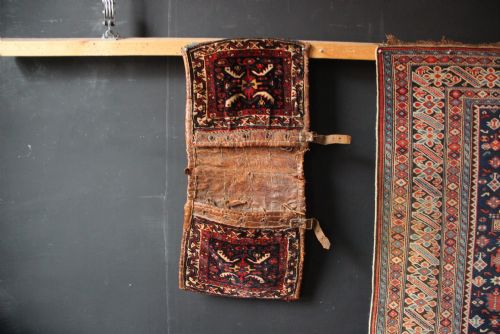
A vintage saddle bag originates from tribal weaving traditions across Persia, Anatolia and the Caucasus, spanning the nineteenth and early twentieth centuries. These functional pack pieces include complete double pouches, single bag faces, khorjin fragments and half bags.
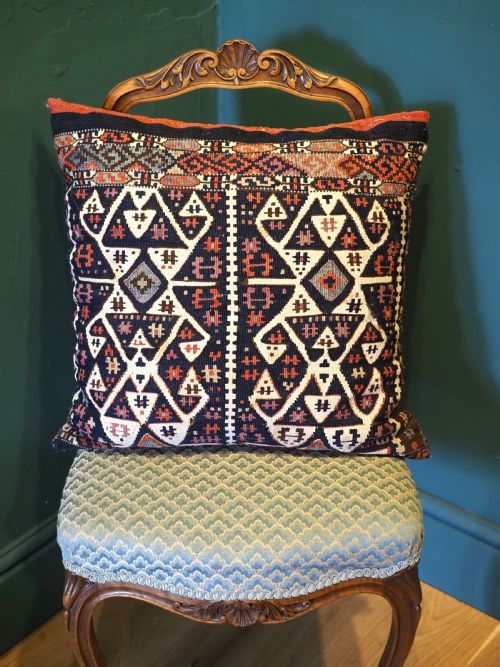
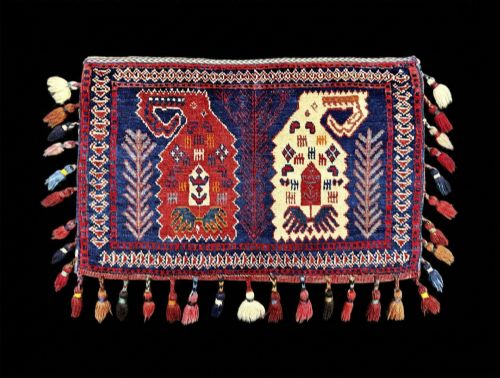
Buyers will most frequently encounter these items adapted into square cushions or preserved as flatweave kilim and sumac textile faces. They display traditional tribal designs such as guls, boteh motifs and geometric field patterns.
The materials reflect nomadic pastoral life, utilising hand-spun wool and natural dyes fashioned by groups including the Qashqai, Afshar, Luri, Shahsavan, Tekke Turkmen and Yuruk tribes.
How they were made
Weavers constructed these utilitarian objects using hand-spun wool for both the foundation warps and the dense pile or flatweave surfaces. Natural dyes provided the deep, enduring palette seen across these tribal weavings.
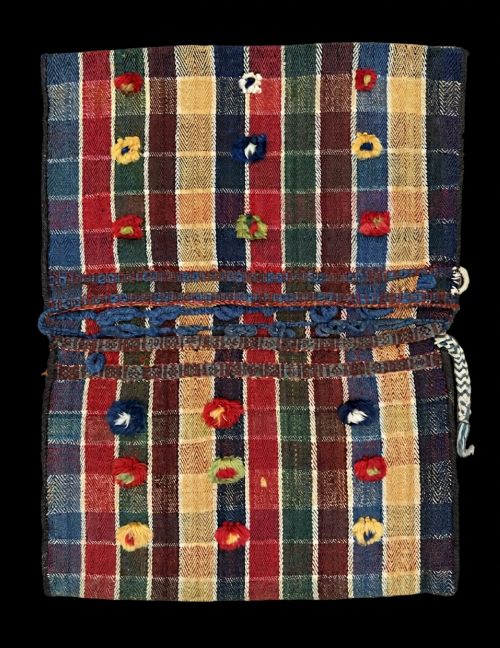
Techniques varied between pile weaving, flatweave kilim and sumac wrapping, often incorporating plain weave backs on surviving complete pouches.
Vintage Saddle Bag Retail Price Guide 2026
Typical asking prices for vintage saddle bag among the pieces listed under this phrase on Sellingantiques today, from the lower quarter to the upper quarter. They describe what is for sale here now, not the wider market.
Nomads packed these bags with everything from salt to bedding before they found new life as cushions.
What varies in quality
Quality rests upon the handled handle of the wool and the depth achieved through natural dyeing methods. Lustrous, luminous wool distinguishes the finer tribal bag faces from standard examples.
The precision and complexity of tribal motifs, such as intricate gul designs or large boteh patterns, mark out superior regional weaving. Integrity of structure, whether in a complete khorjin pair or a converted cushion, governs the piece's standing.
The Vintage Saddle Bag Glossary
- Khorjin
- The traditional Persian term for a double saddle bag used by nomadic tribes for transport and storage.
- Kilim
- A flatweave textile produced without a pile, common in Anatolian and Persian tribal bag faces.
- Sumac
- A supplementary weft-wrap technique creating a textured, durable surface on tribal weavings.
- Gul
- A medallion motif repeated across Turkmen and tribal carpet designs.
- Boteh
- A stylised floral or almond-shaped motif frequently found in Afshar and Persian tribal pieces.
Vintage Saddle Bag: Frequently Asked Questions
What is a vintage saddle bag used for today?
These nomadic weavings function primarily as decorative cushions, small floor rugs or mounted wall textiles in contemporary interiors.
Their robust construction allows them to serve as practical soft furnishings while retaining their historical character.
How do I care for a tribal saddle bag?
Gentle surface cleaning and occasional light vacuuming without a beater bar help protect the delicate wool fibres.
Keep these textiles away from direct sunlight to preserve the integrity of the natural dyes.
How are different tribal origins told apart?
Distinctive design repertoires, colour palettes and weaving structures separate groups such as the Qashqai, Afshar and Turkmen.
Geographic regions dictate specific structural traits, from Anatolian kilim techniques to Persian sumac work.
What is the difference between a bag face and a complete khorjin?
A complete khorjin comprises both sides of the original double pouch linked by a central web, often retaining plain weave backs.
A bag face represents just the decorative front panel, frequently removed and converted into a cushion or rug.