



Vintage Rustic Wood Bowl
A vintage rustic wood bowl brings tactile warmth to a room, offering centuries of utilitarian form shaped by hand for daily use.
Vintage Rustic Wood Bowl
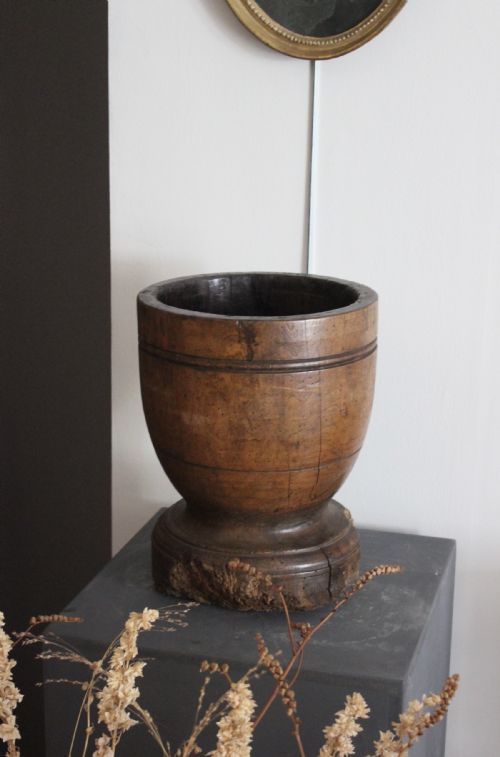
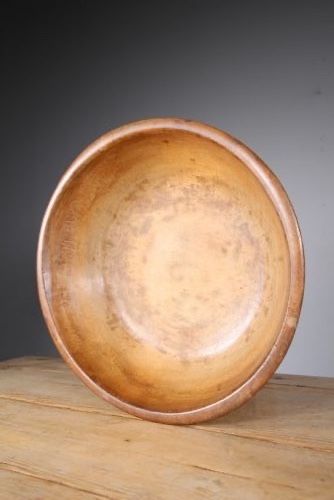
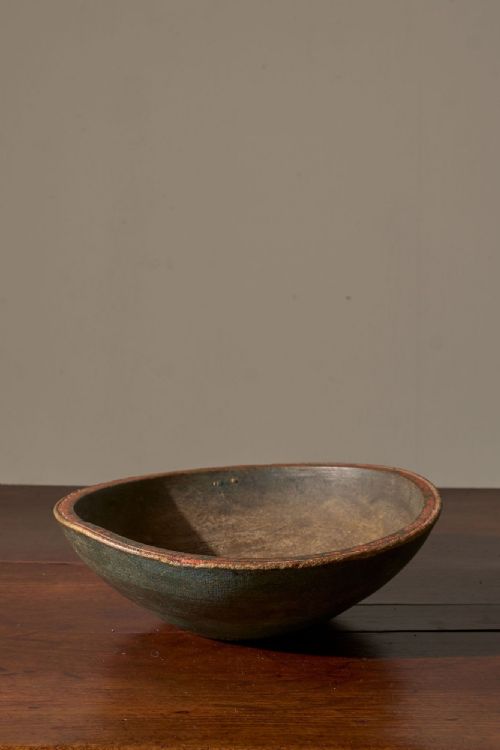
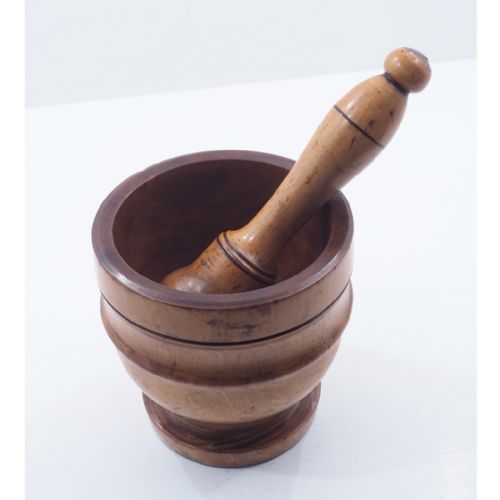
When you search for a vintage rustic wood bowl, you encounter domestic vessels created for agricultural and kitchen tasks across the eighteenth, nineteenth, and early twentieth centuries. These objects range from deep dairy bowls and kneading troughs to turned serving platters and apothecary mortars.
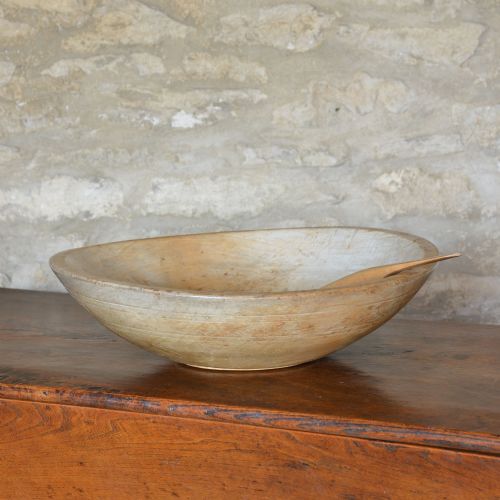
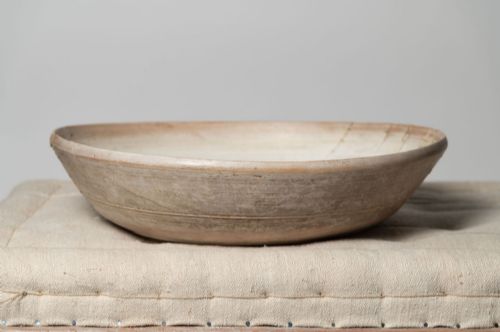
The examples most commonly met on this page include nineteenth-century sycamore dairy bowls from English and Scandinavian makers, alongside French and Swedish farmhouse pieces shaped for kneading dough. Their original functions demanded solid construction and simple, honest lines.
Originating from rural workshops across Britain, Scandinavia, France, and beyond, these wooden items reflect regional timber choices and domestic traditions. Each piece carries the distinct marks of hand-carving or lathe-turning intended purely for household utility.
How they were made
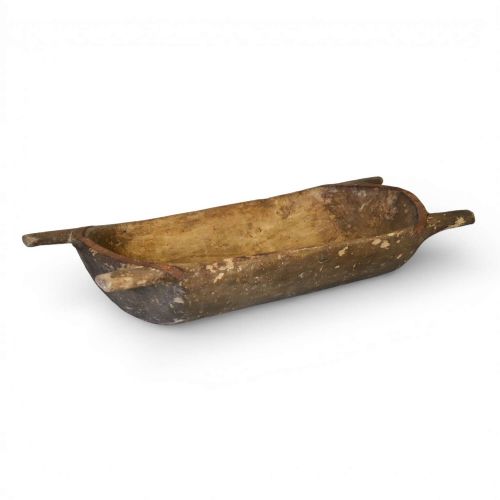
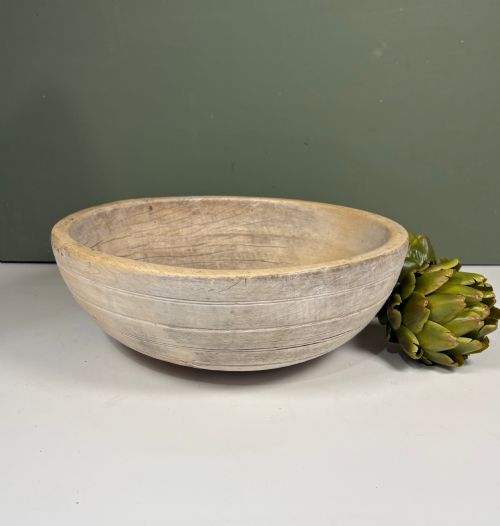
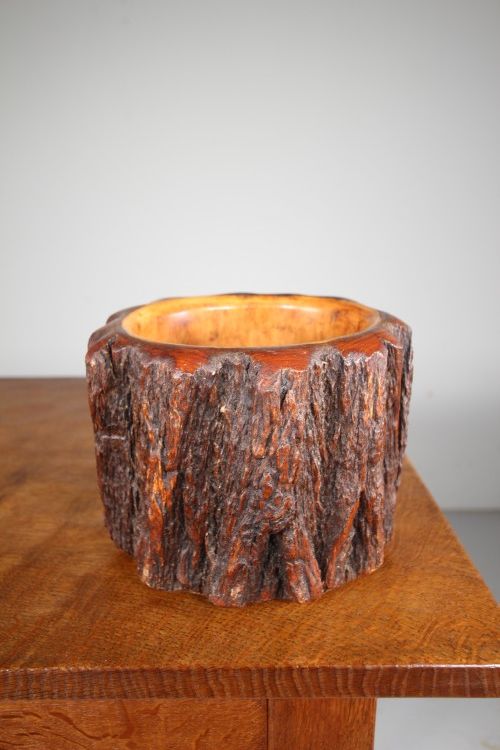
Turned items rely on the lathe to shape dense hardwoods such as sycamore, ash, mahogany, and olive wood from green timber, allowing the material to dry into organic, subtle distortions. Craftsmen hollowed out large kneading bowls and mortars by hand using gouges and adzes directly from solid logs.
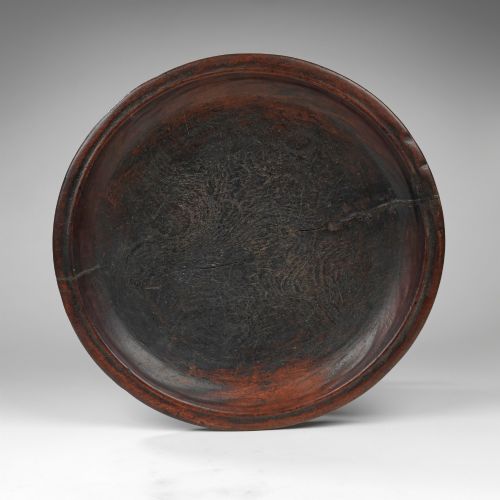
Surface preparation relied on simple scraping and smoothing rather than heavy varnishing, leaving the natural grain visible. Over decades of scrubbing and handling, the wood absorbed oils and developed a deep, tactile patina unique to each vessel.
Listings feature timbers including sycamore, ash, mahogany, pine, and olive wood across the Georgian and 19th-century periods.
What varies in quality
Quality rests in the integrity of the timber selection and the balance of the initial carving or turning. Vessels cut from dense, tight-grained hardwoods like sycamore or ash maintain their structural form better than softer woods subjected to centuries of moisture and wear.
The depth of the accumulated patina and the preservation of tool marks distinguish exceptional examples from plain utility items. Retaining original surfaces without modern intervention marks the difference between a piece preserved for its character and one stripped of its history.
The Vintage Rustic Wood Bowl Glossary
- Treen
- Small handmade wooden items for domestic use. This category encompasses everything from bowls and platters to small household containers.
- Dairy bowl
- A wide, shallow vessel utilised for setting milk to rise so that cream could be skimmed off the surface. These are frequently turned from sycamore.
- Dough bowl
- A large trough used for mixing and kneading bread dough in farmhouses. They are often carved from a single log.
- Patina
- The surface sheen and colour developed over decades of handling, polishing, and natural ageing. It indicates genuine age and frequent use.
- Mortar and pestle
- A heavy bowl paired with a club-shaped tool used for grinding and crushing substances. Wooden variants served kitchen and apothecary needs.
Vintage Rustic Wood Bowl: Frequently Asked Questions
How were dairy bowls used?
Dairy bowls held fresh milk in dairies to allow the cream to rise to the top for skimming.
Their wide, open format maximised the surface area for this separation process before churning.
Can I use these bowls for food?
Many historic wooden bowls tolerate dry foods like fruit or bread, but historical finishes and splits require caution.
Gentle cleaning with mild soap and immediate drying helps preserve the timber without stripping the original surface oils.
What is treen?
Treen refers to small, functional wooden objects made for domestic and rural life before mass production.
Items range from tableware and containers to kitchen implements shaped by turners and woodworkers.
How do I care for antique wood?
Keep wooden vessels away from direct heat sources, radiators, and rapid humidity changes to prevent splitting.
Applying occasional natural wax helps nourish dry timber without creating an artificial gloss.