
Vintage Rustic Kitchen Seating
Vintage rustic kitchen seating brings hard-wearing character to everyday rooms through sturdy elm, oak, and pine forms.
Vintage Rustic Kitchen Seating
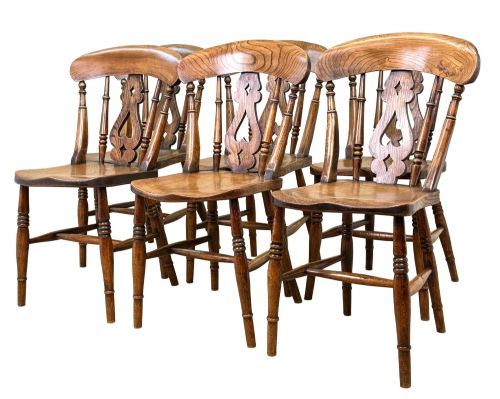
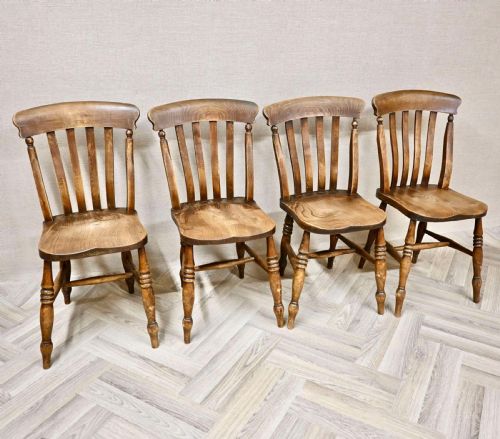
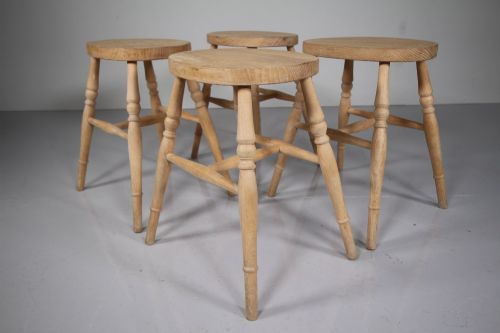
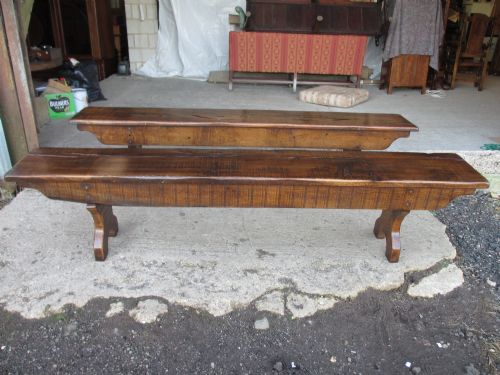
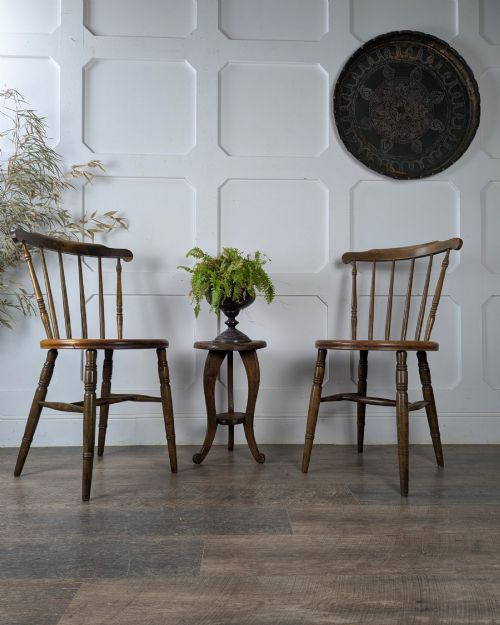
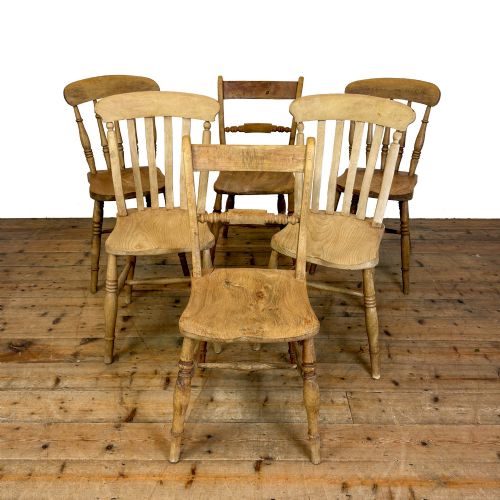
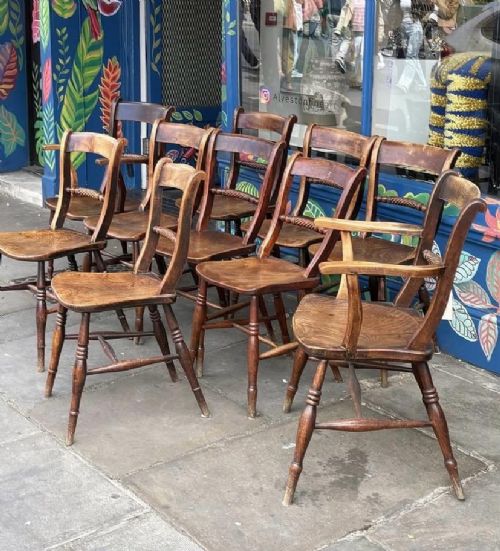
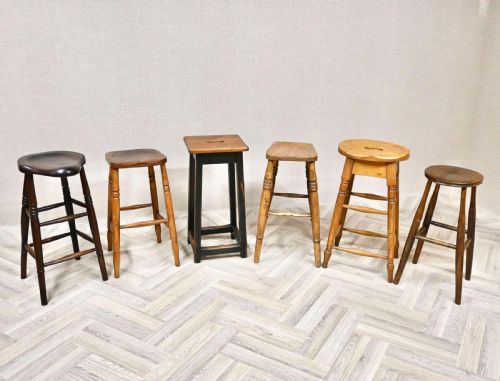
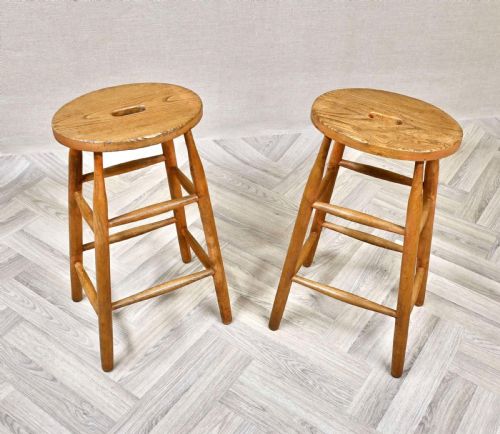
Vintage rustic kitchen seating comprises functional wooden furniture designed for daily domestic use across the nineteenth and early twentieth centuries. Pieces found here range from individual dining chairs and matching sets to long benches, bar stools, and refectory tables.
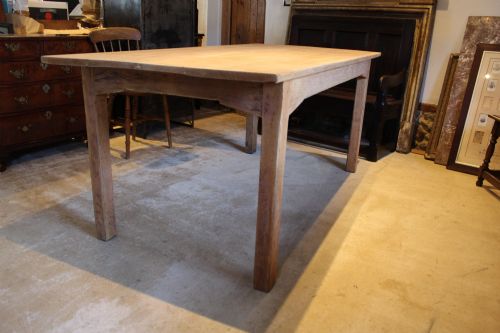
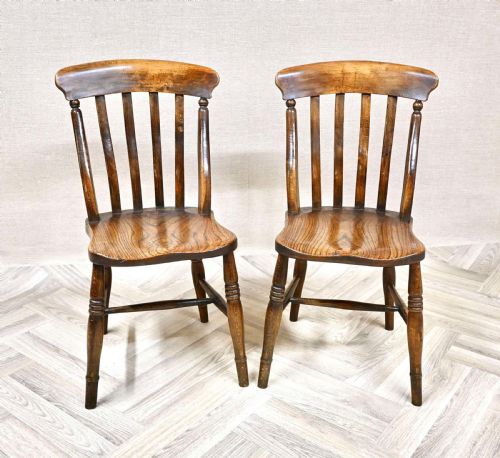
The most common items met on this page are Windsor chairs and ladderback chairs, alongside sturdy pine benches and oak dining tables. These originate from English country, Victorian, Edwardian, and French provincial traditions.
Buyers seek these forms to anchor a kitchen or dining space with genuine age and honest construction. The selection balances large sets suitable for dining with single stools and benches for flexible placement.
How they were made
Craftsmen built these pieces using native timbers such as elm for solid seats, beech and ash for turned spindles, and oak or pine for structural frames and tables. This combination of woods provided the necessary flexibility in bent parts and rigidity in legs.
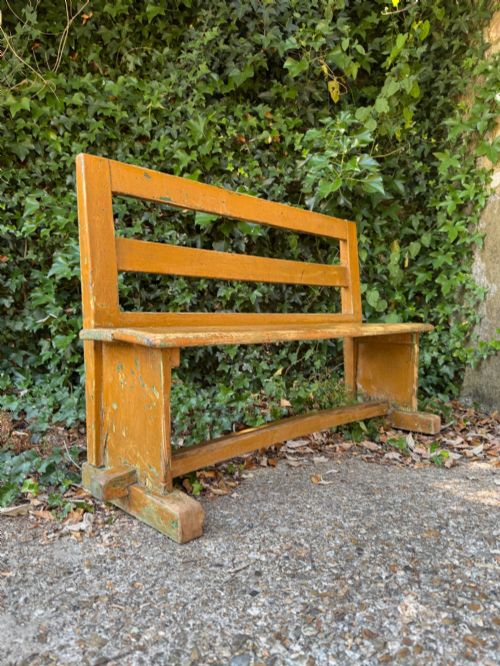
Joinery relied on traditional methods including pegged mortise and tenon joints, steam-bending for hoops and backs, and wedge-secured legs driven straight through solid plank seats. Metal rivets appear on later industrial bar stools, while painted finishes survive on select pine and Hungarian benches.
Listings span periods from the 1870s through the 1930s, using elm, beech, oak, pine, ash, and rush.
What varies in quality
Quality in these pieces rests upon the integrity of the original construction and the survival of surface character through decades of domestic service. Tighter joint tolerances and well-balanced frames distinguish superior examples from those that have loosened through heavy use.
The depth of the timber grain, the pleasing patina of unpainted wood, and the matching consistency within harlequin or uniform sets dictate desirability. Untouched surfaces carrying natural wear outrank stripped or overly restored timbers.
Dinco
The Vintage Rustic Kitchen Seating Glossary
- Windsor chair
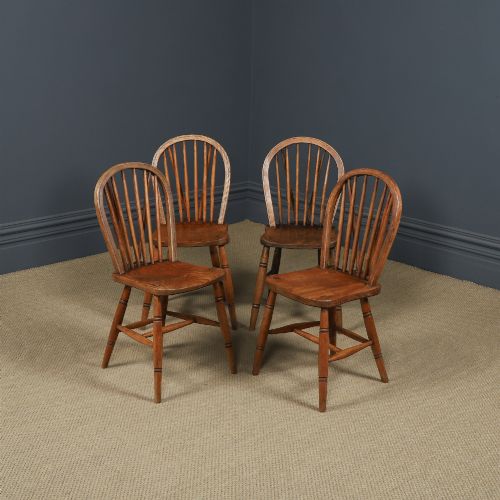
- A chair built with a solid wooden seat into which the legs and back sticks are tenoned directly. The top rail is often steam-bent into a bow or hoop shape.
- Harlequin set
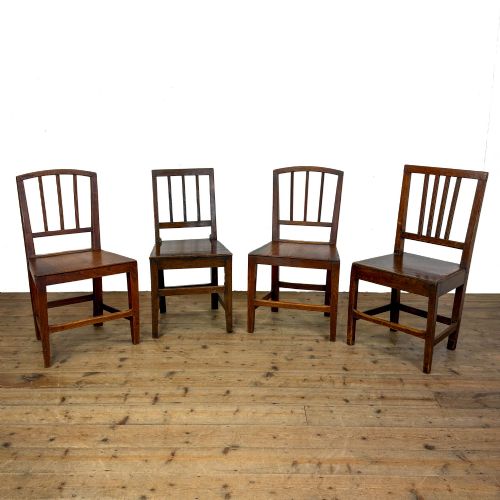
- A collection of dining chairs that match in general style, period, or maker but differ slightly in minor details such as turning or slat design. Such sets were often gathered over time rather than bought new together.
- Refectory table
- A long, narrow dining table originally designed for communal eating in monasteries and later adopted in farmhouse kitchens. These feature sturdy legs connected by low stretchers for extra stability.
- Rush seat
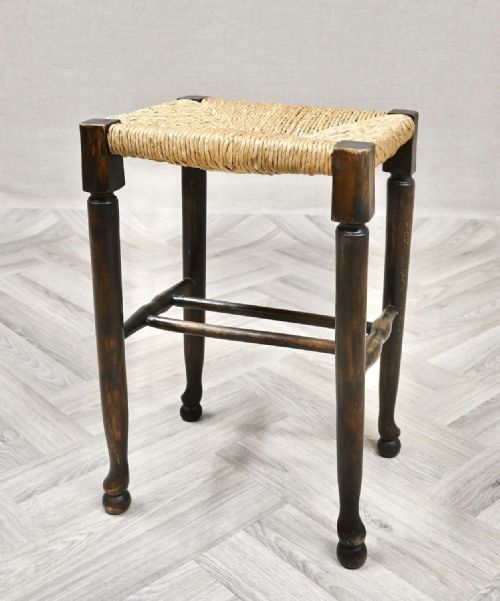
- A traditional woven seat made from dried marsh rushes twisted around a wooden frame. This technique yields a resilient, textured surface found on various country stools and chairs.
- Ladderback
- A chair style featuring horizontal slats or bars between the rear upright posts, resembling the rungs of a ladder. These often use ash or oak frames with rush or wooden seats.
Vintage Rustic Kitchen Seating: Frequently Asked Questions
What is a wheelback chair?
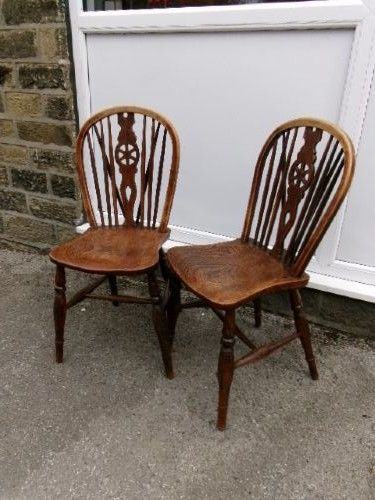
A wheelback chair is a type of Windsor chair featuring a pierced wooden disc shaped like a cartwheel centred in the back splat. This decorative motif became popular in nineteenth-century country and provincial seating.
These chairs combine the sturdy underframe and solid elm seat of traditional Windsors with this distinctive upper back design. They appear frequently in farmhouse dining sets.
How do I care for antique wooden benches?
Antique wooden benches require simple maintenance to preserve their dry or waxed finishes. Keep them away from direct heat sources and sudden humidity changes to prevent timber splitting.
Apply a natural beeswax periodically to nourish unsealed pine, oak, or elm surfaces. Avoid modern silicone sprays that alter the historic patina.
What is a double stretcher?
A double stretcher consists of two parallel wooden bars connecting the legs of a chair or stool near the base. This addition significantly increases the lateral stability of the seating.
Double stretchers are commonly found on nineteenth-century kitchen and fiddle back chairs intended for heavy daily use. They also served as a comfortable footrest.
Are harlequin sets matching?
Harlequin sets are intentionally assembled groups of chairs that share a common period, material, or general silhouette rather than identical factory production. They offer a cohesive look while displaying subtle variations in turning or back design.
Country dining arrangements often evolved this way as families replaced broken chairs over generations. Today, collectors value them for the collected charm they bring to a table.