

Vintage Rustic Dining Chair
A vintage rustic dining chair brings vernacular warmth to a room, offering sturdy country character rooted in centuries of domestic use.
Vintage Rustic Dining Chair
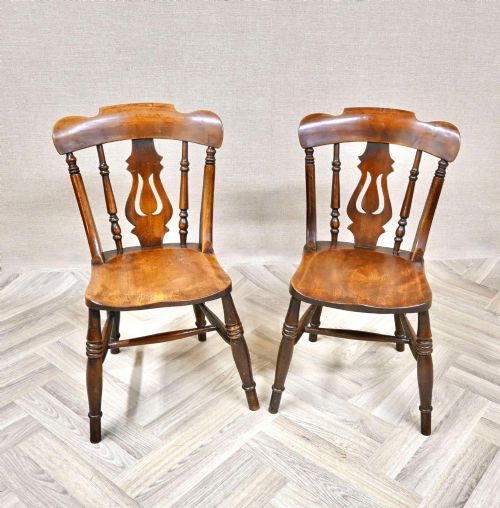
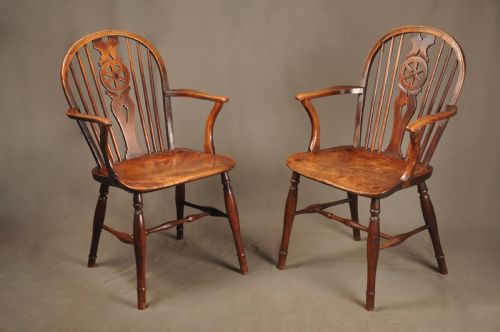
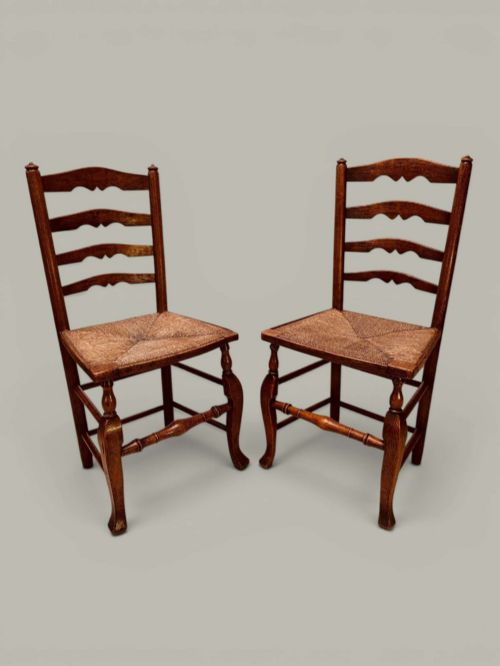
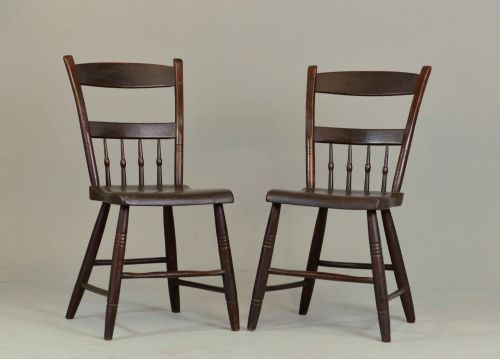
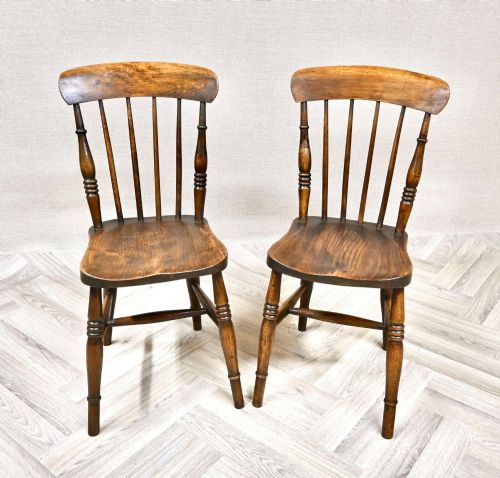
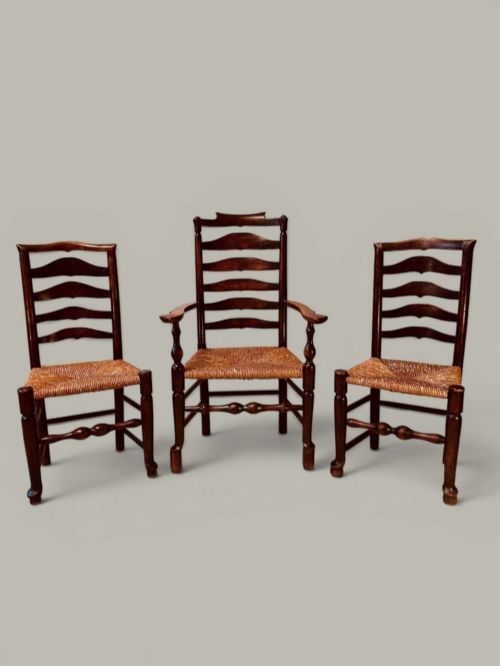
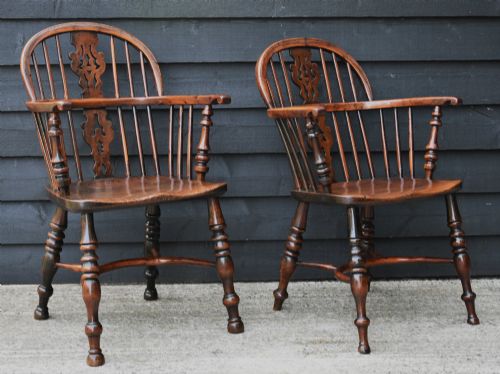
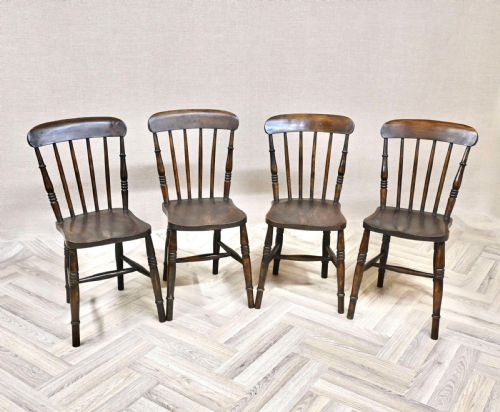
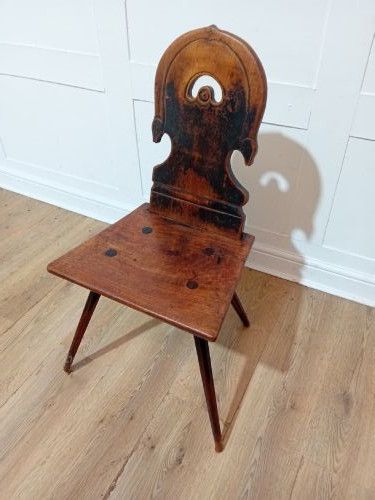
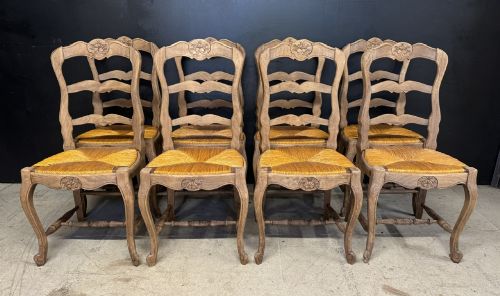
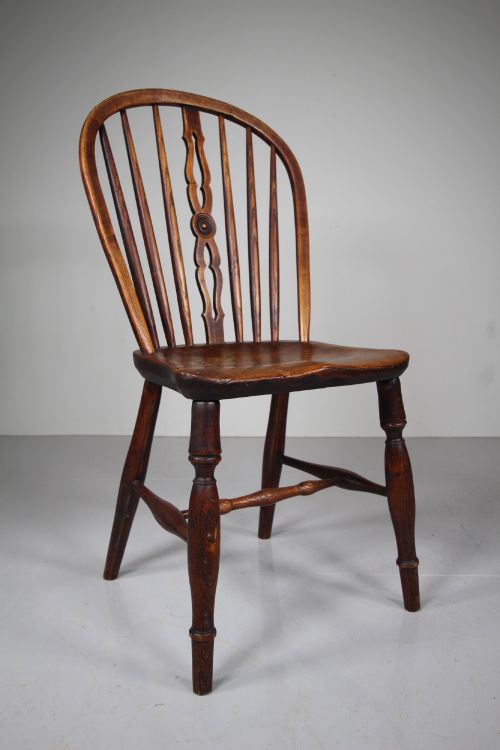
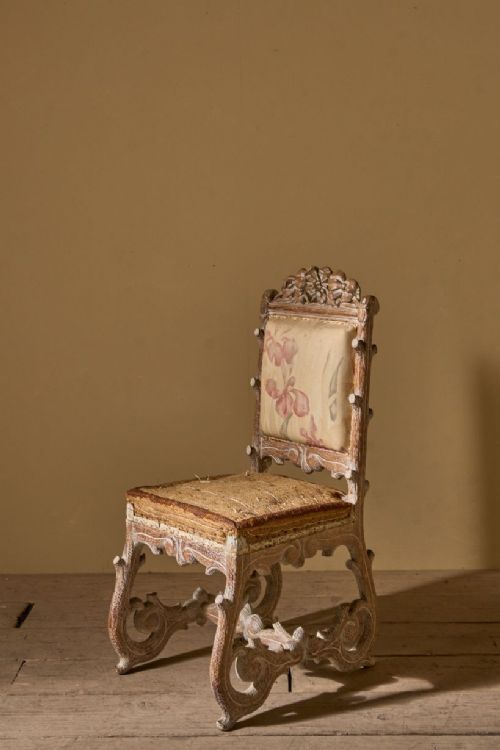
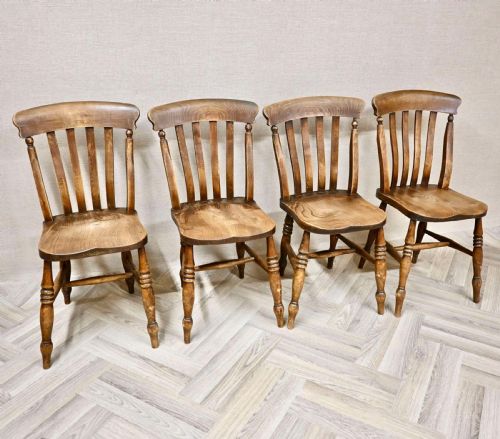
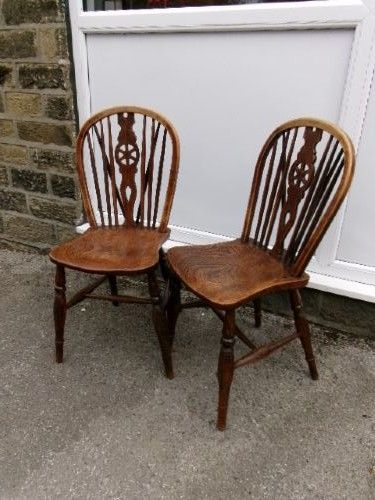
When searching for a vintage rustic dining chair, buyers encounter robust vernacular seating designed for hard daily use in farmhouses, cottages and kitchens rather than formal parlours. The most common form on this page is the Windsor chair, alongside ladder-back and stick-back variants originating from the eighteenth, nineteenth and early twentieth centuries.
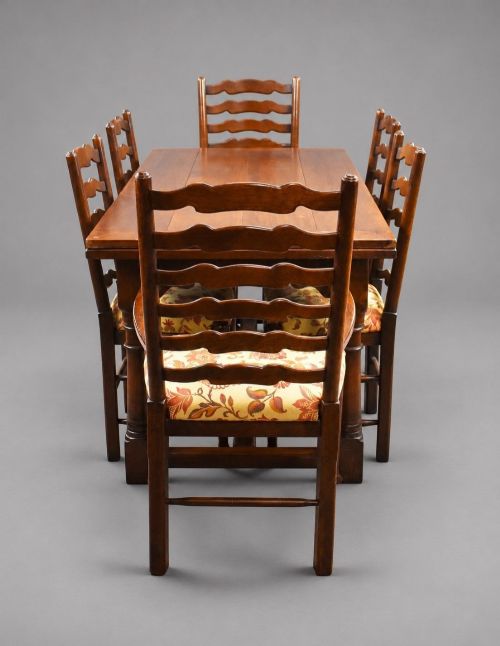
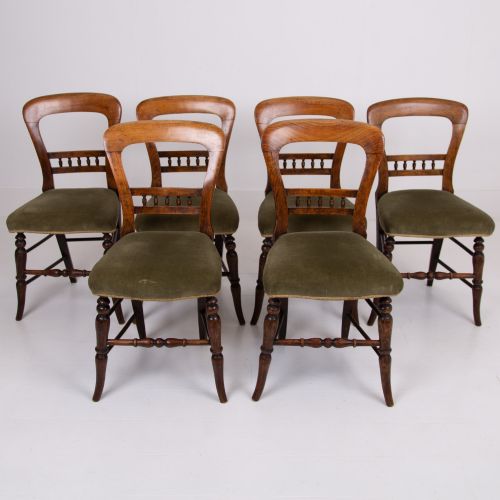
Makers shaped these utilitarian forms to serve domestic life, producing single chairs, pairs and matched or harlequin sets numbering up to twelve. Materials reflect regional availability, resulting in country seating built to endure generations of sitting around a farmhouse table.
How they were made
Local carpenters and regional chair bodgers utilised native timbers like elm, ash, beech and oak, pairing flexible woods for spindles and hoops with dense hardwoods for sturdy seats. Seats were frequently carved from a single solid block of elm, providing a comfortable sculpted recess while anchoring turned legs and slender back staves.
Joinery relied on traditional methods such as wedged through-tenons and pole-lathe turnings, supplemented by steam-bending for hoop-back and layback Windsor frames. Surface treatments often consisted of simple painted finishes, scrubbed pine or waxed hardwood that developed a deep patina over decades of use.
Vintage Rustic Dining Chair Retail Price Guide 2026
Typical asking prices for vintage rustic dining chair among the pieces listed under this phrase on Sellingantiques today, from the lower quarter to the upper quarter. They describe what is for sale here now, not the wider market.
Several armchairs retain ink stains and notch marks from nineteenth-century kitchen scribes who clearly used the armrest as an impromptu writing desk.
What varies in quality
Quality rests upon the integrity of the timber selection and the purity of the regional form, where thick elm seat saddles and well-proportioned spindle turnings elevate a piece above utilitarian factory alternatives. The balance of the chair, the tightness of the pegged joints and the harmonious matching within larger sets dictate the overall standard of survival.
The depth of the accumulated patination and the preservation of original turned details without excessive sanding distinguish finer examples. Chairs retaining their original painted surfaces or deep wax finishes demonstrate superior historical preservation compared to heavily restored specimens.
The Vintage Rustic Dining Chair Glossary
- Windsor chair
- A traditional wooden chair featuring a solid carved seat into which the legs and back bow are separately tenoned. This design provides exceptional structural stability through its triangulated undercarriage.
- Harlequin set
- A collection of dining chairs that match in general style, period or material while displaying subtle individual variations in turning or back design. These groupings arose naturally from combining chairs around a shared table over time.
- Ladder back
- A chair construction featuring horizontal arched slats between the rear upright posts. This traditional vernacular form often incorporates rush or wooden slat seating.
- Stick back
- A minimalist chair design where plain turned spindles form the back support without a curved hoop frame. They are frequently associated with nineteenth-century country kitchen seating.
- Faux bois
- A decorative technique mimicking the natural appearance of wood grain on non-traditional surfaces. It appears on nineteenth-century pieces designed to imitate rustic garden furniture.
Vintage Rustic Dining Chair: Frequently Asked Questions
What is a harlequin set of chairs?
A harlequin set is a group of dining chairs sharing a common period, material or vernacular style, yet possessing distinct individual details in their turnings or backs. These sets formed organically as households gathered chairs over decades rather than purchasing a uniform factory-made suite.
Such groupings offer an authentic country aesthetic around a dining table, combining visual variety with historical consistency. They suit buyers wanting a collected look rather than strict uniformity.
How do I care for antique wooden dining chairs?
Care involves maintaining stable indoor humidity and treating the timber with traditional beeswax to nourish the dry wood and preserve the historic patina. Avoid placing them near direct heat sources or strong sunlight, which can cause the old hardwoods to shrink and split.
Routine dusting with a soft cloth is sufficient for daily maintenance. Check the leg joints periodically to ensure the historical pegging remains secure under normal domestic use.
Are these chairs comfortable for daily dining?
Country dining chairs were designed for practical domestic use, featuring ergonomically carved elm seat saddles that provide surprising support during meals. Their sturdy construction accommodates everyday sitting while offering a compact footprint around standard kitchen tables.
Buyers seeking extra cushioning often add loose seat pads that complement the rustic timber without altering the historic frame. The upright posture encouraged by ladder backs and spindle backs makes them well-suited for prolonged sitting.
How can I tell a Windsor chair from other country chairs?
A Windsor chair is defined by its solid wooden seat slab into which all the structural components, including the legs and back spindles, are directly socketed. Unlike framed chairs, it relies on this central plinth to anchor the entire framework together.
Variations include hoop backs, comb backs and low backs, but the defining trait remains the socketed construction into a thick plank seat. This technique ensures high durability and distinguishes them from ladder-back or stick-back alternatives.