

Vintage Rustic Basin
These heavy, honest vessels sold as a vintage rustic basin span centuries of hard work, taking shape in copper, stone, and sycamore.
Vintage Rustic Basin
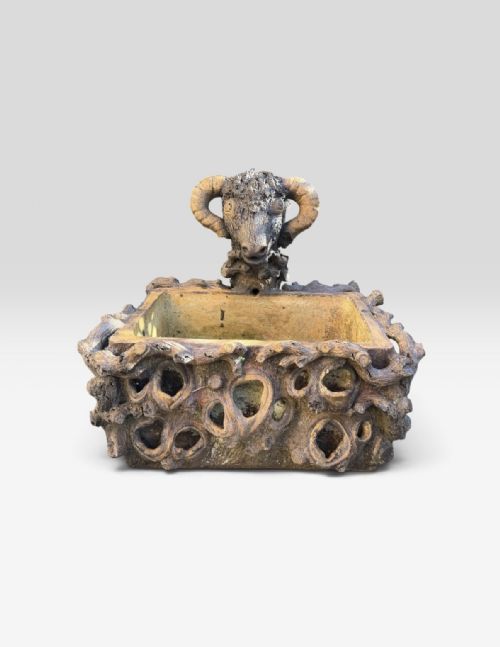
When searching for a vintage rustic basin, buyers encounter utilitarian forms forged for dairies, kitchens, and yards rather than formal parlours. The pieces on this page span the seventeenth to the twentieth centuries, drawing on vernacular traditions from English, French, and Swedish workshops.
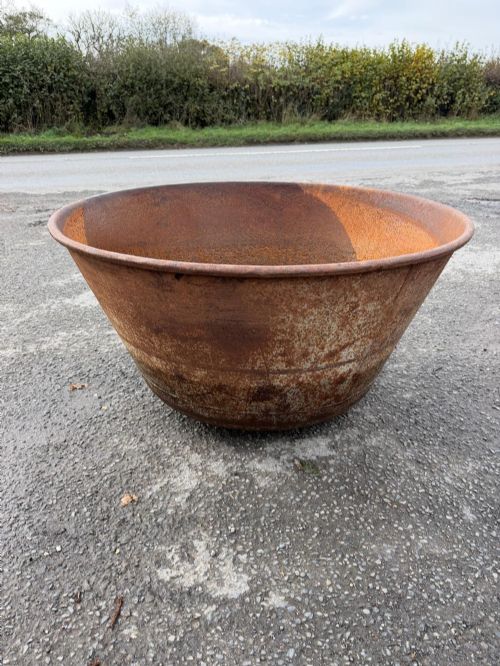
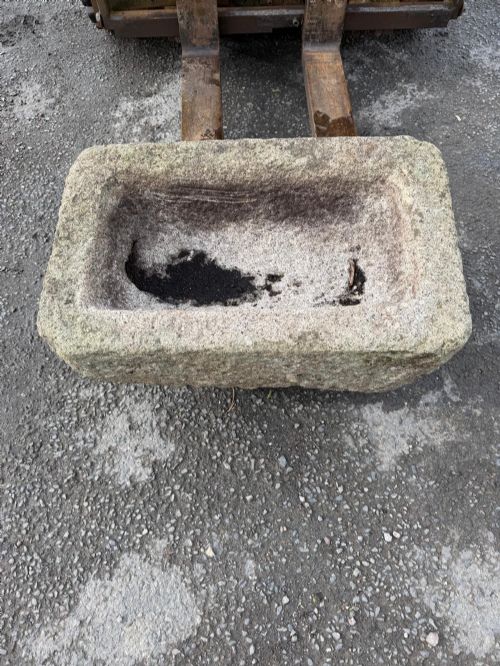
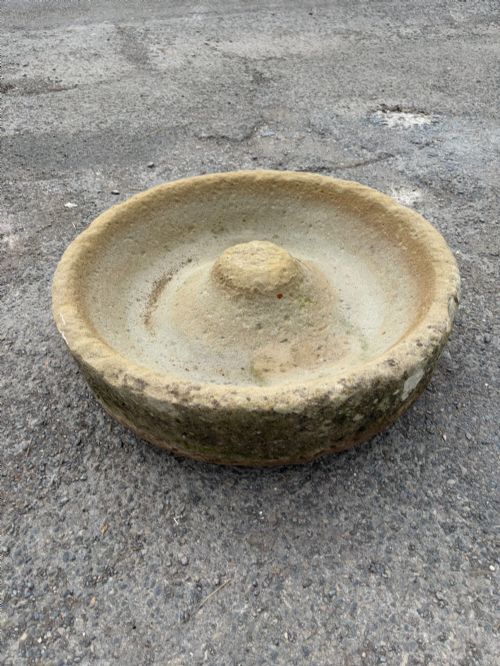
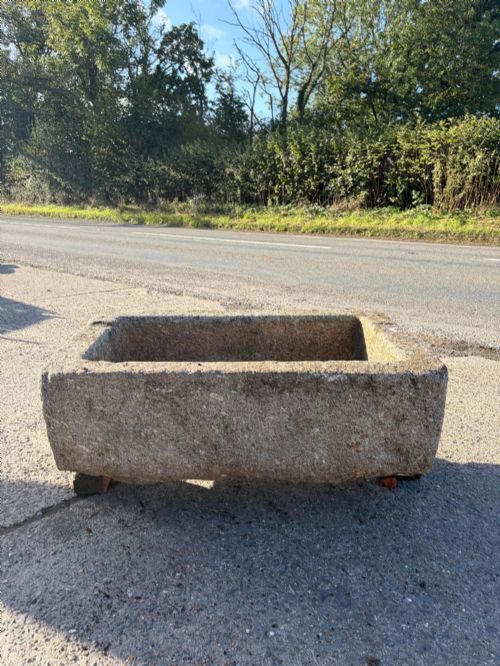
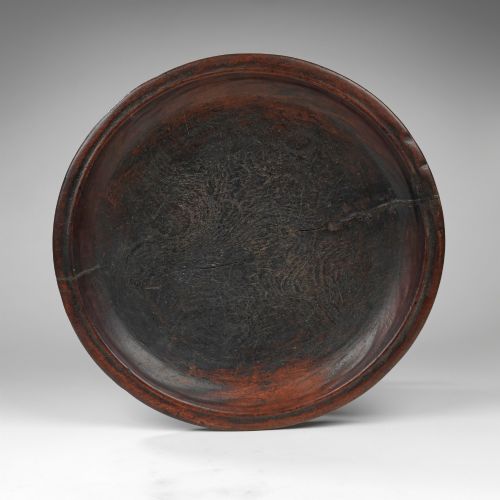
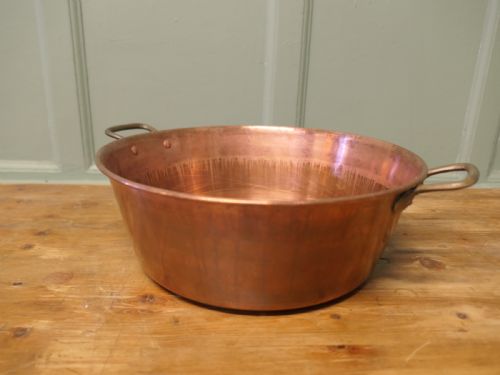
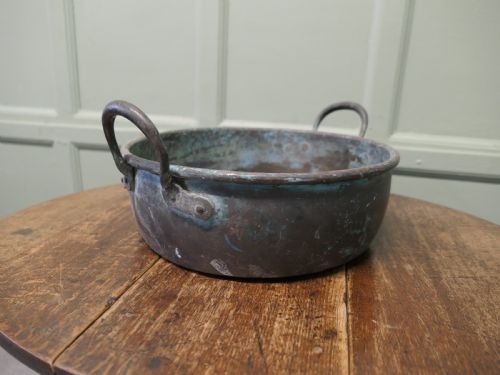
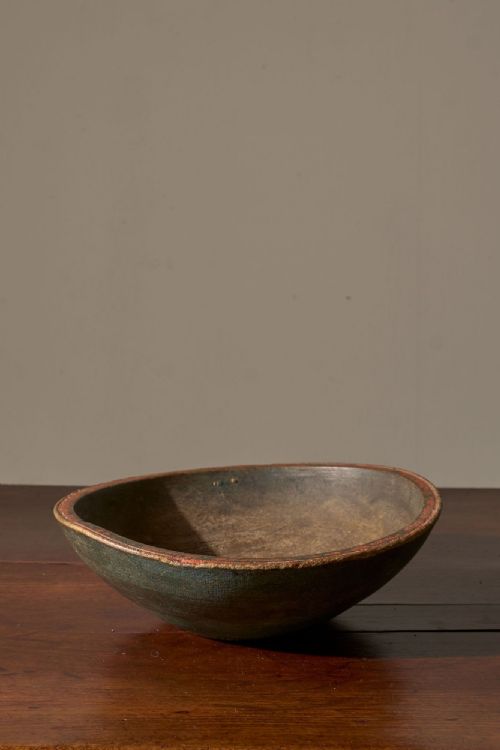
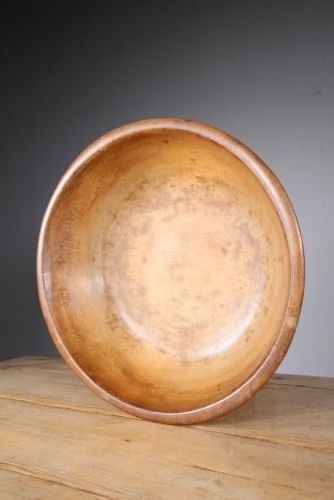
Most items you meet here take the form of heavy stone troughs, copper preserving pans, turned wooden dairy bowls, and pine washstands. These objects carried water, held salt, or boiled fruit long before finding a second life in modern interiors and gardens.
How they were made
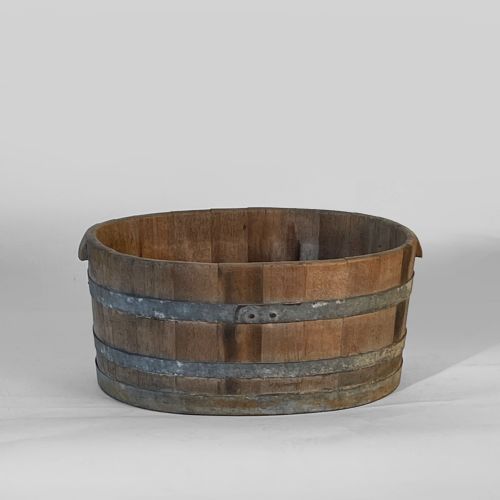
Makers shaped these utilitarian pieces from durable materials designed to endure daily labour, employing dense sandstones and granites alongside hammered sheet copper joined with rivets. Woodworkers turned sycamore and pine on lathes or coopered staves together with iron hoops for washing tubs and dairy vessels.
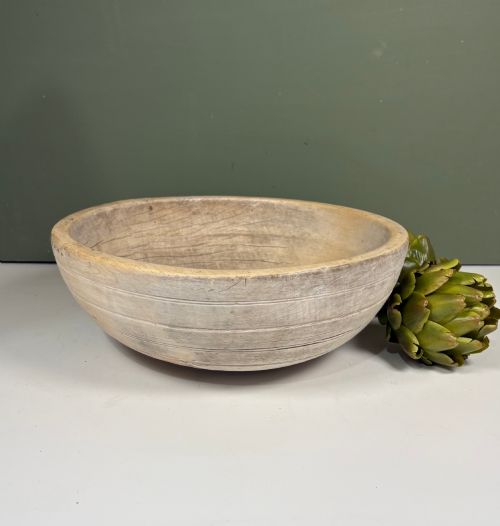
Surfaces bear the direct marks of their creation, from chisel strokes on stone troughs to the hand-beaten indentations on copper cheese vats and pans. Paint finishes on Swedish bowls and pine washstands were applied simply, protecting the timber while leaving the tool marks visible beneath.
Vintage Rustic Basin Retail Price Guide 2026
Typical asking prices for vintage rustic basin among the pieces listed under this phrase on Sellingantiques today, from the lower quarter to the upper quarter. They describe what is for sale here now, not the wider market.
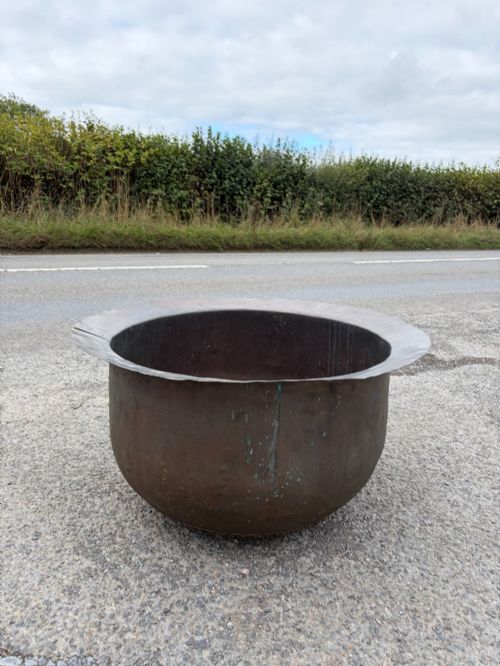
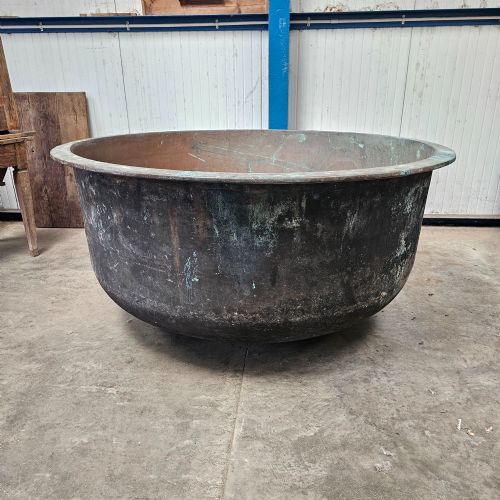
Listings feature utilitarian copper vessels spanning the eighteenth and nineteenth centuries, alongside heavy granite and sandstone troughs.
What varies in quality
Quality in these utilitarian pieces rests upon the integrity of the material and the honesty of the wear. A stone trough with crisp, deep hand-carving or a copper pan with thick, heavy gauge metal sits far above lighter, thinner examples made purely for display.
The degree of original surface survival dictates the standing of each piece, whether that is an undisturbed verdigris on copper or untouched early paint on Swedish wood. Altered depths, replaced iron hoops, or aggressive modern cleaning diminish the character that collectors prize.
T G Green Pottery
The Vintage Rustic Basin Glossary
- Salt glaze
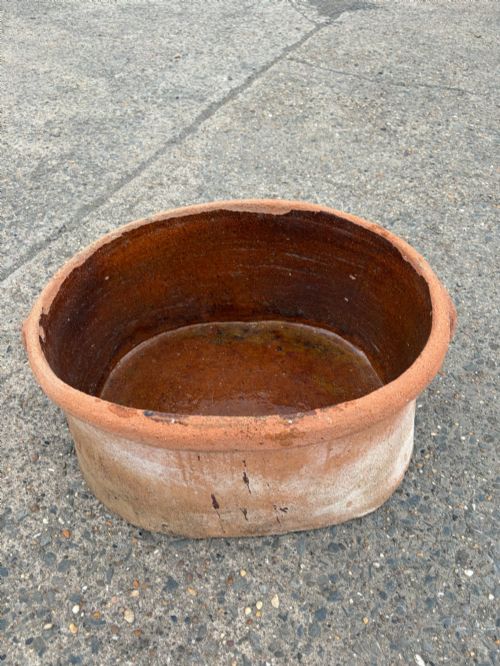
- A vitreous coating formed by throwing common salt into the kiln during high-temperature firing, producing a pitted, orange-peel texture on stoneware. This finish protected culinary and storage vessels from acids.
- Coopered
- Constructed from curved wooden staves bound tightly together with metal hooping, a technique traditionally used for water buckets and washing tubs. It allowed large wooden containers to hold liquids without leaking.
- Verdigris
- A green patina formed naturally on copper surfaces through centuries of exposure to moisture and atmospheric elements. Collectors value this stable chemical layer for its rich colour.
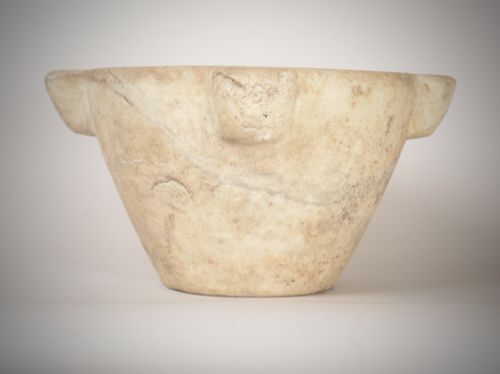
- Mortar
- A heavy bowl, frequently hewn from solid marble or granite, used alongside a pestle for crushing and grinding ingredients. These thick stone vessels date back centuries through domestic and apothecary use.
- Sycamore
- A dense hardwood favoured by traditional turners for dairy bowls and kitchenware because it resists splitting and imparts no taste to food. The pale timber acquires a soft patina through repeated scrubbing.
Vintage Rustic Basin: Frequently Asked Questions
What were copper preserving pans used for?
These large vessels were designed for boiling down fruit with sugar or rendering dairy produce over an open flame. Their conductive metal distributed heat evenly across the base.
Today, they transition easily into living spaces as log bins, planters, or decorative hearth objects.
How do I care for an old stone trough?
Stone troughs require minimal maintenance beyond occasional gentle brushing to clear away moss or debris if kept outdoors. Their robust sandstone or granite composition handles weathering naturally.
When brought indoors, place protective pads underneath to safeguard delicate flooring.
Are wooden dairy bowls food safe?
While historic sycamore bowls held milk and butter generations ago, modern use requires careful consideration of the wood's age and past treatments. Many buyers prefer to utilise them purely as dry display pieces.
Applying food-safe mineral oil helps nourish dry antique timber without altering its colour.
How do I date a pine washstand?
Constructive details such as hand-cut dovetails, original painted finishes, and vernacular turnings help establish the age of these utilitarian furniture pieces. Eighteenth and nineteenth-century examples often display simpler, heavier proportions than later Victorian iterations.
Examine the backboards and interior drawers for tool marks that reveal workshop origins.