



Vintage Royal Oil Painting
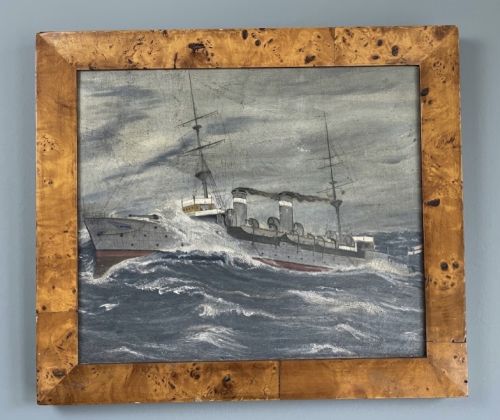
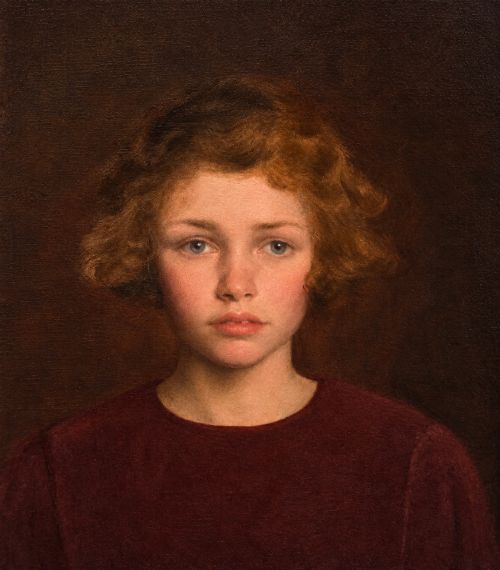
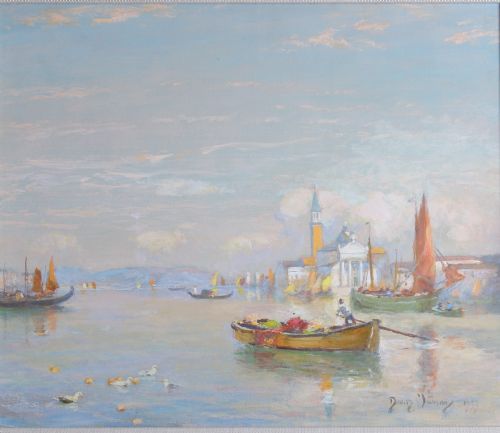
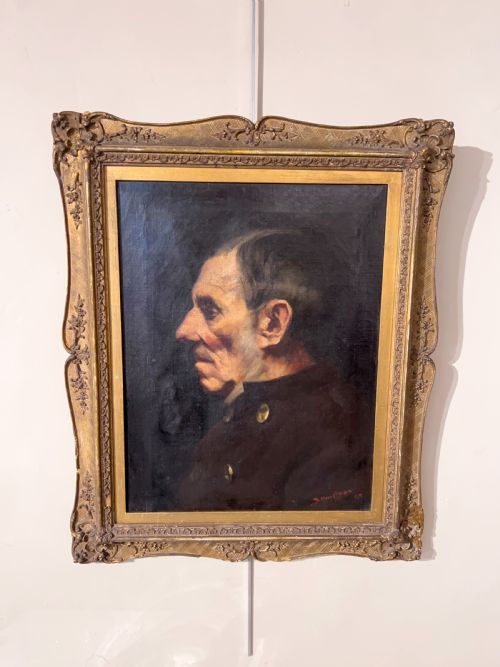
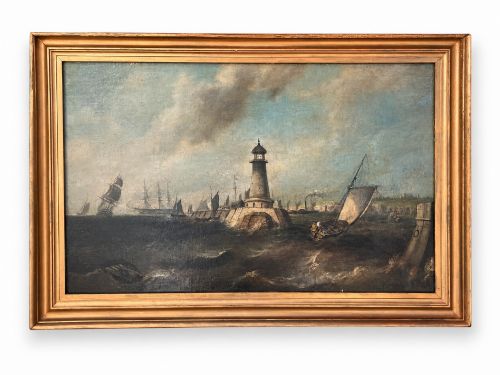
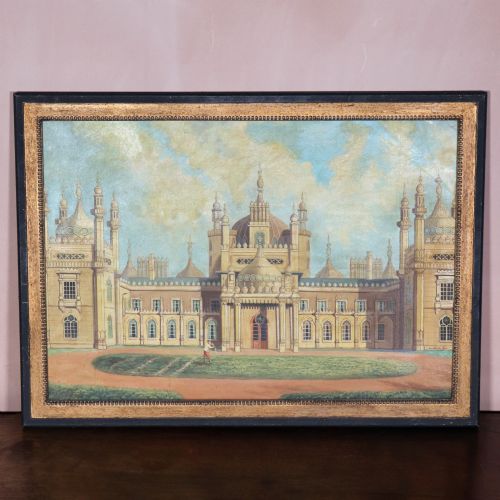
When you search for a vintage royal oil painting, you encounter centuries of maritime scenes, royal portraits, and historic military commissions rendered in rich pigments.
Vintage Royal Oil Painting
A vintage royal oil painting represents significant figures, monarchical heritage, and naval subjects executed across the Victorian, Edwardian, and mid-20th-century periods. These works capture subjects such as reigning sovereigns, royal yachts, and military commanders within formal studio settings or expansive landscapes.
Collectors encounter works documenting specific historical personages, including King George V, Queen Mary, and various members of the royal family, alongside maritime depictions involving the Royal Navy. These paintings serve as both historical archives and examples of academic British fine art.
Materials and Technique
The works utilise oil paint applied to stretched canvas or wooden board, allowing for deep tonal gradations and layered application. Artists built up textures using traditional brushwork to render the formal uniforms, fabrics, and intricate details of royal regalia.
Many pieces retain their original frames constructed from wood, frequently enhanced with gold leaf or giltwood highlights. These surrounds often feature carved ornamentation or presentation plaques that complement the scale and formality of the painted canvas.
Vintage Royal Oil Painting Retail Price Guide 2026
Typical asking prices for vintage royal oil painting among the pieces listed under this phrase on Sellingantiques today, from the lower quarter to the upper quarter. They describe what is for sale here now, not the wider market.
Several royal portraits capture sitters wearing unexpected personal touches, including a poppy lapel pin and a commemorative book.
Distinctions in Quality
Quality rests upon the artist's academic standing, the prominence of the sitter, and the documentary value of the historical depiction. Works by Royal Academy exhibitors and artists with established exhibition histories demonstrate superior draftsmanship in anatomical precision and psychological depth.
The preservation of the pigment layer, the absence of extensive restoration, and the originality of the frame heavily influence the standing of a piece. Superior examples maintain the vibrancy of the oil medium without significant cracking or pigment loss across the canvas.
Bertram Priestman RA·Reginald Grange Brundrit RA·Ronald Ossory Dunlop RA·Joseph Farquharson RA·Sir David Murray RA·Roland Batchelor·Peter Greenham·Kershaw Schofield·Allan Gwynne-Jones·John Laviers Wheatley·William Dring RA·Maurice Codner·Sir Oswald Hornby Joseph Birley·Edward Bainbridge Copnall
The Vintage Royal Oil Painting Glossary
- Oil on Canvas
- Pigment mixed with drying oil applied to a woven fabric support. This combination provides flexibility and allows for rich colour blending.
- Giltwood
- Wood carved and coated with a thin layer of gold leaf or metallic powder. This material frequently frames formal historical and royal portraits.
- British Impressionism
- A painting style focusing on light and spontaneous brushwork adapted by British artists. It emerged strongly during the late nineteenth and early twentieth centuries.
- Exhibited RA
- Denotes a work accepted for display at the annual Royal Academy exhibitions in London. This provenance indicates a recognised level of artistic merit.
- Genre Painting
- The pictorial representation of scenes from everyday life. These works often depict historical narratives or domestic moments alongside figures.
Vintage Royal Oil Painting: Frequently Asked Questions
What periods do these paintings cover?
The selection spans from the nineteenth century through the Edwardian era and into the mid-twentieth century. Works document shifts in artistic style from academic Victorian realism to mid-century British modernism.
Dates often align with significant reigns, jubilees, or naval milestones recorded in British history.
How do I identify a royal portrait?
Subjects are typically identified by formal attire, including naval uniforms, coronation robes, or specific honours such as the Order of the Garter. Inscriptions, plaques, or exhibition records often confirm the identity of the sitter.
Artists frequently painted members of the royal family or high-ranking military officials for official commissions.
Where were these paintings displayed?
Many of these works hung in private institutional boardrooms, stately homes, or were submitted directly to public exhibitions such as the Royal Academy. Presentation plaques on the frames sometimes record corporate commemorations or presentation histories.
Such provenance connects individual canvases to specific historical events or corporate jubilees.
How should I care for an oil painting?
Keep the canvas away from direct sunlight and fluctuating humidity to prevent the oil paint from cracking or warping the wooden support. Dust the surface gently with a soft, dry brush without applying pressure to the pigment.
Avoid using liquid cleaners on either the canvas or the giltwood frame to preserve the original materials.