





17th Century Royal Portrait
A 17th century royal portrait brings monarchs, consorts and courtiers into the room through oil on canvas, panel and mezzotint.
17th Century Royal Portrait
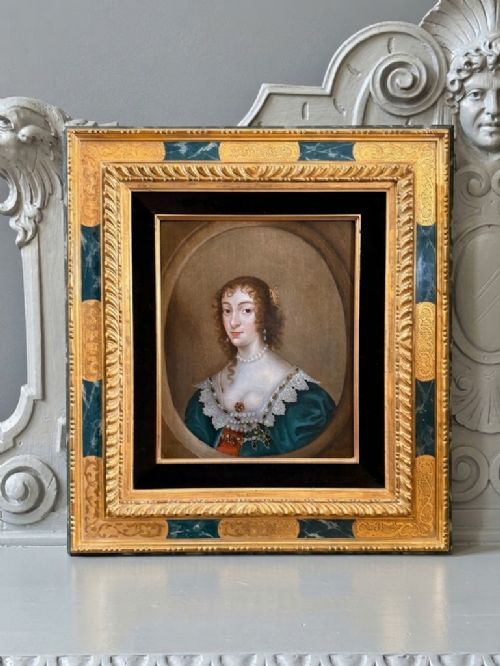
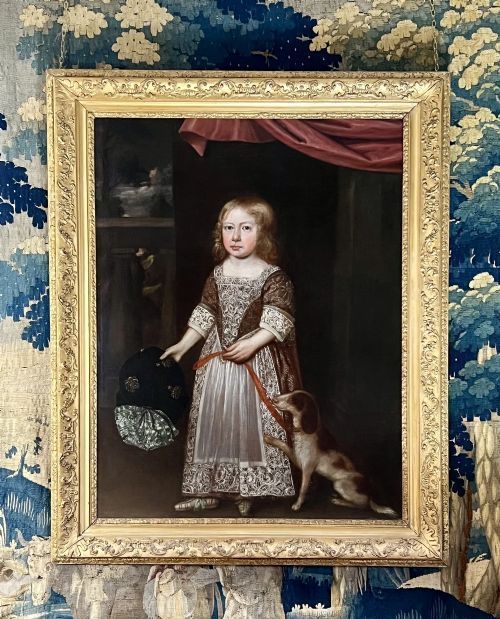
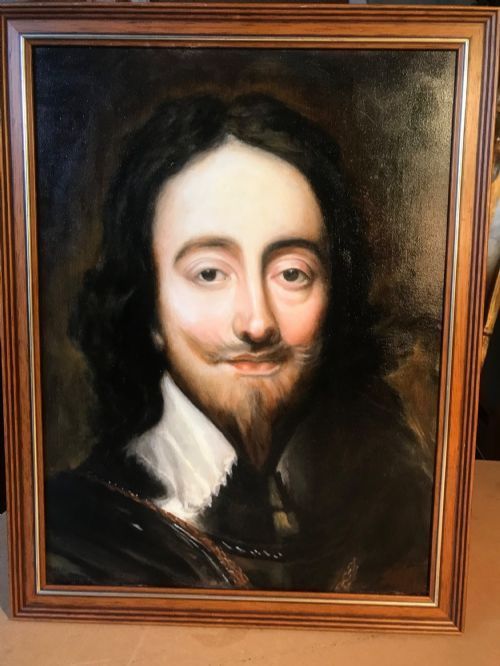
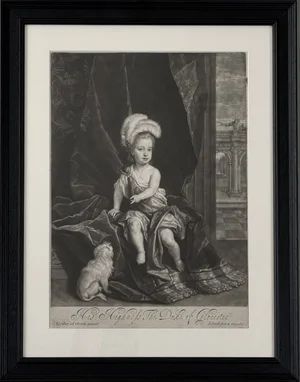
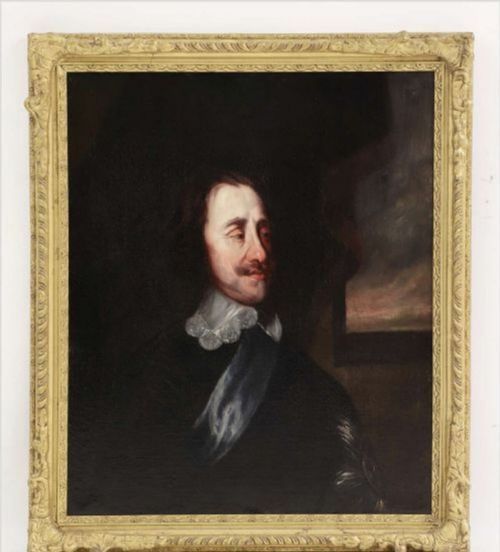
When you search for a 17th century royal portrait, you encounter depictions of kings such as Charles I, Charles II and William III, alongside queens and princes. These works range from period oils and panel paintings to later mezzotints, engravings and framed prints.
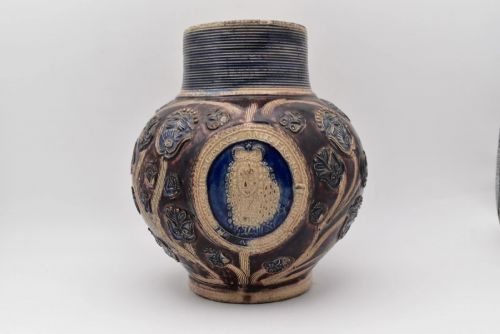
The pieces on this page span the 17th Century, Victorian, 1900 and 1960 periods, reflecting both contemporary output and later historical revival interpretations. Alongside traditional oil paintings, you also find unusual ceramic forms like Westerwald stoneware jugs.
Stylistically, these images draw heavily on Baroque, Stuart Baroque and Jacobean traditions. Anglo-Flemish and Northern European schools also appear, capturing the formal majesty of European courts.
How they were made
Painters applied oil paint and oil on canvas or wood panel, building up rich drapery and armour. Mezzotint engravers worked on paper to reproduce likenesses of princes and dukes.
Giltwood frames house many of these works, complemented by glass protection for paper prints and watercolours. Stoneware vessels utilise salt-glazing techniques to incorporate moulded royal profiles.
17th Century Royal Portrait Retail Price Guide 2026
Typical asking prices for 17th century royal portrait among the pieces listed under this phrase on Sellingantiques today, from the lower quarter to the upper quarter. They describe what is for sale here now, not the wider market.
Listings feature oil on canvas, wood panels, paper prints and stoneware jugs across the Baroque, Jacobean and historical revival styles.
What varies in quality
The distinction between a workshop piece, a circle work and a later copy lies in the handling of facial likeness and costume detail. Master painters captured velvet textures, lace ruffs and the sheen of steel armour with convincing depth.
Condition and medium also define the piece, from original oil paintings on panel to later mezzotint prints and historic engravings. The integrity of the canvas, panel or paper surface shapes the lasting impact of the portrait.
Sir Anthony van Dyck·Sir Peter Lely·Sir Godfrey Kneller·Henri and Charles Beaubrun·William Dobson
The 17th Century Royal Portrait Glossary
- Mezzotint
- A printmaking process where the copper plate is roughened to achieve rich dark tones and subtle gradations of light. This technique suited the tonal requirements of court portraiture.
- Baroque
- An artistic style characterised by dynamic movement, drama and grandeur. It dominated seventeenth-century European court painting.
- Panel painting
- A work executed on a flat piece of wood rather than stretched canvas. Oak panels were standard in Northern Europe during the seventeenth century.
- Order of the Garter
- The senior order of chivalry in England, frequently denoted in royal portraits by insignia such as the garter itself or the George medal.
- Stoneware
- A hard, dense ceramic fired at high temperatures and rendered impermeable. Salt-glazed examples often featured moulded royal portraits.
17th Century Royal Portrait: Frequently Asked Questions
What is a royal portrait?
A royal portrait depicts a sovereign, member of the royal family or court figure, created to project authority, lineage and status.
These works utilise formal poses, specific regalia like crowns and collars, and rich fabrics to mark the sitter's position.
How do I spot a later copy?
Later copies and revival pieces often display stiffer brushwork, simplified costume details, and a flatness in the rendering of fabrics and armour.
Material analysis of the canvas, wood panel or paper alongside framing clues helps establish whether a work is seventeenth-century or a later interpretation.
What is a passage portrait?
A passage portrait refers to a specific compositional type or historical likeness often replicated by subsequent artists following a well-known archetype.
These images circulated widely to maintain the visual presence of the monarch across territories.
How should I display these works?
Oil paintings and framed prints require stable wall spaces away from direct sunlight and dramatic humidity changes to protect the canvas, panel or paper.
Heavy giltwood frames benefit from secure fixings suited to their substantial weight.