




Vintage Royal Crown
Vintage royal crown items bring together fine porcelain, intricate enamel and precious metals from periods spanning the Victorian era to the mid-twentieth century.
Vintage Royal Crown
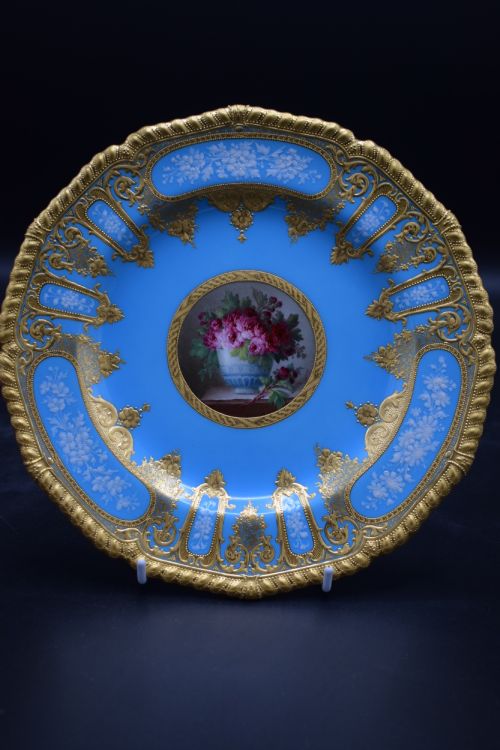
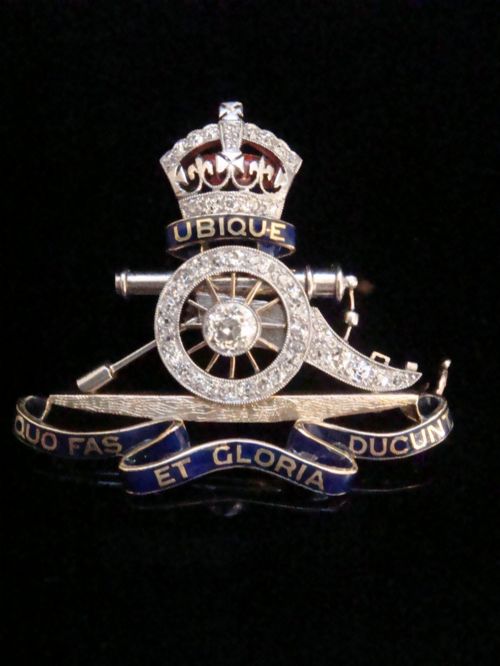
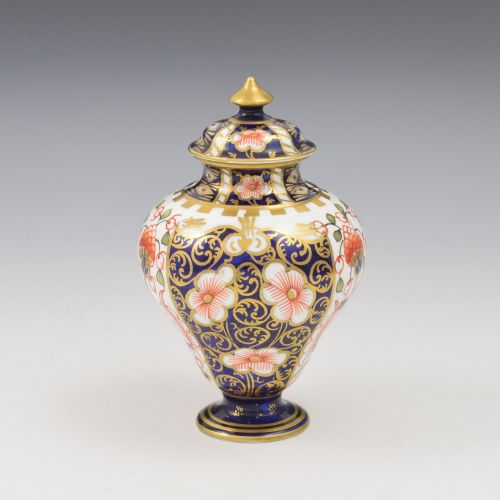
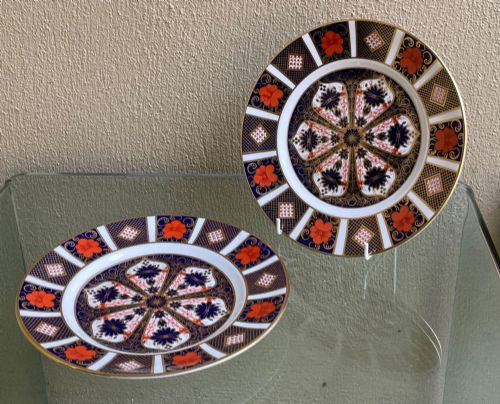
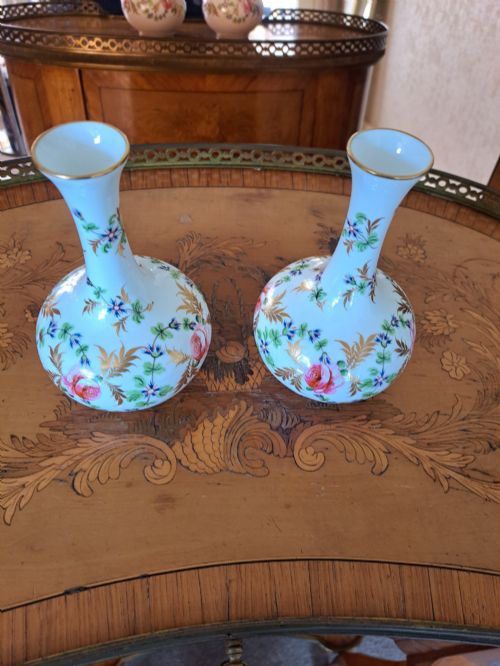
When you search for vintage royal crown, you encounter a varied selection of antique ceramics, jewellery and decorative objects originating from established British makers. The selection includes cabinet plates, miniature vases, intricate dessert services and enamel brooches spanning the Victorian, Edwardian and mid-century periods.
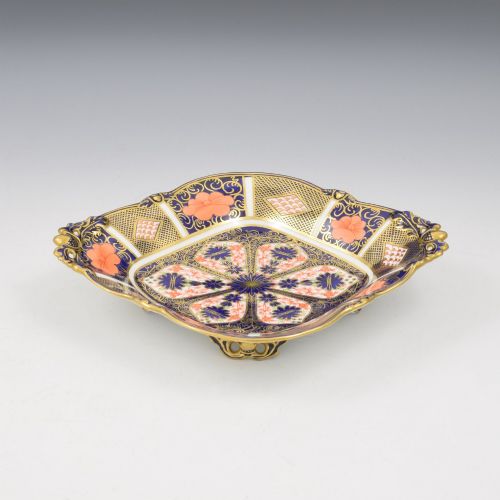
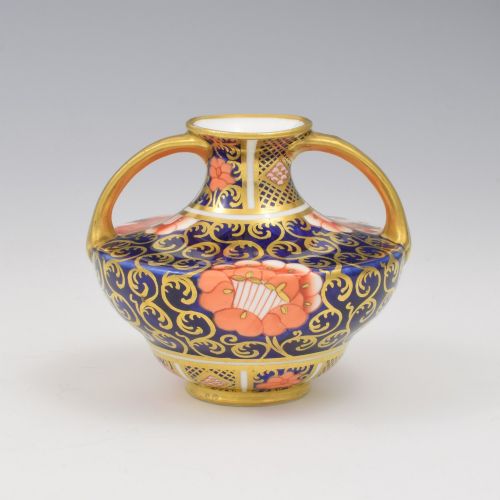
Ceramic items frequently display traditional Imari palettes and hand-painted details on bone china and porcelain. Jewellery examples combine sterling silver, yellow gold, platinum, diamonds and guilloche enamel to form regimental insignia and themed motifs.
The objects reflect distinct manufacturing eras, from nineteenth-century Derby pieces to mid-century commemorative items and silver photograph frames. Each piece demonstrates the specific decorative standards of its decade of production.
Materials and construction techniques
Ceramic pieces utilise fine bone china and porcelain formed into plates, dishes, miniature vases and tea sets. Artisans applied cobalt blue, iron red and gold leaf decorations, often following Imari patterns.
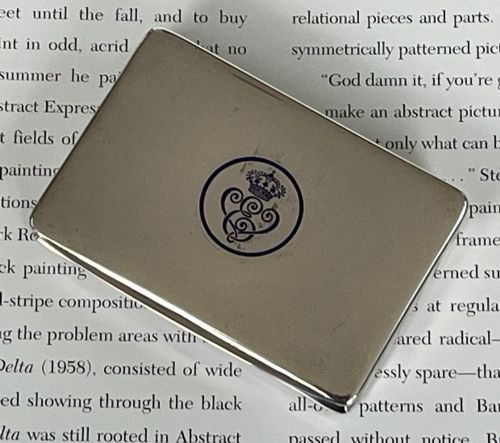
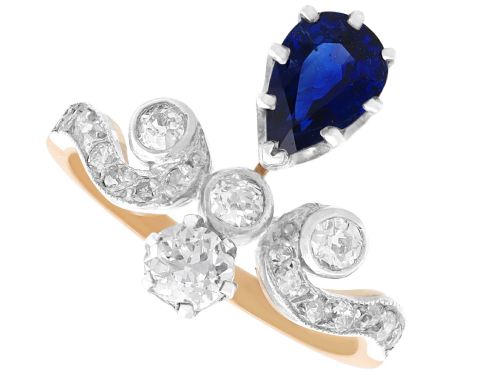
Jewellery and decorative metalwork combine sterling silver, 14ct and 18ct yellow gold, and platinum with translucent guilloche enamel. Skilled craftspeople set diamonds into these precious metal mounts to create brooches and tiara rings.
Hand-painting and precise date marking identify the traditional craftsmanship applied across the porcelain and ceramic objects. Gilding and enamel work required careful firing to achieve durable surface finishes.
Vintage Royal Crown Retail Price Guide 2026
Typical asking prices for vintage royal crown among the pieces listed under this phrase on Sellingantiques today, from the lower quarter to the upper quarter. They describe what is for sale here now, not the wider market.
Listings feature bone china, porcelain, sterling silver, gold leaf, and diamonds across Victorian, Edwardian, and mid-century periods.
Quality variations in vintage royal crown
The standard of hand-painted detail and the crispness of transfer printing determine the visual success of ceramic pieces. Intricacy in Imari patterns and the preservation of applied gold leaf significantly influence the overall refinement of plates and vases.
In jewellery and metalwork, the quality depends upon the precision of the guilloche enamel work and the clarity of set diamonds. Heavier gauge precious metals and fully legible hallmarks indicate superior manufacture.
Royal Crown Derby·Royal Worcester·Royal Albert·David Anderson
The Vintage Royal Crown Glossary
- Imari Style
- A decorative ceramic style utilising a distinctive palette of underglaze blue, iron red and gilding. This aesthetic originated in Japan and was closely imitated by English potteries.
- Guilloche Enamel
- A decorative technique where a precise geometric pattern is engraved beneath a translucent layer of enamel. This method was widely used on Edwardian and later silver brooches.
- Bone China
- A type of porcelain composed of bone ash, feldspathic material and kaolin. It offers high mechanical strength and chip resistance while allowing a translucent white body.
- Cabinet Plate
- A decorative ceramic plate intended for display in a cabinet rather than for dining use. These pieces often feature hand-painted artistry by named studio artists.
- Dessert Service
- A matching set of plates and serving vessels, such as comports, designed for the dessert course. Antique services often comprise multiple matching plates and a central compote.
Vintage Royal Crown: Frequently Asked Questions
What is vintage royal crown?
Vintage royal crown items encompass porcelain ceramics, decorated tableware and precious metal jewellery produced by prominent British makers across the nineteenth and twentieth centuries.
These pieces range from hand-painted Imari pattern plates and miniature vases to diamond-set silver and gold brooches featuring regimental motifs.
How do I date these pieces?
Dating relies on manufacturer factory marks, pattern numbers and registration ciphers stamped or painted on the base of ceramic items.
Precious metal pieces use hallmarking systems that indicate the assay office, metal purity and year of assay.
How were cabinet plates used?
Cabinet plates served primarily as decorative display items within wealthy households rather than functional tableware.
They showcased the artistic skill of the pottery painter and the wealth of the owner through rich gilding and detailed hand-painted scenes.
Are these items suitable for daily use?
Antique ceramic tableware and decorative plates require careful hand washing to preserve delicate hand-painted enamel and gold leaf detailing.
Jewellery items like enamel brooches and rings benefit from gentle cleaning and secure storage to protect the fragile glass surfaces and precious stones.