


Vintage Royal Artwork
Vintage royal artwork encompasses maritime scenes, royal portraits, and military depictions that capture centuries of pageantry and maritime history.
Vintage Royal Artwork
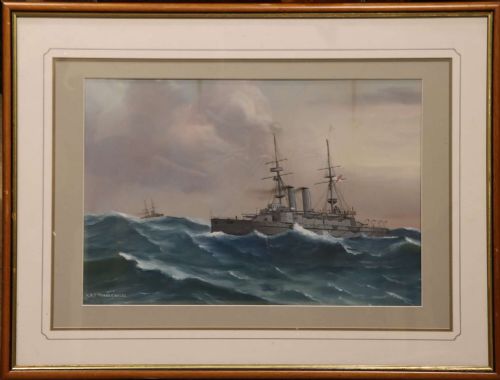
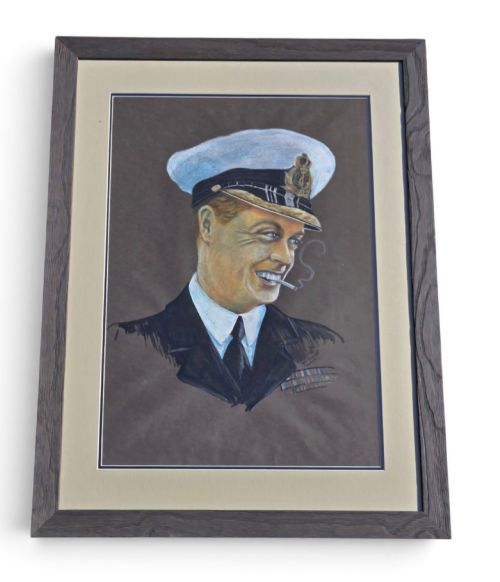
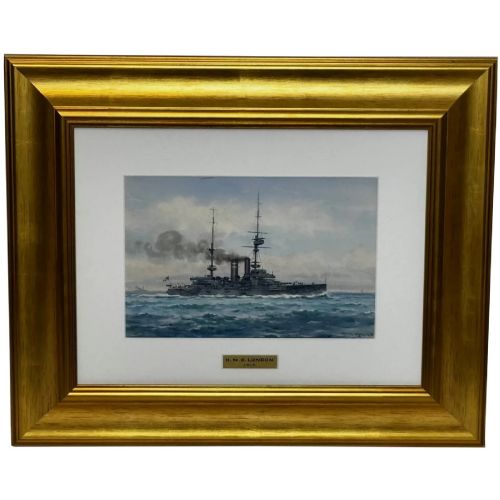
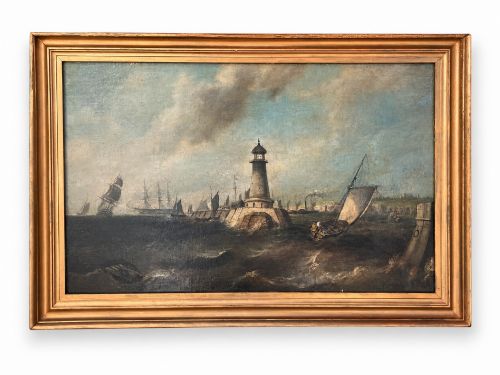
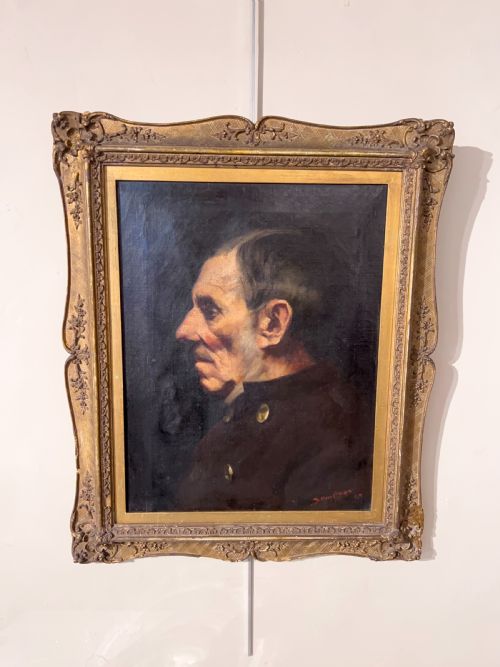
When you search for vintage royal artwork, you encounter a specialised selection of paintings, watercolours, and drawings that document monarchs, naval vessels, and royal figures. These pieces range from intimate pastel portraits of princes to sweeping maritime oils depicting royal navy ships and historic royal yachts.
The selection on this page leans heavily towards British traditions, incorporating works associated with the Royal Academy, military regiments, and historic estates. You will find mediums spanning from delicate watercolours on paper to substantial oil paintings on canvas.
The subjects extend from specific historical personalities, such as Queen Victoria and various Princes of Wales, to scenes of royal significance like regimental milestones and historic postal routes.
How They Were Made
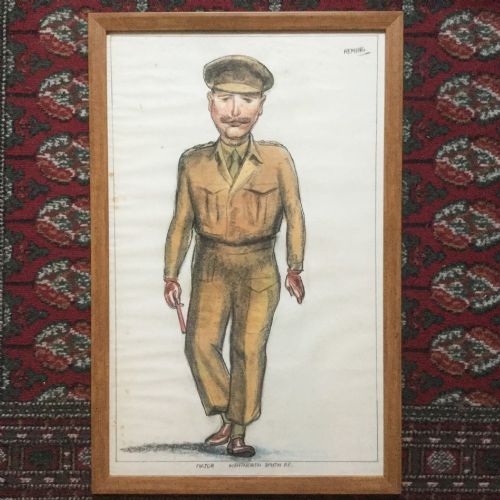
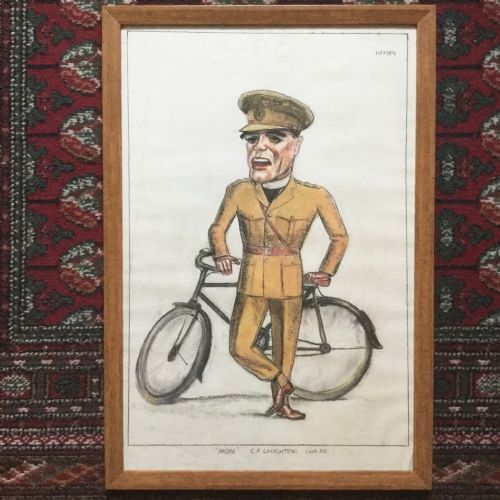
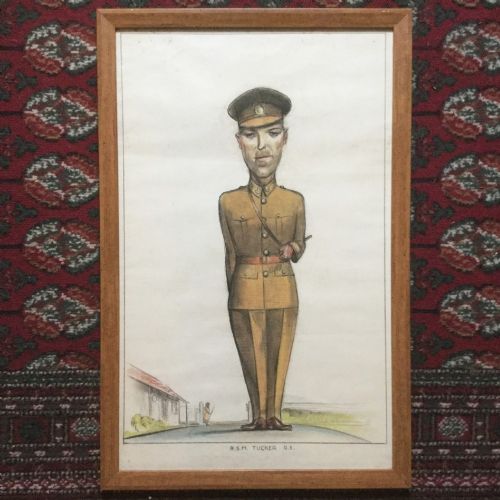
The pieces rely on traditional fine art mediums, predominantly oil paint, watercolour, gouache, and pastel applied to canvas, wood, or heavy paper. Artists working in these materials employed rigorous draughtsmanship, particularly evident in the detailed renderings of naval rigging and royal uniforms.
Framing plays an integral role in the presentation of these works, with many retaining period gilt frames that complement the academic and traditional painting styles of the nineteenth and twentieth centuries.
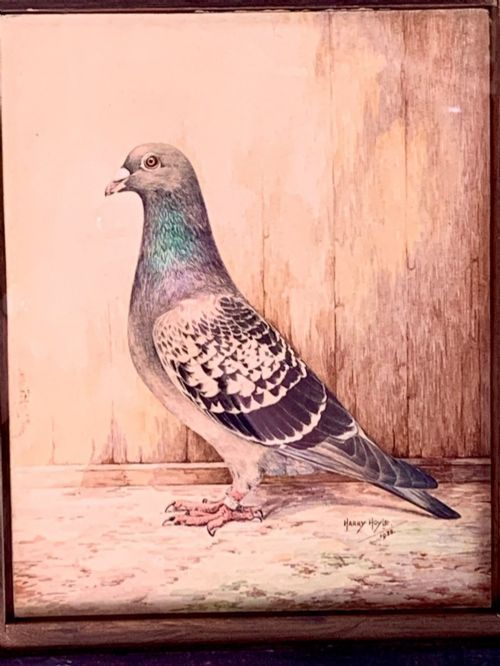
At least one royal messenger pigeon celebrated its victory in style with a dedicated watercolour portrait.
What Varies in Quality
Quality in these works is defined by the surety of the artist's hand, particularly in portraiture where likeness and expression require precise control over mediums like pastel or oil. Works produced by artists associated with recognised institutions such as the Royal Academy demonstrate superior handling of light, perspective, and composition.
The historical significance of the subject matter also elevates a piece, distinguishing standard topographical views from documented depictions of named vessels, registered racing thoroughbreds, or sitting monarchs by listed painters.
James McArdell·Frank Watson Wood·Bertram Priestman·Vincenzo D’Esposito·Reginald Grange Brundrit·Roland Batchelor
The Vintage Royal Artwork Glossary
- Gouache
- An opaque water-based paint that dries to a matte finish, frequently utilised in maritime works for dense highlights of seafoam and ship detailing.
- Mezzotint
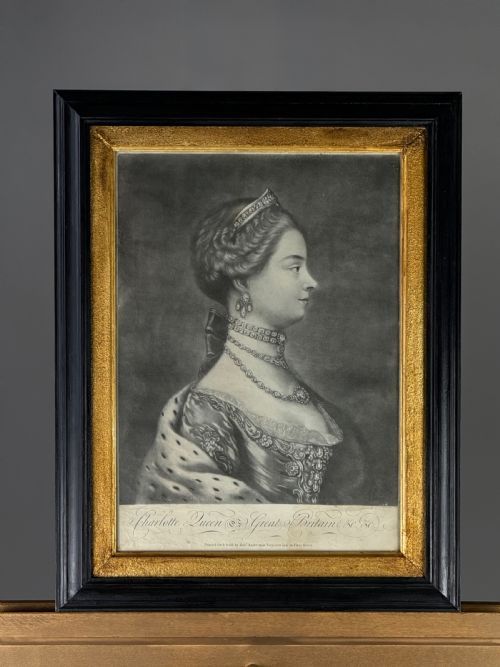
- A printmaking process of the tonal engraving family, allowing smooth gradations of light and dark to create rich, atmospheric royal portraits.
- Pastel
- A dry drawing medium composed of powdered pigment and a binder, prized for capturing soft textures in portraiture.
- Royal Academy
- An institution in London whose exhibiting members represent established standards of British artistic training and accomplishment.
- Provenance
- The documented history of a piece, establishing its authenticity and previous ownership, sometimes linked to specific presentations.
Vintage Royal Artwork: Frequently Asked Questions
What defines royal artwork?
Royal artwork depicts monarchs, members of the royal family, royal residences, or vessels commissioned by or serving the crown.
These pieces often carry direct historical associations with coronations, military regiments, or official royal patronage.
How do I identify the period?
Dating relies on the costume of the sitters, the styling of maritime vessels, and the technical characteristics of the paper, canvas, or frame.
Signatures, exhibition labels on the reverse, and artist biographical dates provide the most reliable chronological anchors.
Where should I hang these?
These works suit traditional studies, libraries, or living spaces with neutral walls that allow heavy gilt frames and detailed watercolours to stand out.
Protect them from direct sunlight to preserve the fugitive pigments found in older watercolours and pastels.
Are watercolours fragile?
Watercolours on paper are sensitive to light and moisture, requiring conservation framing behind glass to prevent fading and paper degradation.
Keeping them away from damp environments ensures the paper support remains stable over decades.