


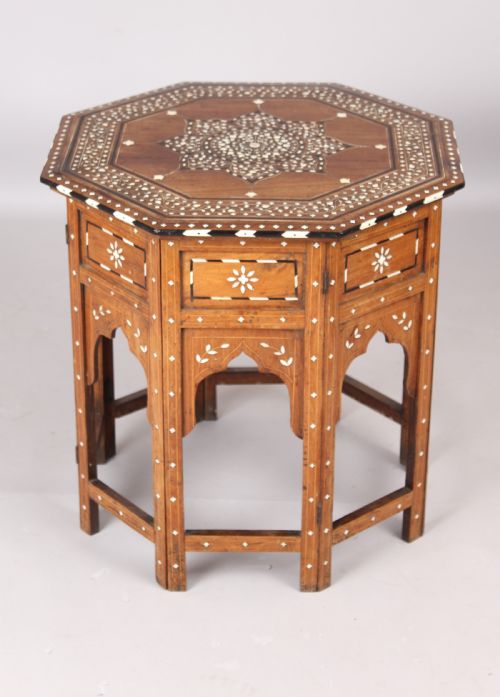


Vintage Rosewood Plant Table
A vintage rosewood plant table elevates foliage and ceramics, bringing carved timber and marble into a room with distinct regional character.
Vintage Rosewood Plant Table
A vintage rosewood plant table functions primarily to elevate planters, urns, and lamps within a room. The selection spans compact pedestals, occasional tables, and side tables designed for specific decorative purposes.
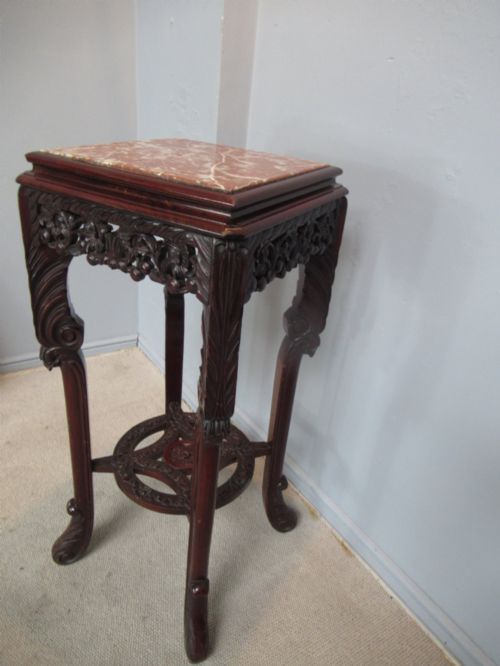
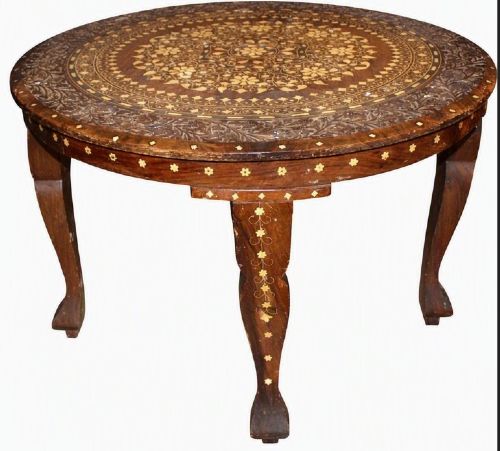
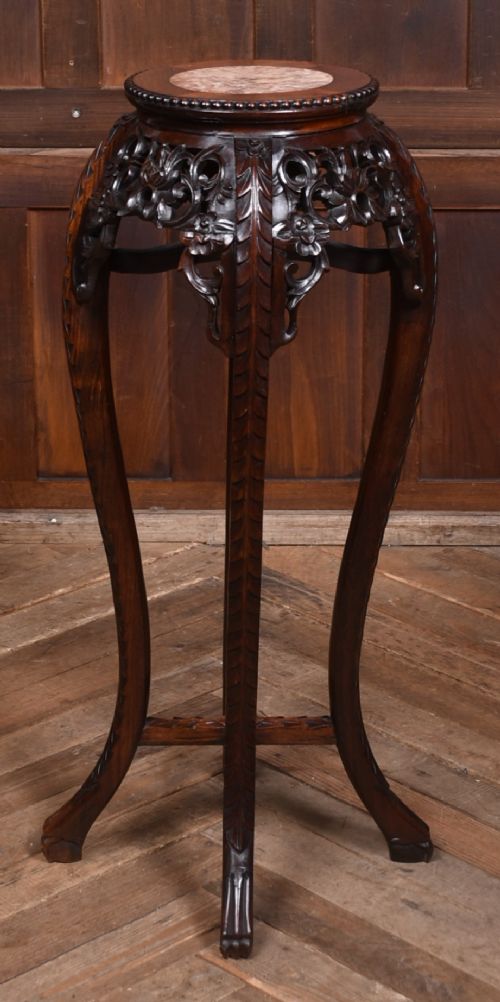
Most examples originate from nineteenth-century and early twentieth-century workshops in China and India. Chinese export pieces frequently feature rouge marble inserts and carved hardwood frames, whilst Anglo-Indian examples showcase intricate bone inlay and deep relief carving.
Makers utilised various related forms, including nesting tables and octagonal coffee tables, to serve as versatile surfaces. The lineage includes distinct regional styles such as Qing Dynasty, Art Deco, and Hoshiarpur traditions.
Materials and Construction
Cabinetmakers constructed these pieces using dense hardwoods, predominantly rosewood alongside general oriental hardwoods and teak. Solid timber provides the structural integrity required for heavy marble inserts and elaborate carved elements.
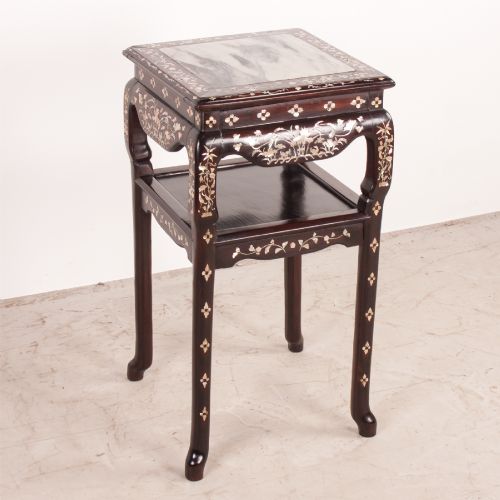
Surface decoration relies on contrasting inlays of bone, mother of pearl, and brass wire set directly into the timber. Artisans also employed deep manual carving to create figurative motifs, dragons, and leaf patterns across skirts and legs.
Listings demonstrate a strong presence of nineteenth-century Chinese hardwood and Indian bone-inlaid pieces alongside early twentieth-century Art Deco interpretations.
Distinctions in Execution
The integration of inset materials reveals the maker's precision. Flush-fitting marble tops and tightly secured bone or mother of pearl segments demonstrate careful joinery that remains stable over decades.
Liberty & Co·Majorelle
The Vintage Rosewood Plant Table Glossary
- Rosewood
- A dense, heavily figured hardwood favoured for fine cabinetmaking and decorative stands. Its dark grain provides a robust foundation for intricate carving.
- Jardiniere stand
- A tall, slender table specifically proportioned to hold indoor plant pots or ceramic jardiniere bowls. These pieces often feature inset marble tops to resist moisture.
- Bone inlay
- Fragments of animal bone shaped and pressed into routed channels within wooden surfaces. This technique creates pale, geometric or floral patterns against dark timber.
- Hongmu
- A traditional Chinese term describing dense, red-hued hardwoods used in classical furniture production. It translates literally to red wood.
- Occasional table
- A small, movable side table intended for intermittent use rather than central seating arrangements. They appear frequently in nested sets or as lamp supports.
Vintage Rosewood Plant Table: Frequently Asked Questions
What is a plant table used for?
These compact tables serve primarily to raise potted plants, ceramic urns, and lamps to a comfortable viewing height. They occupy corners and small wall spaces where larger furniture proves impractical.
Their sturdy tops and elevated platforms also accommodate vases and decorative objects, protecting floor surfaces and adding vertical interest to interior arrangements.
How do I identify Chinese export pieces?
Chinese export pieces frequently incorporate dense hardwoods like rosewood and hongmu alongside inset rouge marble tops. Carved motifs often reference traditional flora, dragons, and structural panel forms.
Many examples date from the nineteenth and early twentieth centuries, reflecting international trade patterns and craftsmanship tailored for Western markets.
What defines Anglo-Indian tables?
Anglo-Indian tables combine traditional British furniture forms with elaborate South Asian woodworking techniques. They are characterised by dense, all-over carving and contrasting inlays.
Artisans utilised camel bone, mother of pearl, and brass wire to create geometric and botanical patterns across the surfaces of octagonal and circular occasional tables.
Where should I place a plant table?
These tables suit corners, entrance halls, and seating areas where a compact surface is required. Placing them near light sources allows trailing foliage or ceramic urns to stand out.
Because many feature marble inserts, they accommodate damp pots more readily than plain timber surfaces, though using protective saucers remains sensible.