



Vintage Rosewood Coffee Table
These vintage rosewood coffee tables bring rich grain and diverse regional carving to a sitting room.
Vintage Rosewood Coffee Table
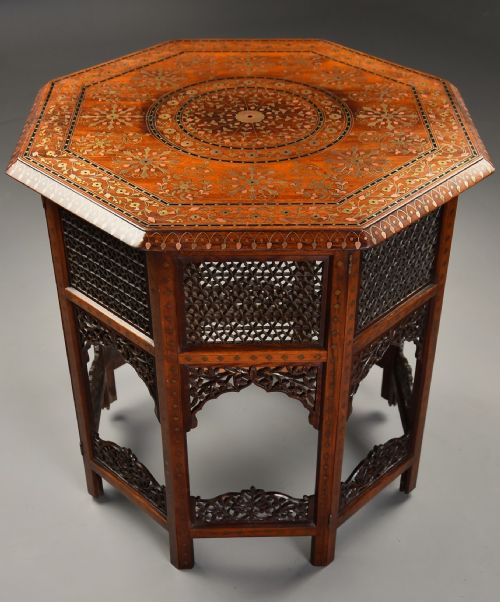
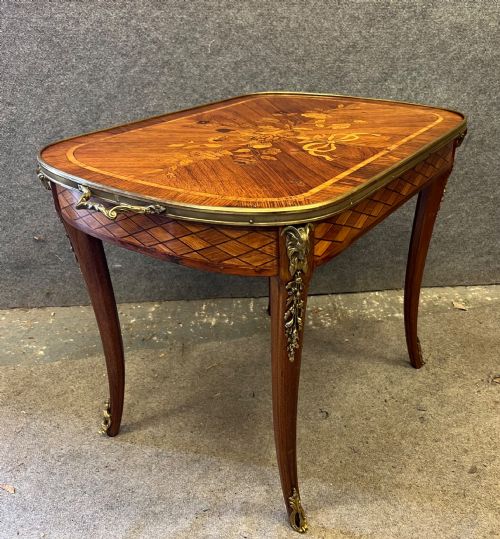
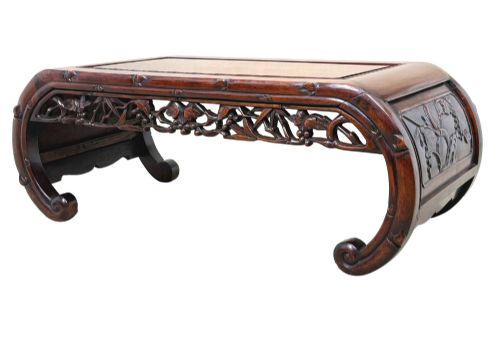
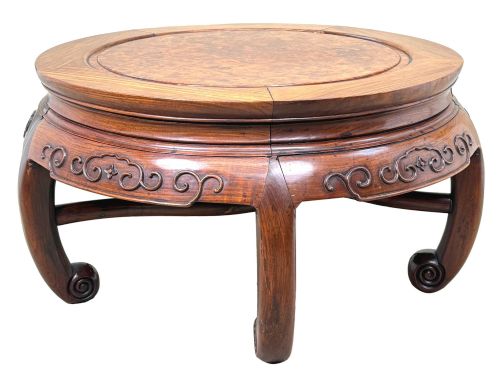
A vintage rosewood coffee table encompasses low occasional pieces, nesting tables, and low opium tables spanning the nineteenth century through the Art Deco era. Buyers seeking this phrase encounter distinct design traditions, notably Anglo-Indian bone-inlaid work, Chinese hardwood low tables, and French marquetry centre tables adapted for modern surface use.
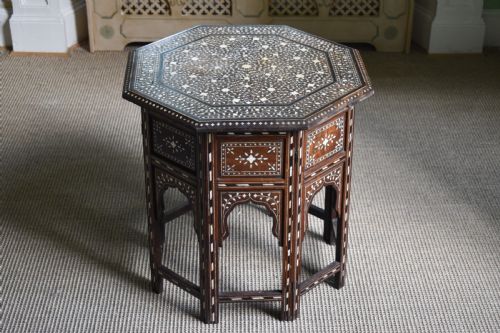
The most common examples on this page are low occasional and nesting tables originating from nineteenth-century workshops and early twentieth-century colonial trade. These low-slung surfaces include octagonal forms, folding frames, and quartetto nesting sets designed for practical utility in domestic interiors.
Materials and construction methods
Makers utilised solid rosewood, hardwood, and rosewood veneer over secondary timbers, frequently combining dense tropical woods with contrasting veneers like birds eye maple. Structural framing relied on traditional joinery suited to low-profile coffee and occasional tables.
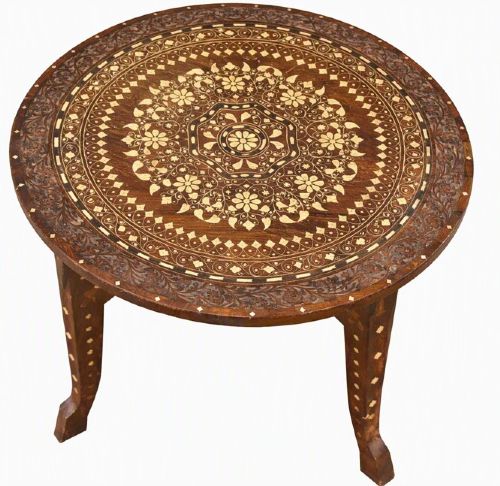
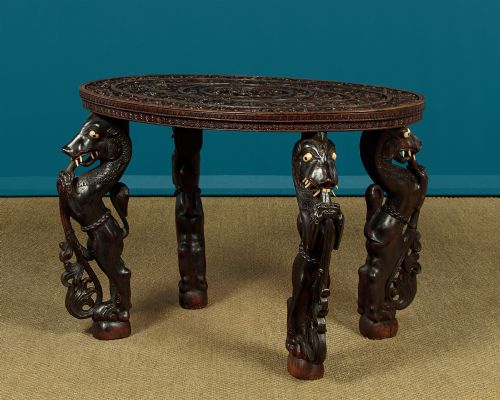
Decoration involved intricate techniques such as bone inlay, brass wire inlay, and surface carving depicting dragons or elephant motifs. French examples incorporated marquetry patterns, while Anglo-Indian and Hoshiarpur pieces utilised dense geometric or figurative carving across the entire surface.
Vintage Rosewood Coffee Table Retail Price Guide 2026
Typical asking prices for vintage rosewood coffee table among the pieces listed under this phrase on Sellingantiques today, from the lower quarter to the upper quarter. They describe what is for sale here now, not the wider market.
Several tables feature carved elephant legs that support the top surface with solid wooden trunks.
Distinctions in execution and finish
Quality separates pieces through the precision of the inlay work and the depth of the hand carving. Fine examples display intact bone or brass elements flush with the surrounding rosewood grain, alongside crisp relief carving on legs and aprons.
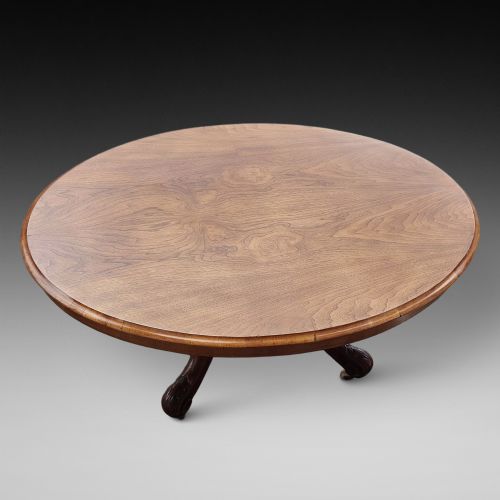
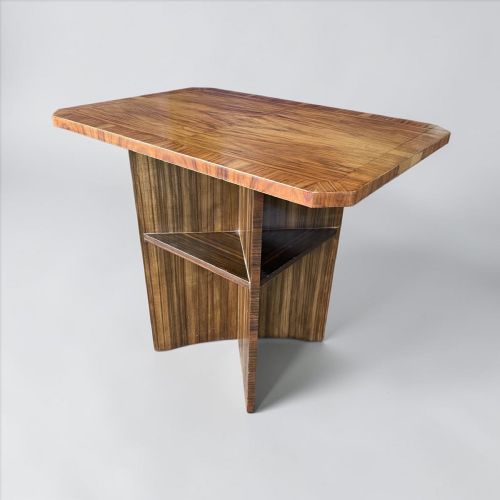
The selection of timber grain defines the visual success of the top surface, particularly in marquetry and veneered tables. Superior execution shows thoughtful book-matching or figured rosewood selection that remains stable across the joints.
Liberty & Co·Majorelle
The Vintage Rosewood Coffee Table Glossary
- Quartetto
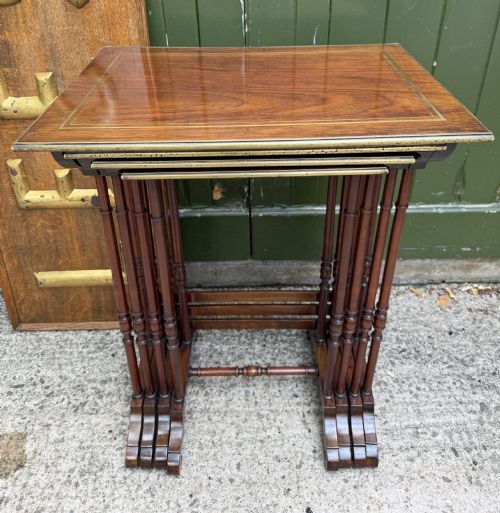
- A set of four graduated nesting tables designed to slide neatly beneath one another. These sets appeared frequently in Regency and nineteenth-century English furniture production.
- Opium table
- A low-profile surface traditionally used in Chinese domestic spaces for dining or smoking. Modern buyers utilise them as low coffee tables.
- Marquetry
- The art of applying pieces of veneer to a structure to form decorative patterns. French pieces often employ this technique on square or circular table tops.
- Hoshiarpur
- A North Indian centre known for intricate wood carving and bone inlay. Tables from this region feature dense floral and geometric patterns.
- Ebonised
- Wood finished to resemble ebony through staining or painting. Several Indian tables on this page use this dark treatment alongside inlay.
Vintage Rosewood Coffee Table: Frequently Asked Questions
How do I style a low rosewood table?
Pair low Chinese or Indian tables with upholstered seating that matches their lower profile. Keep surface objects minimal to let the carved wood grain or bone inlay remain visible.
Position nesting tables together as a single surface or separate them around a room when hosting guests. Their varied heights accommodate different seating arrangements easily.
What is a quartetto nest?
A quartetto nest comprises four tables built to slide inside one another in descending order of size. Nineteenth-century makers designed them to save space in smaller drawing rooms.
Purchasing a complete set ensures matching rosewood grain and consistent brass inlay across all four surfaces.
Where were Hoshiarpur tables made?
Hoshiarpur tables originated in the Punjab region of North India during the nineteenth and early twentieth centuries. Artisans there specialised in dense geometric carving and bone inlay.
These pieces arrived in Britain via colonial trade networks, where they gained popularity in Victorian and Edwardian interiors.
How do French and Indian rosewood tables differ?
French tables from the nineteenth and early twentieth centuries typically feature smooth marquetry tops, curved cabriole legs, and refined Louis XV styling. Their aesthetic relies on geometric veneer patterns and polished finishes.
Indian and Anglo-Indian pieces focus on surface texture, employing deep relief carving, turned elephant leg supports, and contrasting bone or brass inlay.