






Vintage Rocking Armchair
A vintage rocking armchair offers a rhythmic seat combining vernacular woodwork with nineteenth-century comfort, ideal for relaxed sitting.
Vintage Rocking Armchair
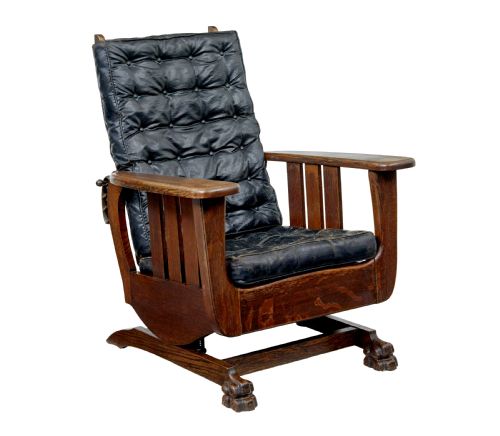
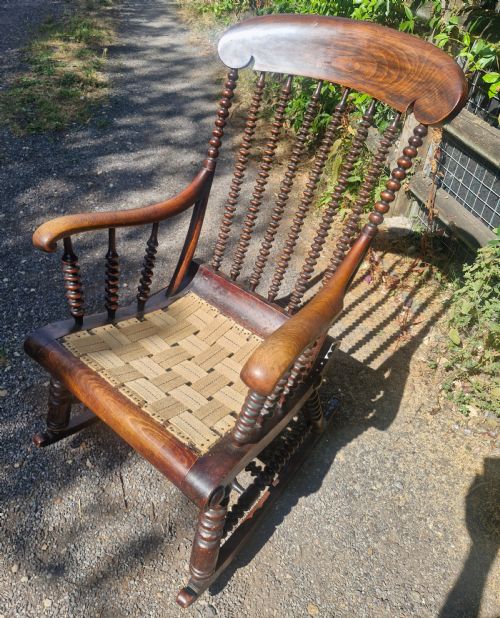
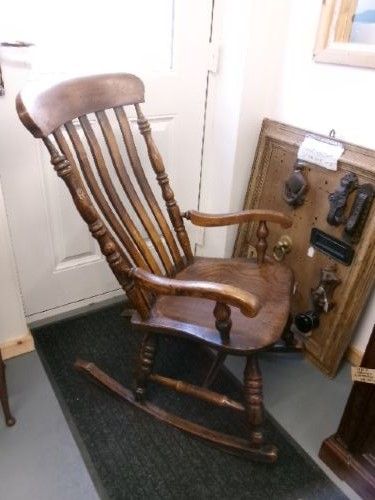
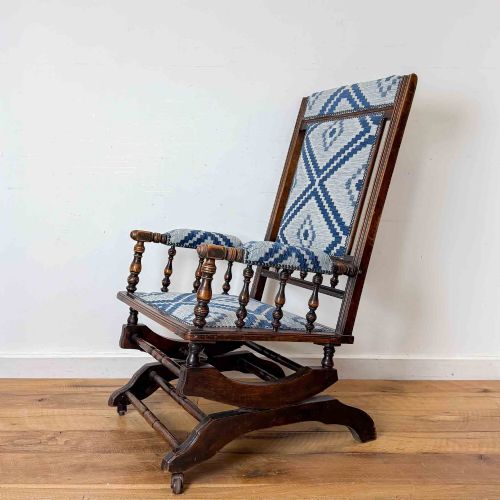
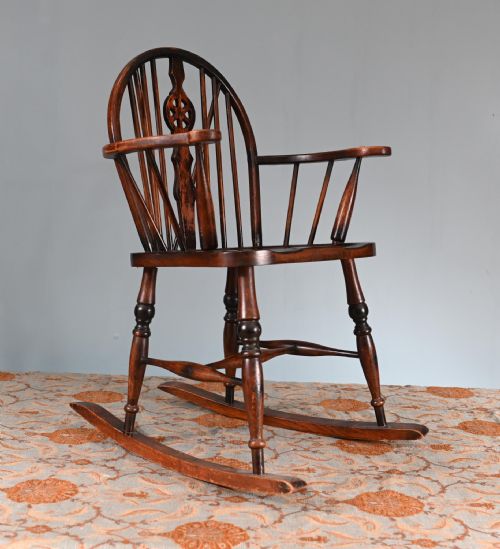
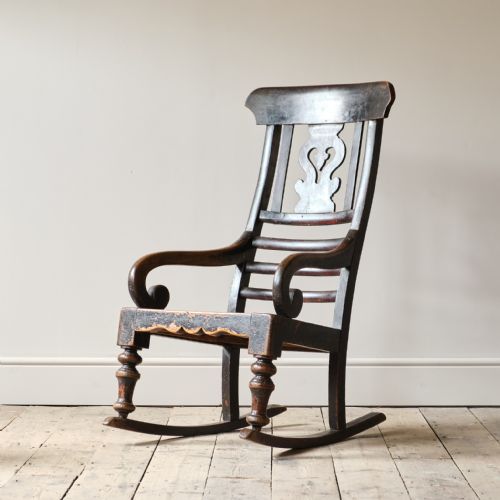
When you search for a vintage rocking armchair, you encounter a diverse range of seating originating from nineteenth-century farmhouses, Edwardian parlours, and vernacular workshops. The selection on this page bridges formal upholstered library chairs and rustic country windsor designs, often combining sturdy armrests with curved rockers.
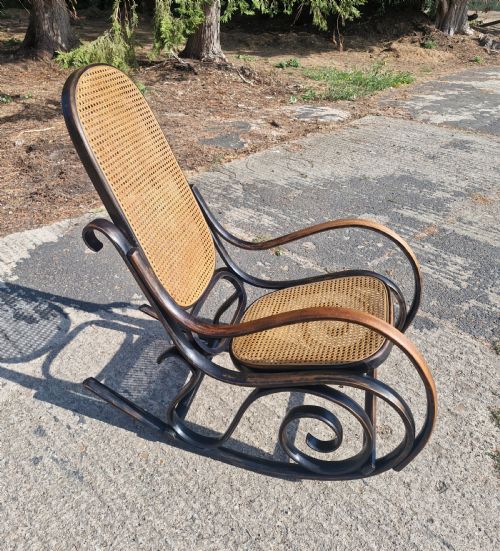
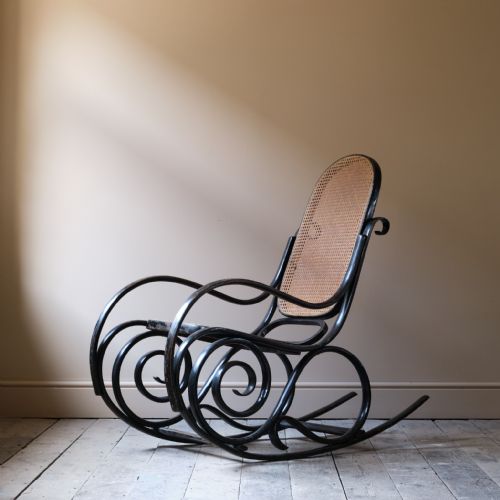
You are most likely to meet beech, elm, and oak timber frames, alongside bentwood models and lighter occasional chairs. These pieces span periods from the late eighteenth century through the Edwardian era, featuring spindle backs, wheelbacks, and button-backed upholstery.
Construction and Materials
Cabinetmakers and country joiners utilised solid hardwoods like beech, oak, and elm for structural stability, shaping spindles and steam-bending wood for frames. Bentwood examples rely on heated timber forced into sweeping curves, while vernacular pieces employ traditional pegging and jointing.
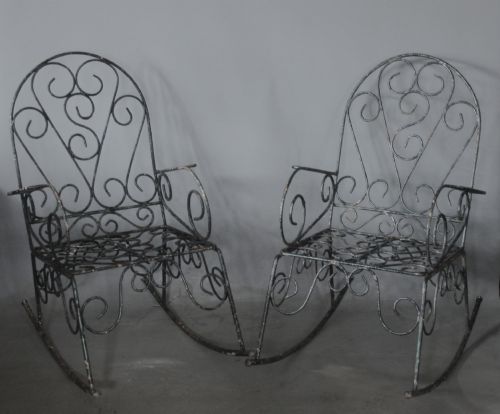
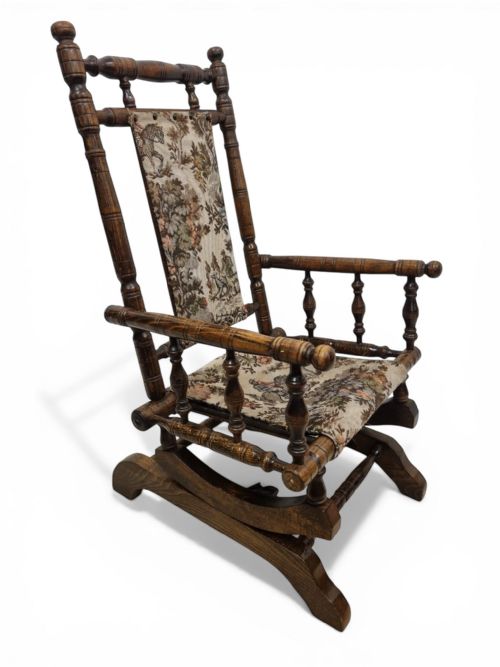
Surfaces receive various treatments, ranging from original paint and polished mahogany to applied cane, sea grass, leather, and tapestry upholstery. Brass fittings and wrought iron also appear in specific garden and occasional variations.
Vintage Rocking Armchair Retail Price Guide 2026
Typical asking prices for vintage rocking armchair among the pieces listed under this phrase on Sellingantiques today, from the lower quarter to the upper quarter. They describe what is for sale here now, not the wider market.
Materials documented across these listings include beech, oak, elm, brass, leather, fabric, cane, and wood.
Distinctions in Standard
The degree of preservation in original finishes and timber patination sets examples apart, distinguishing pieces retaining untouched paint or authentic polish from those with heavy alterations. The integrity of the rocker curved base and the tightness of historical joints determine structural longevity.
Refinement in carving, the complexity of spindle turning, and the quality of upholstery materials like leather or tapestry separate standard vernacular seating from finer cabinet-made pieces.
Jacob and Josef Kohn·Thonet
The Vintage Rocking Armchair Glossary
- Windsor
- A traditional wooden chair built with a solid saddle-shaped seat into which the legs and spindle back are wedged.
- Bentwood
- Wood softened by steam and bent into curved structural forms, prominent in nineteenth-century Vienna production.
- Vernacular
- Everyday domestic furniture made by regional craftsmen using local timber traditions rather than high-style metropolitan designs.
- Bobbin framed
- Furniture constructed with decorative turnings resembling reels or spools threaded along the vertical and horizontal members.
- Spindle back
- A chair back filled with numerous thin, turned vertical wooden rods supporting the sitter.
Vintage Rocking Armchair: Frequently Asked Questions
What defines a vintage rocking armchair?
A vintage rocking armchair is a seat mounted on curved wooden or iron rockers, designed to move back and forth while providing arm support.
These chairs emerge in various regional styles, from country windsor forms to bentwood and upholstered Edwardian designs.
How do I identify a nineteenth-century piece?
Nineteenth-century pieces often display traditional joinery methods, hand-turned spindles, and native timbers such as beech, elm, or oak.
Examining the wear on the rocker bases and the type of finish helps determine the age and vernacular origin.
Were these chairs used outdoors?
Most variants are intended for interior domestic use in parlours, nurseries, and farmhouse sitting rooms.
Specific examples constructed from wrought iron are designed for garden environments.
What is bentwood construction?
Bentwood construction involves steaming solid timber until pliable, allowing craftsmen to bend the material into smooth, continuous curves.
This technique produced lightweight yet resilient frames popular in nineteenth-century European seating.