


Vintage River Wall Art
Vintage river wall art brings tranquil waterways and historic maritime scenes into interior spaces through authentic period paintings and prints.
Vintage River Wall Art
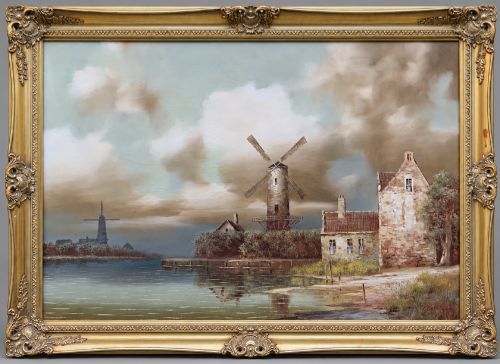
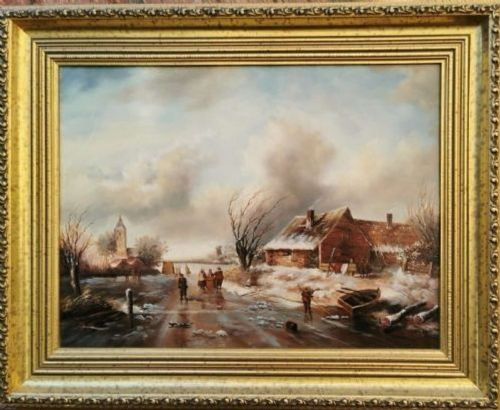
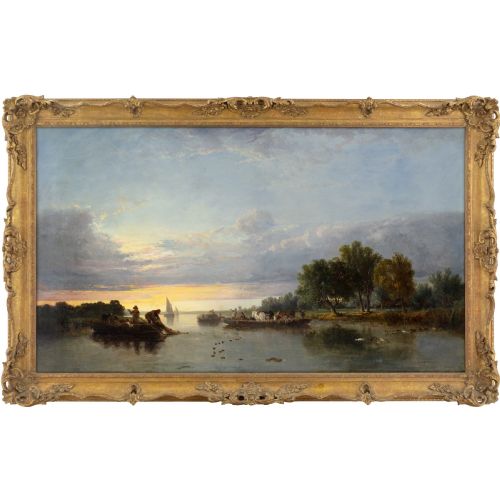
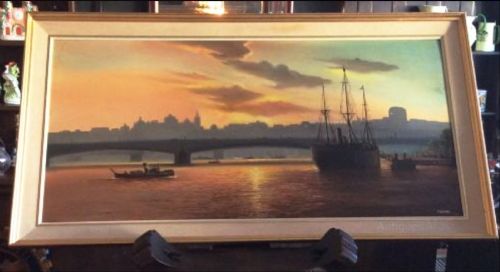
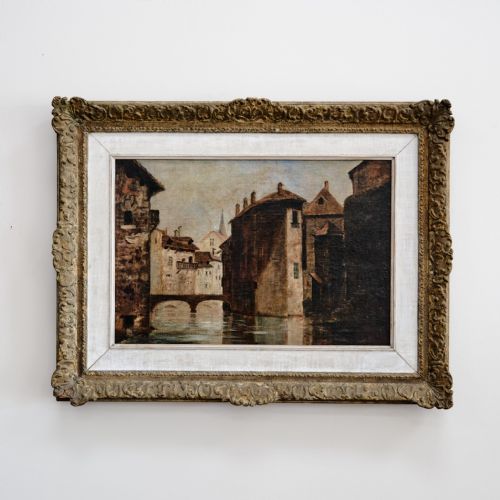
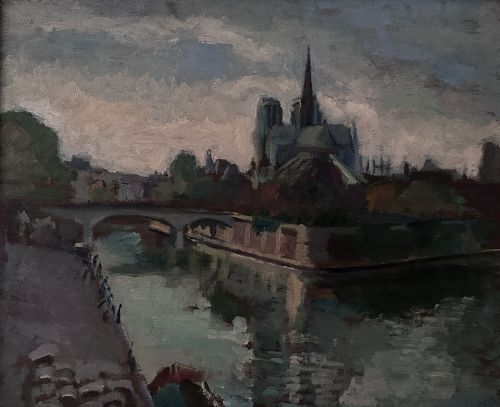
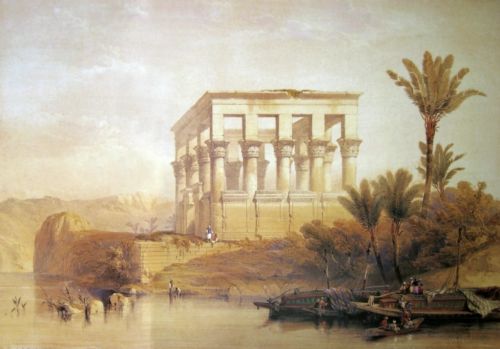
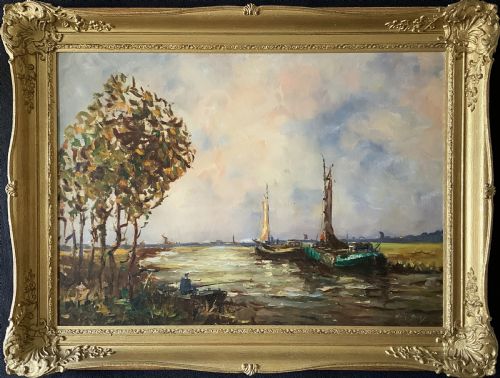
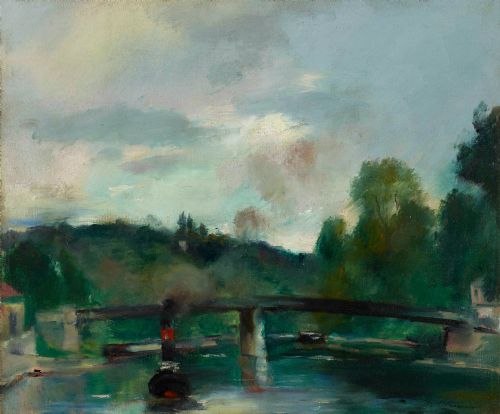
Vintage river wall art encompasses original oil paintings, watercolours, etchings and lithographs depicting pastoral streams, bustling canals and urban waterways. Buyers seek these pieces to introduce a sense of historic atmosphere and natural movement into rooms through depictions of recognisable rivers such as the Thames, the Seine and the Tees.
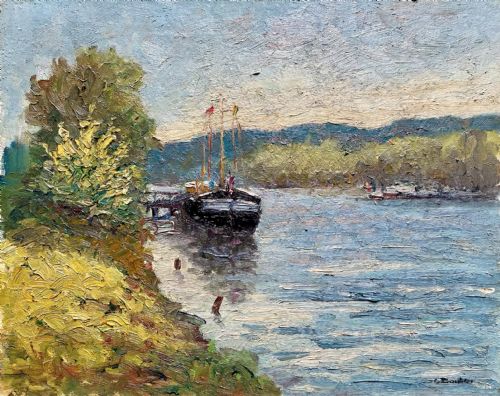
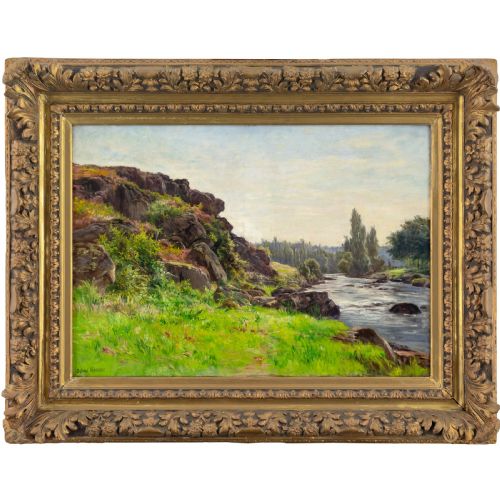
The selections available here span from the nineteenth century through the Edwardian era and into mid-century modern interpretations. Works range from detailed maritime shipping scenes and architectural bridge views to quiet rural fishing spots rendered in impressionist and traditional academic styles.
Most examples originate from British and European artistic traditions, capturing local topography alongside idealised romantic landscapes. These varied formats provide collectors with flexible options for wall display, from intimate watercolours to large panoramic oil canvases.
Materials and construction
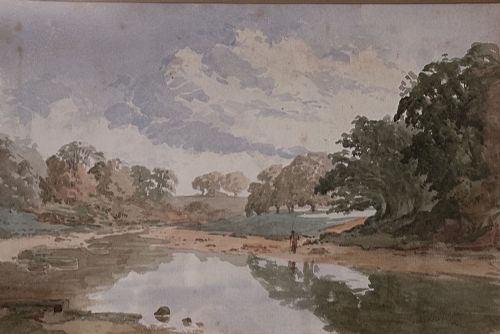
Artists executed these works using oil paint applied to canvas, wood panel or board, alongside delicate watercolours and gouache on paper. Ground layers and canvas supports frequently reflect nineteenth and twentieth-century workshop practices, occasionally featuring later conservation interventions such as canvas laid onto board.
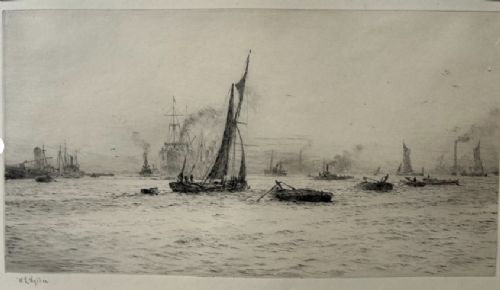
Printmakers utilised techniques including copperplate etching and lithography to produce detailed topographical editions. Frames often incorporate traditional wood mouldings finished with gesso and gilt highlights, complementing the depth of the painted surfaces.
Listings feature works from the 19th century, Edwardian era, and mid-20th century, utilising oil, watercolour, and etching techniques.
Evaluating quality and execution
Quality rests upon the artist's handling of light, atmospheric perspective and spatial depth within the composition. Masterly brushwork and confident line work distinguish accomplished professional output from competent amateur recordings of scenery.
Condition remains central, determined by the stability of the paint layer, freedom from heavy craquelure, and the preservation of original paper or canvas supports. Furthermore, strong provenance and documented attribution to recognised painters elevate the standing of individual works.
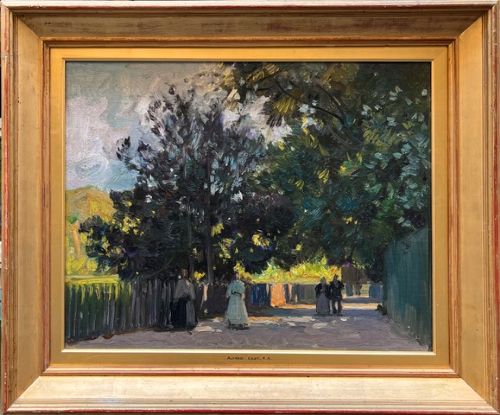
Alfred Young Nutt·William Lionel Wyllie·David Roberts·Sir Alfred East·Thomas Bush Hardy
The Vintage River Wall Art Glossary
- Etching
- A printmaking technique where lines are bitten into a metal plate with acid before being inked and pressed onto paper. This process allows for fine, highly detailed linear work.
- Impasto
- Paint applied thickly to a canvas or panel so that it stands out from the surface. This technique preserves the physical gesture of the brush and catches ambient light.
- Gesso
- A white paint mixture consisting of a binder mixed with chalk, gypsum, or pigment. It serves as a preparatory layer for wood panels and picture frames.
- Provenance
- The chronological ownership history of a work of art. Documented records help verify authenticity and establish the timeline of a piece.
- Gouache
- An opaque water-based paint type featuring larger pigment particles than watercolour. It produces a dense, flat colour application.
Vintage River Wall Art: Frequently Asked Questions
How do I identify the period of a river painting?
Examine the materials, stretcher construction, and framing techniques alongside stylistic clues in the clothing or architecture depicted. Pigment analysis and canvas stamps can offer additional chronological confirmation.
Compare the brushwork and subject matter against known movements like Impressionism or the nineteenth-century British school to narrow down the decade of creation.
Were these artworks originally framed?
Most professional paintings and watercolours received contemporary frames designed to protect the edges and complement the composition. Gilt and wood mouldings changed in profile across the Victorian and mid-century periods.
Surviving original frames provide valuable historical context, though many older pieces have undergone reframing over the decades.
How should I care for vintage oil and watercolour art?
Keep works away from direct sunlight and dramatic fluctuations in temperature and humidity to prevent canvas warping and paper degradation. Glazed watercolours benefit from UV-filtering glass to protect fugitive pigments.
Dust surfaces gently with a soft, dry brush and avoid chemical cleaners or moisture on exposed paint layers.
What is the difference between an oil painting and a watercolour?
Oil paintings use slow-drying pigments suspended in drying oils applied to canvas or wood, allowing for rich textures and deep colour blending. Watercolours combine water-soluble pigments on paper, producing transparent washes and luminous highlights.
Oils generally require sturdy wooden supports and framing without glass, whereas watercolours need protective glazing to prevent moisture damage.