




Vintage River Scene Picture
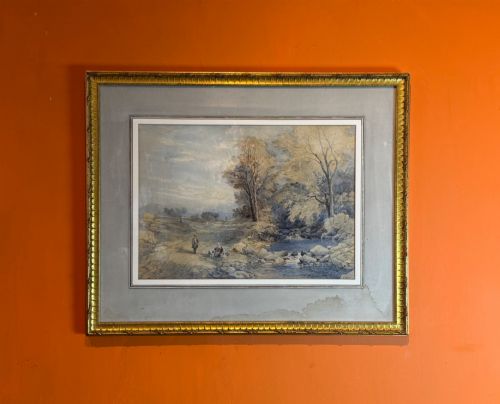
A vintage river scene picture brings water, light and quiet movement into a room through oil, watercolour and pastel.
Vintage River Scene Picture
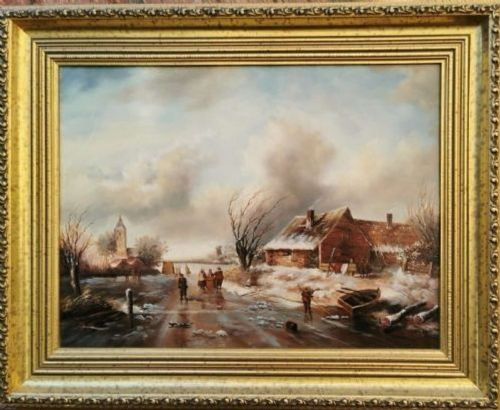
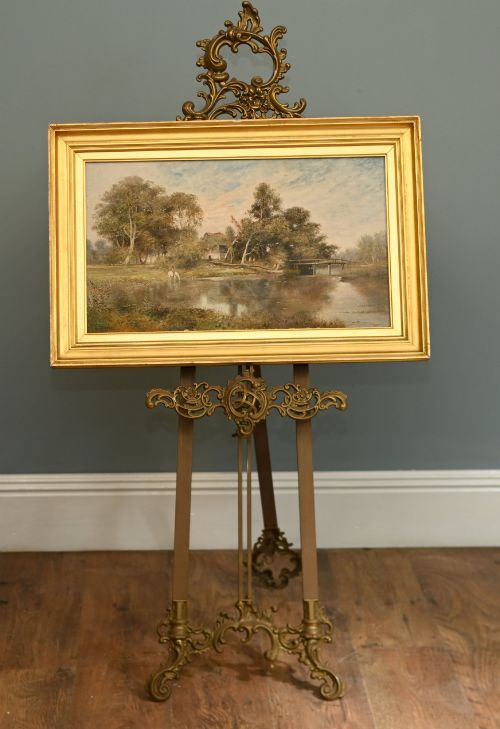
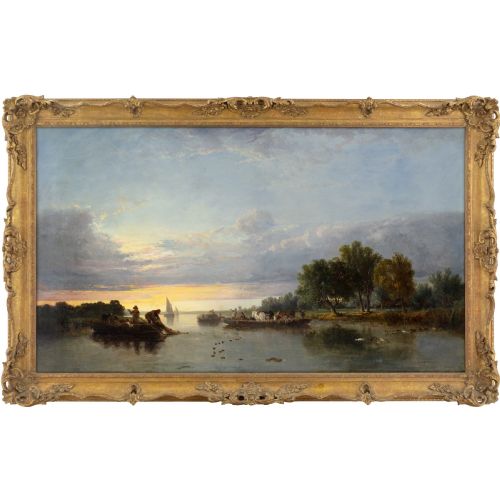
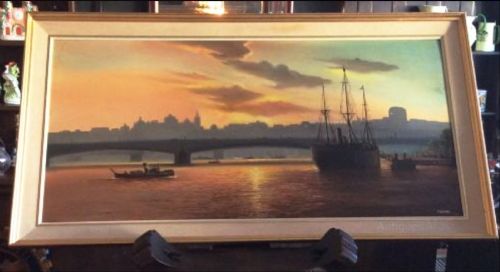
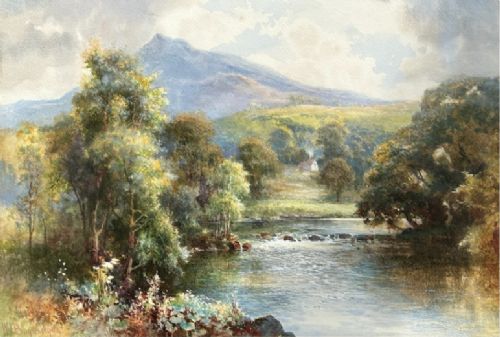
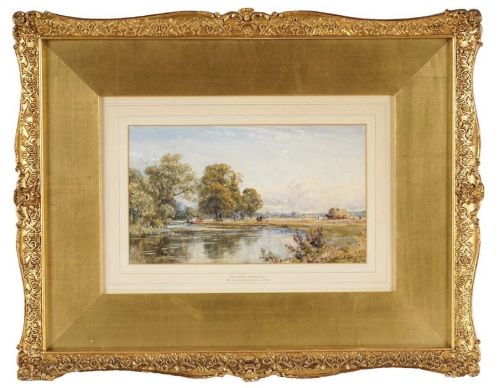
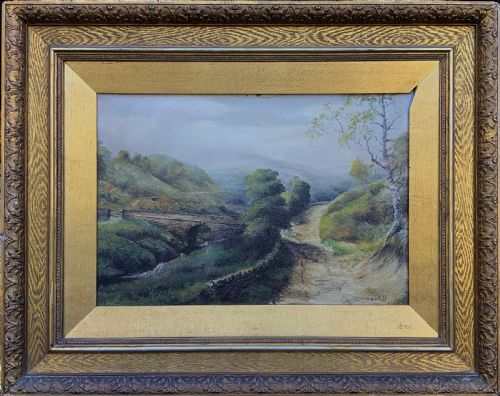
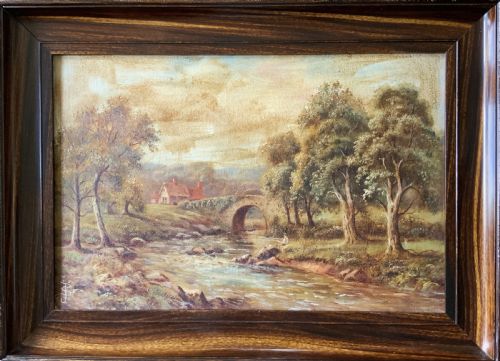
A vintage river scene picture captures waterways, bridges and banks across oil paintings, watercolours, pastels and framed prints. These works range from late Victorian watercolours of English rivers to mid-century oil paintings of European waterways.
The version most commonly met on this page is the framed landscape on canvas, board or paper, spanning the nineteenth century through the mid-twentieth century. Artists frequently depicted specific locations such as the Thames, Welsh rivers and French canals.
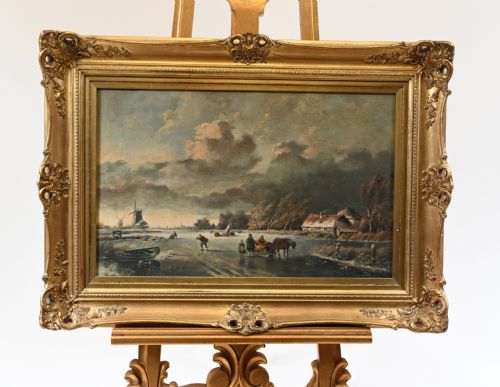
Subjects stretch from busy maritime shipping pools and panoramic bridges to quiet country streams, forestry paths and frozen winter scenes. Works appear signed by listed painters or executed within particular national schools.
How they were made
Artists built these works using oil paint on canvas or wood panel, watercolour and pastel on paper, and textured print methods. Oil paint allowed rich layering of tone for water reflections and skies, while watercolour offered translucent washes suited to light on rivers.
Support materials include prepared canvas, sturdy wood panels, heavy art paper and card. Many pieces retain their period wooden frames, occasionally accented with gilt mouldings that frame the composition.
Listings feature works in oil, watercolour, pastel and print across the nineteenth and twentieth centuries.
What varies in quality
Quality rests in the handling of light on water, brushwork confidence and depth of perspective. Superior works capture atmospheric conditions and movement with economy and precision.
The strength of the composition and the fidelity of the palette distinguish finer paintings from routine decorative scenes. Works by accomplished landscape artists show assured control over tone and proportion.
Kenneth Cozens·Alfred Young Nutt·William Joseph Boyes·Sydney Yates Johnson·Hubert Wellington·Arthur Herbert Rigg·Ron Folland·Frank Hider·Leslie Rackham·Charles Harmony Harrison·Claude Cardon·Pieter Cornelis Steenhouwer·Frank W Scarborough·Edmond Defonte·Robert Winchester Fraser·EW Haslehurst·George Turner
The Vintage River Scene Picture Glossary
- Watercolour
- A painting method where fine pigment is suspended in water-soluble binder and applied to paper. It creates translucent layers ideal for capturing shimmering river surfaces.
- Oil on Canvas
- Pigment mixed with drying oil applied to a woven fabric stretched across a wooden frame. This medium permits thick impasto textures and deep colour saturation.
- Impressionist
- A style focusing on the visual impression of the moment, particularly shifting light and open-air conditions. Painters employ visible brushstrokes and bright palettes.
- Board
- A rigid flat panel made of wood, pulp or composition material used as a painting support instead of stretched canvas. Artists often utilised panels for smaller plein air works.
- Pastel
- A dry medium of powdered pigment and binder formed into sticks. It produces velvety surfaces with soft colour transitions.
Vintage River Scene Picture: Frequently Asked Questions
How do I date a river landscape painting?
Dating relies on costume in any figures, architectural details on bridges, artist signatures, and framing materials. Canvas stamps and paper watermarks also offer clues.
Style provides further direction, as nineteenth-century realism differs noticeably from mid-century impressionist or modern interpretations.
Where should I hang a river painting?
These works suit spaces where calm focal points function well, such as living rooms, studies or hallways. Natural indirect light helps illuminate the subtle tones of oil and watercolour.
Keep pieces away from direct heat sources and strong sunlight to protect paper supports and pigment integrity.
What is plein air painting?
Plein air refers to the practice of painting outdoors directly in front of the subject. Artists captured natural light and changing weather on rivers as they happened.
This method often resulted in lively brushwork and immediate atmospheric effects.
How do I care for antique works on paper?
Watercolours and pastels require conservation-grade framing behind glass to prevent atmospheric damage. Avoid damp environments and fluctuating temperatures.
Displaying pieces out of direct sunlight preserves the fugitive pigments often found in older watercolours.