



Vintage River Art
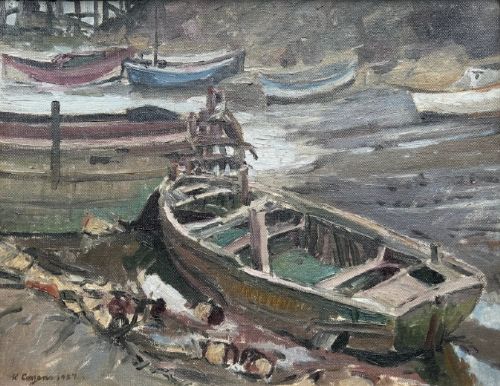
When you search for vintage river art, you find oil paintings, watercolours, and prints capturing waterways from the nineteenth century to the mid twentieth century.
Vintage River Art
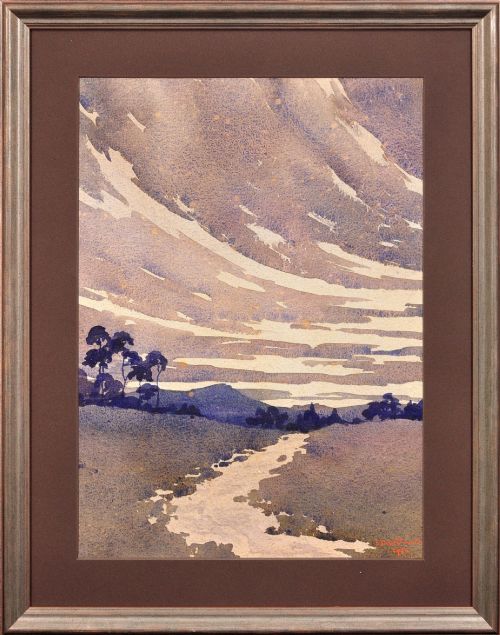
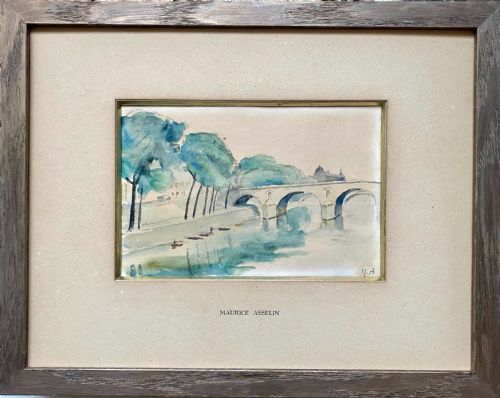
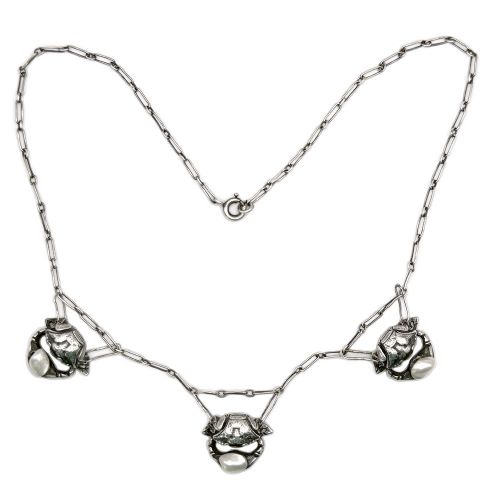
Vintage river art encompasses oil paintings, watercolours, etchings, and lithographs depicting pastoral streams, bustling ports, and tidal reaches. The selections span Victorian landscapes, Edwardian river paths, and mid twentieth century canal scenes across Britain, France, and the Netherlands.
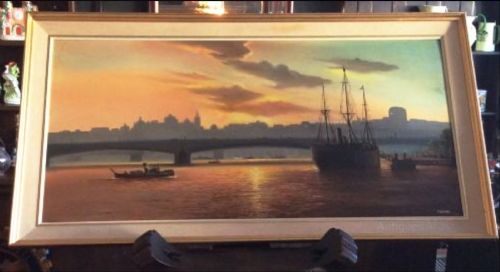
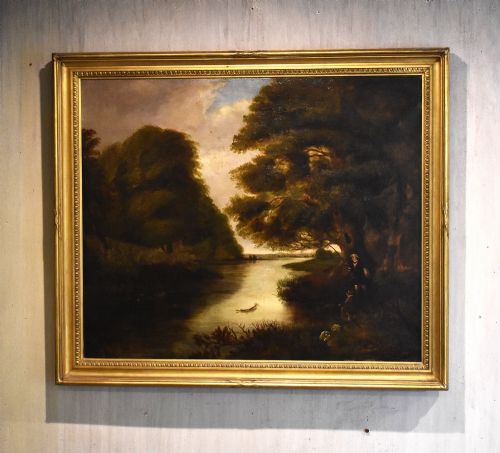
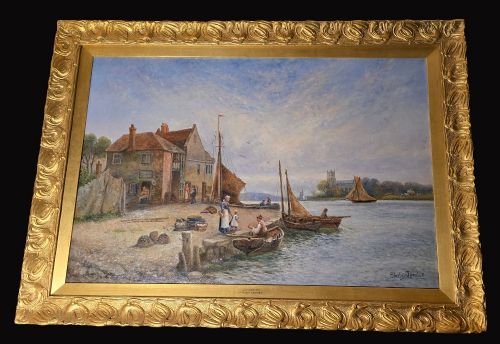
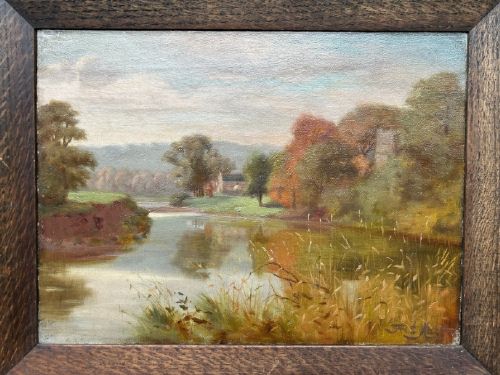
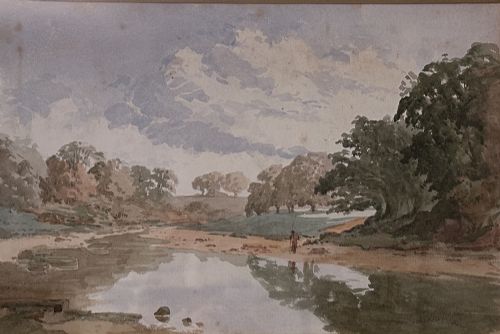
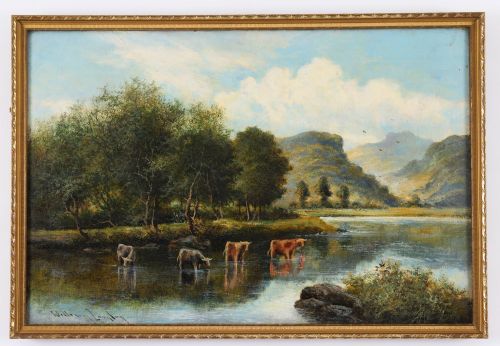
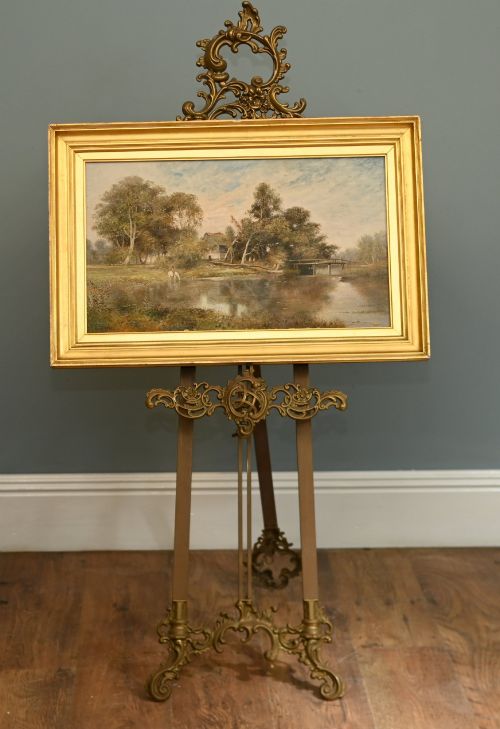
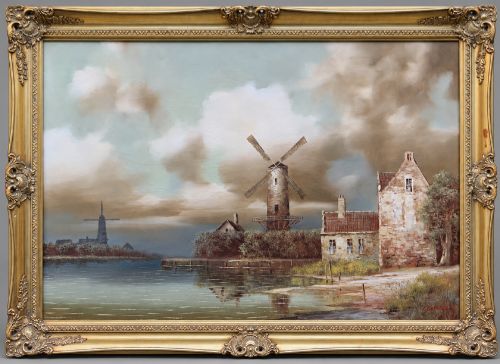
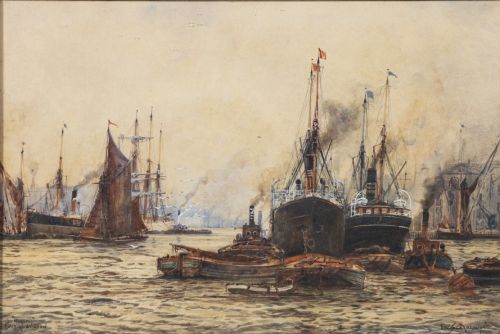
Buyers encounter rural scenes of figures fishing under willow trees alongside panoramic marine views of the Thames and the Seine. These works record historic waterways, bridges, and maritime life through various regional European schools.
How they were made
Many works utilise oil paint applied to canvas, wood panels, or board, often paired with gesso grounds. Watercolours on paper and pencil-signed etchings also appear regularly across the period.
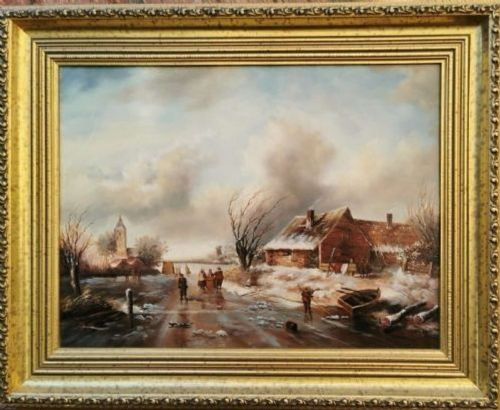
Makers employed traditional framing materials including gilt woodwork. Supporting media range from opaque gouache to lithography printed on paper.
Vintage River Art Retail Price Guide 2026
Typical asking prices for vintage river art among the pieces listed under this phrase on Sellingantiques today, from the lower quarter to the upper quarter. They describe what is for sale here now, not the wider market.
Listings include oil on canvas, watercolours, etchings, and lithographs spanning the nineteenth and twentieth centuries.
What varies in quality
Quality rests in the handling of light, water reflections, and atmospheric perspective by the artist. Stronger pieces display confident brushwork and secure composition rather than formulaic execution.
The choice of support and medium influences depth, with oil on canvas and detailed watercolours offering different visual textures. Preserved signatures and documented provenance add further distinction.
Stanley Leader·William Langley·Henry Miault·Kenneth Cozens·George Graham·Alfred Young Nutt·Frederick Marriott·Gabriel Mathieu·William Lionel Wyllie·Frank William Scarbrough·Robert Thorne Waite·David Roberts·Cyril Walduck Edwards·Willem Bos·Henri Ottmann·Sir Alfred East·Cecil Allan Mould·Herbert Royle·Sydney Yates Johnson·Hubert Wellington·Archibald Kay
The Vintage River Art Glossary
- Canvas
- A heavy woven fabric stretched across a wooden frame to serve as a support for oil paintings. It provides a flexible and textured surface for brushwork.
- Gesso
- A plaster mixture applied to wood panels or canvas to prepare a smooth surface for painting. It seals the support and holds the paint layers.
- Etchings
- Prints produced by incising lines into a metal plate with acid before applying ink and pressing onto paper. This technique creates fine, sharp linear details.
- Lithograph
- A print made by drawing on limestone or metal with a greasy medium and applying ink to the damp surface. It captures tonal gradations cleanly.
- Watercolour
- Paint made from pigments suspended in a water-based solution, typically applied to paper. It relies on the white of the paper to show luminosity.
Vintage River Art: Frequently Asked Questions
What periods do these river artworks cover?
The works span from the nineteenth century through the Edwardian era up to the mid twentieth century. Pieces reflect Victorian naturalism, British impressionism, and post-impressionist movements.
Dates range from early nineteenth century lithographs to mid twentieth century oil paintings on canvas and board.
How should I display river art?
Oil paintings on canvas and wood panels suit traditional or contemporary wall displays in living spaces. Watercolours and etchings on paper require placement away from direct sunlight to protect the pigments.
Matching the frame style, such as gilt wood, to the period of the artwork helps preserve its historic character.
Are these works signed by the artists?
Many pieces feature artist signatures, inscriptions, or pencil signatures on etchings. Documentation often identifies the specific river location, such as the Thames, the Seine, or northern waterways.
Unsigned works are frequently attributed to specific regional schools or the manner of known painters.
What subjects appear in these paintings?
Common subjects include rural riverbanks with figures fishing, industrial ports, bridges, and Dutch windmills. Scenes capture specific locations from London to Normandy and the Netherlands.
Artists recorded both tranquil pastoral streams and busy maritime traffic under various seasonal conditions.