



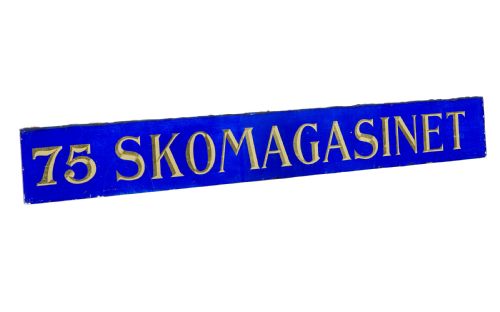
Vintage Reverse Glass Painting
A vintage reverse glass painting brings a glossy, luminous depth to a wall that standard canvas simply cannot match.
Vintage Reverse Glass Painting
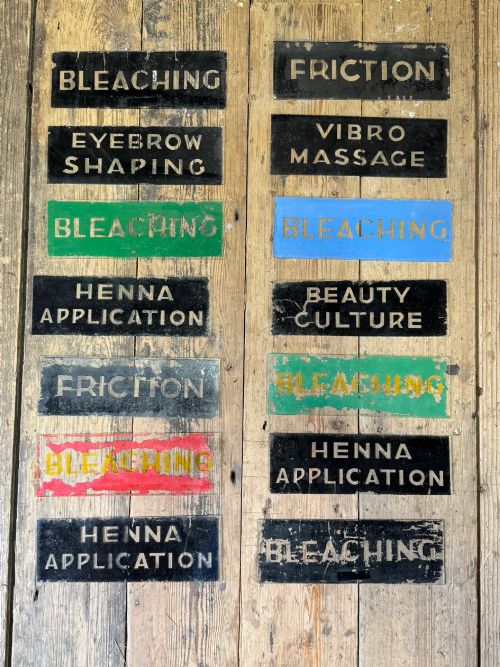
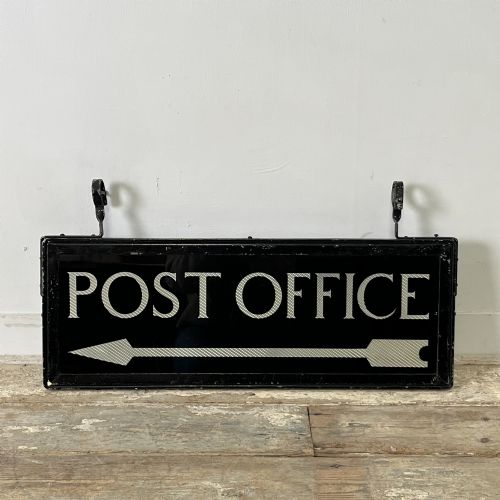
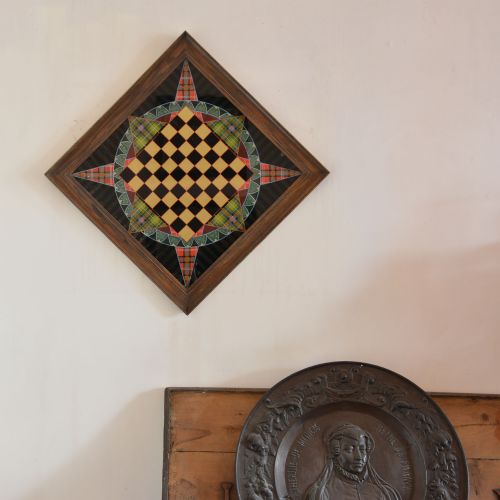
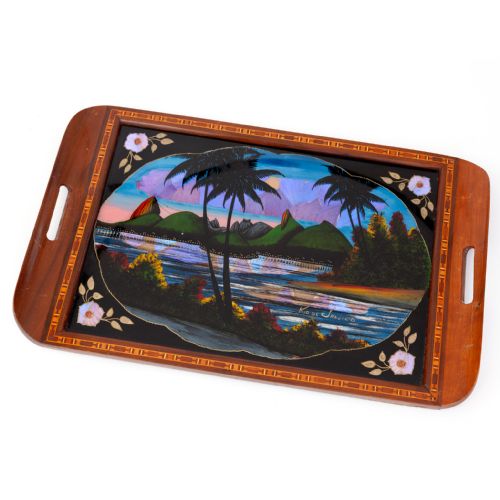
When you search for a vintage reverse glass painting, you enter a diverse field spanning framed art, shop signs, mirrors, and games boards.
The pieces on this page draw from periods ranging from Georgian and Victorian eras through to the early decades of the twentieth century, encompassing styles such as Art Deco, Edwardian, and Victorian folk art.
You will encounter everything from delicate portrait prints and equestrian subjects to trade signage and decorative boards, reflecting varied global origins including Britain, China, Japan, and continental Europe.
Materials and technique
Makers produced these works by painting or printing directly onto the rear surface of a glass sheet, meaning details applied first appeared at the front while background layers followed behind.
Artists utilised oil paint, enamel, and paper elements, often incorporating gold leaf or silvering to catch the light through the transparent medium.
Finished plates found themselves secured within wooden frames, gilt wood surrounds, or maple structures, occasionally accompanied by backing materials to protect the delicate pigments.
The selection includes items utilising paint, gold leaf, and enamel on glass, housed in maple and gilt wood frames.
Distinctions in quality
Quality rests heavily on the crispness of the underlying technique, whether an artist executed fine brushwork by hand or applied a printed mezzotint layer.
The preservation of the metallic leaf and the stability of the paint behind the glass dictate the visual strength of the piece over time.
Original framing and the retention of authentic backing boards or period hardware elevate an object's integrity considerably.
Takabatake Kasho·W. Bishop·Schweninger
The Vintage Reverse Glass Painting Glossary
- Eglomise
- A decorative technique involving the application of gold or silver leaf to the reverse of glass, combined with etching and painting.
- Crystoleum
- A Victorian method of applying a coloured photograph or print face-down onto glass, removing the paper backing, and hand-tinting the reverse.
- Reverse Mezzotint
- A print process transferred to glass and worked in reverse to achieve deep tonal contrasts and rich shadows.
- Essex Crystal
- A convex rock crystal carved and painted on the flat reverse side to create a three-dimensional miniature scene, often mounted in jewellery.
Vintage Reverse Glass Painting: Frequently Asked Questions
How do I clean a glass painting?
Dust the surface gently with a soft, dry cloth without pressing down on the glass. Avoid liquid cleaners entirely, as moisture can seep behind the glass and damage the paint layers.
Keep the piece away from direct sunlight and damp environments to protect the fragile pigments and metallic leaf from deteriorating.
Where should I hang these pieces?
Position them on interior walls where they receive indirect ambient light that can illuminate the reflective qualities of the glass and gold leaf. Ensure the wall brackets and fixings match the weight of the wooden frames.
Because fluctuations in temperature affect old glass and backing materials, avoid hanging them near radiators or in steamy kitchens.
How can I tell the period?
Examine the framing materials, backing boards, and the specific style of the lettering or subject matter. Georgian and Victorian examples often feature hand-beveled glass and older timber frames.
Twentieth-century pieces frequently display Art Deco typography or reflect commercial signage styles typical of the nineteen-twenties and thirties.
What is a crystoleum?
A crystoleum is a specific Victorian and Edwardian form where a paper print was glued face-down to glass, made transparent, and painted by hand from behind. This process gave flat photographs the rich appearance of miniature oil paintings.
They are distinguished by their layered construction and the translucent glow achieved through hand-tinting.