




Vintage Religious Figurine
A vintage religious figurine brings quiet reverence and deep history into a room, offering the tactile warmth of carved wood, painted plaster or cast bronze.
Vintage Religious Figurine
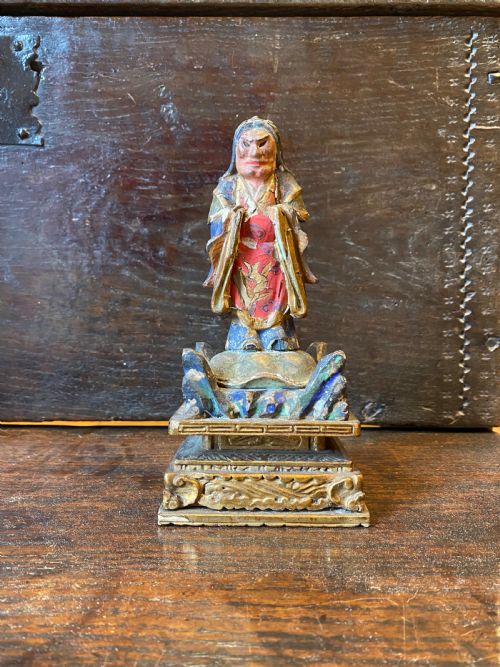
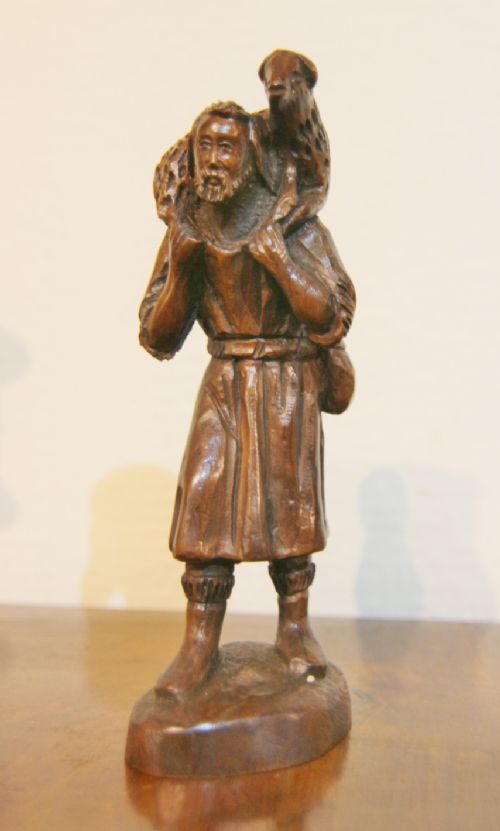
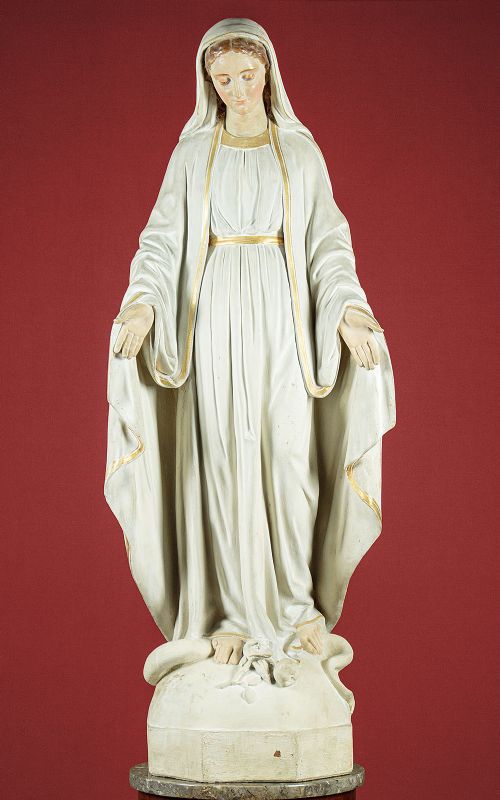
When you search for a vintage religious figurine, you encounter devotional figures, saints, deities and angels spanning several centuries. The selection ranges from devotional Italian folk art and French statuary to English porcelain figures and Asian temple bronzes.
You are most likely to meet carved wooden figures and terracotta statues dating from the nineteenth century. These objects served private prayer or ecclesiastical spaces before finding their way into domestic interiors as decorative sculpture.
The assortment encompasses diverse cultural traditions, including European folk carvings, Gothic Revival pieces and Indian bronze deities. Each piece carries the distinct stylistic markers of its period of origin, from seventeenth-century candlesticks to early twentieth-century terracottas.
How they were made
Makers shaped these devotional objects using traditional methods such as hand carving in hardwood and soft wood, often finishing the surfaces with polychrome paint. Terracotta figures were modelled in clay and fired, while bronze statues utilised metal casting techniques to capture fine detail.
Vintage Religious Figurine Retail Price Guide 2026
Typical asking prices for vintage religious figurine among the pieces listed under this phrase on Sellingantiques today, from the lower quarter to the upper quarter. They describe what is for sale here now, not the wider market.
Listings span from the seventeenth century to the twentieth century, featuring materials such as carved wood, terracotta, bronze, porcelain and plaster.
What varies in quality
The distinction between ordinary and exceptional work lies in the expressive depth of the carving and the preservation of original paint surfaces. Master carvers imbued wooden figures with naturalistic drapery and individualised facial expressions that elevate simple folk art into compelling sculpture.
Casting precision and weight separate substantial metal figures, such as solid bronze Indian statues, from lighter decorative casts. The integrity of the original polychrome surface, rather than later repaint layers, determines the historical value of wooden and terracotta pieces.
Rouillard Angers
The Vintage Religious Figurine Glossary
- Gothic Revival
- An architectural and decorative style popular in the nineteenth century that revived medieval forms. It heavily influenced ecclesiastical art and statuary of the period.
- Terracotta
- Fired unglazed clay used for sculptural figures and architectural ornaments. It provides a warm, earthy medium that readily accepts painted finishes.
- Folk art
- Artistic work created within a traditional culture by self-taught or local artisans. These pieces often display charming regional characteristics rather than strict academic proportions.
Vintage Religious Figurine: Frequently Asked Questions
What materials were these figures made from?
Makers utilised a variety of traditional materials depending on the region and period. Common mediums include carved hardwood, terracotta, cast bronze, porcelain and painted plaster.
Surfaces were frequently finished with polychrome paint to enhance the clothing and facial expressions of the saints or deities represented.
How do I identify the age of a wooden carving?
Age is determined by tool marks, wood shrinkage, style and the wear patterns on any applied paint. Seventeenth and nineteenth-century pieces display distinct hand-carving techniques and material patina.
Comparing the stylistic conventions, such as garment folds and facial carving, to documented period examples helps confirm the date.
Where were these statues originally displayed?
These figures originated in diverse settings including European churches, home altars, roadside shrines and Asian temples. Some pieces functioned as candlesticks or architectural elements within ecclesiastical spaces.
Over time, many transitioned into domestic decorative objects collected for their sculptural qualities and historical resonance.
How should I care for a painted wooden figure?
Protect wooden and painted surfaces by keeping them away from direct sunlight and stable humidity environments. Gentle dusting with a dry, soft brush preserves the delicate polychrome paint.
Avoid using liquid cleaners or chemical polishes which can damage the historic surface finishes and patinas.