


Vintage Relief Vase
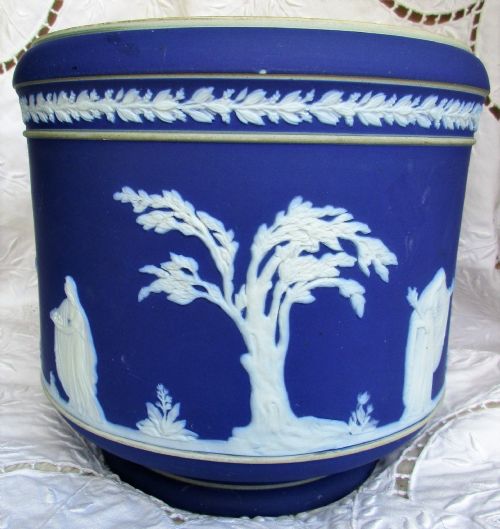
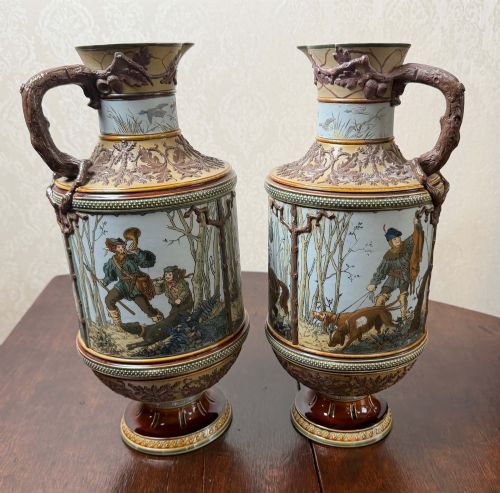
These vintage relief vases bring raised botanical and figural moulding to any room, offering tangible texture across stoneware, glass and bronze.
Vintage Relief Vase
A vintage relief vase displays raised ornamentation above the main body, using modelled, carved or applied techniques. When you search for a vintage relief vase, you find vessels spanning the nineteenth century through the art deco period.
The selection here includes earthenware, stoneware and glass vessels, alongside bronze and brass pieces. Many originate from European potteries and French glassworks, while others come from Japanese Meiji workshops and Chinese dynasties.
You meet earthenware and stoneware from Victorian and twentieth-century makers, alongside moulded glass pieces by René Lalique and cast bronze works from Japanese studios. These objects range from small cabinet vessels to large country house floor urns.
Materials and construction methods
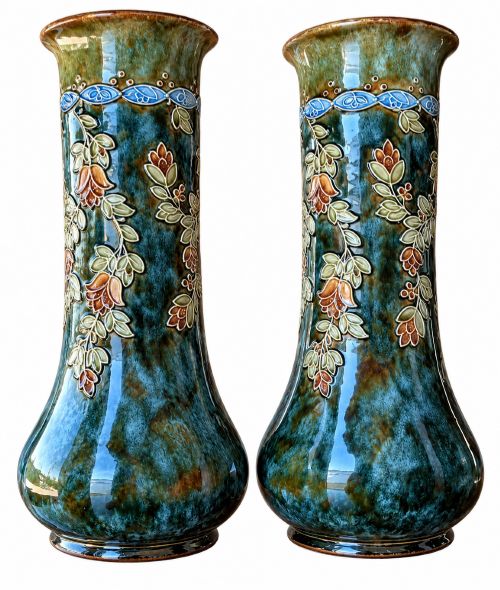
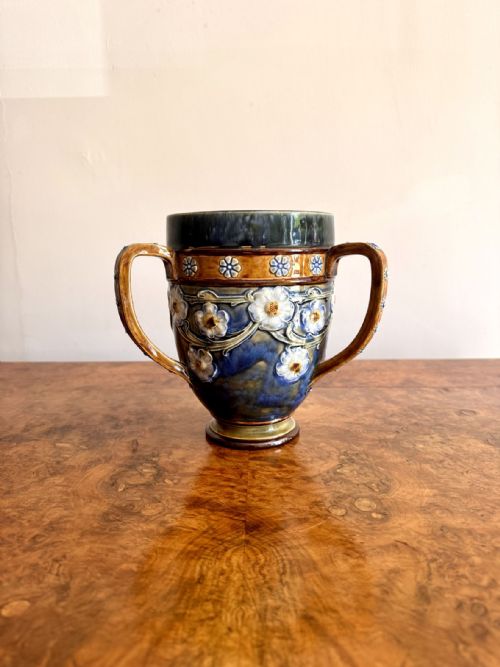
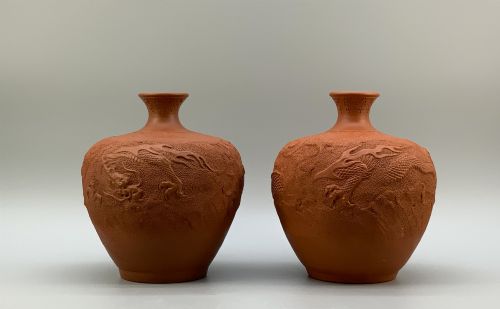
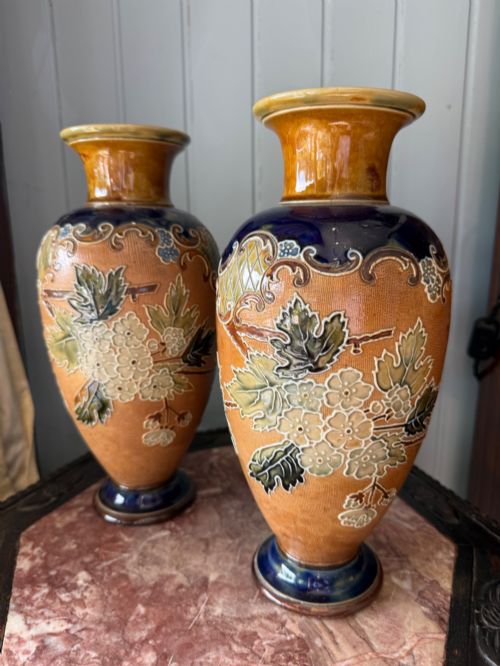
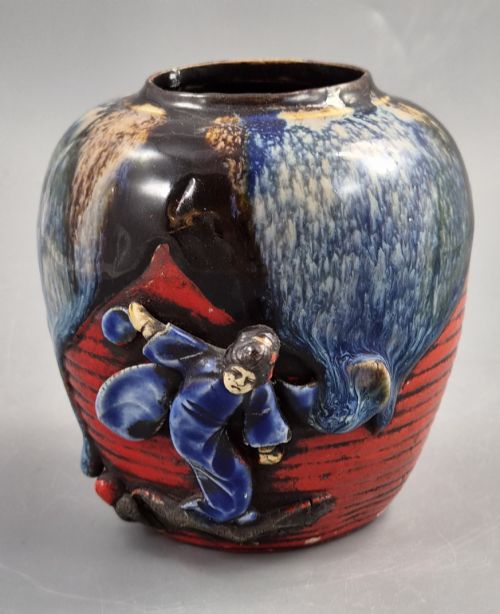
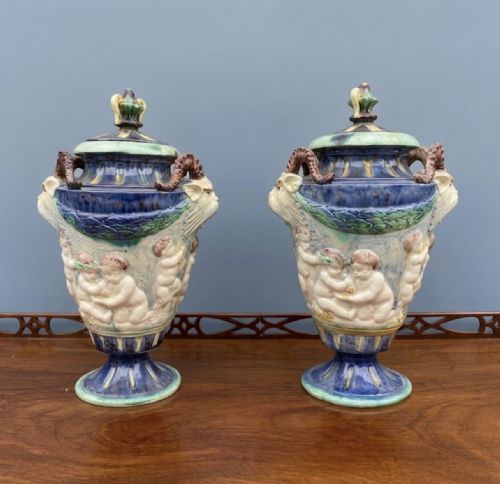
Pottery examples utilise stoneware, earthenware and red clay, often finished with glazes such as blue flambé or majolica enamel. Relief decoration on these ceramic pieces is achieved by moulding or by applying separate clay figures and floral elements directly to the body before firing.
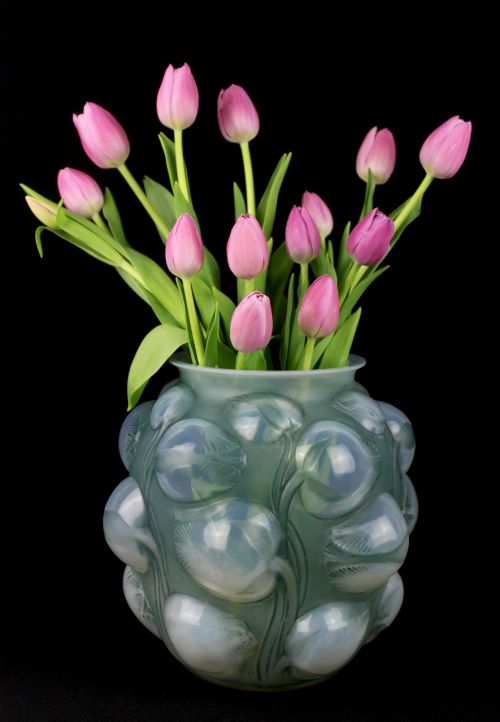
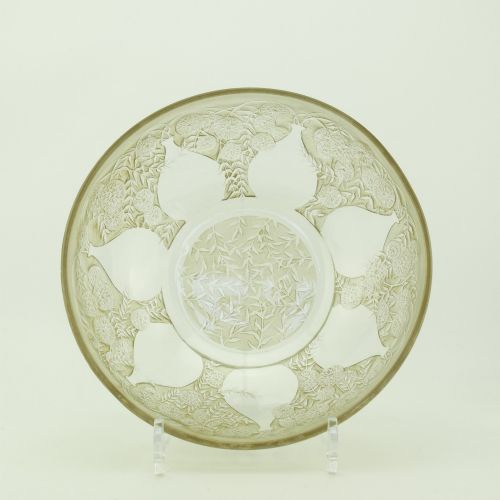
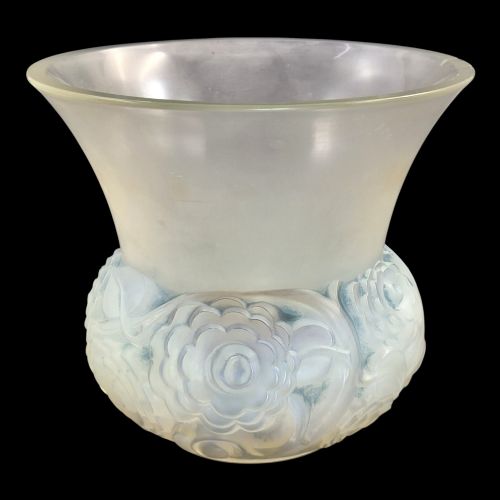
Glass vessels employ opalescent, frosted or clear glass shaped through moulding and pressing techniques. These methods allow deep relief motifs of flowers, leaves and berries to stand proud of the vessel surface.
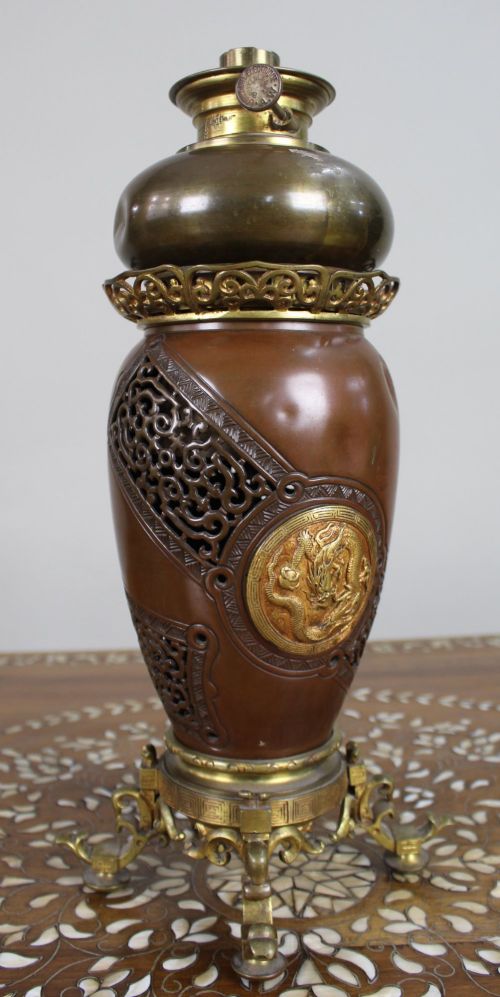
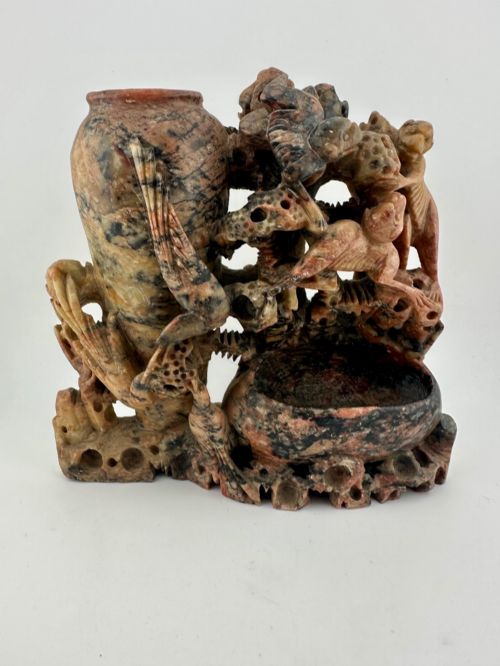
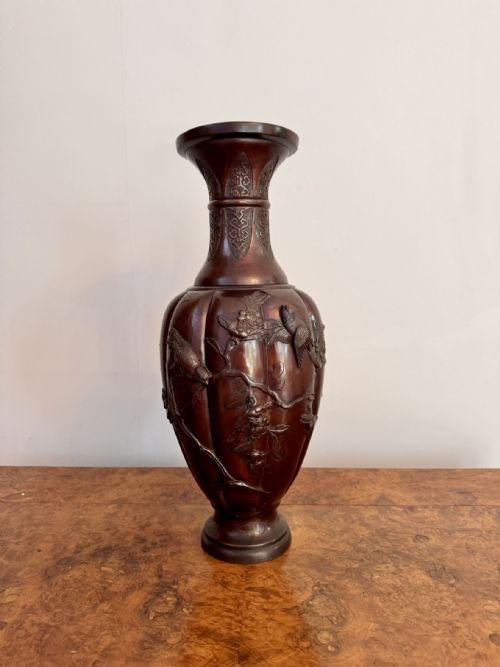
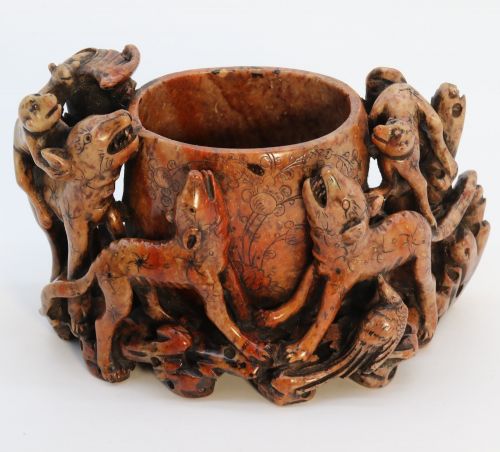
Metal items are cast in bronze, brass or pewter, showing hand-carved or chased surface details. Soapstone pieces are hand-carved to reveal layered birds, animals and scholars in high relief.
Vintage Relief Vase Retail Price Guide 2026
Typical asking prices for vintage relief vase among the pieces listed under this phrase on Sellingantiques today, from the lower quarter to the upper quarter. They describe what is for sale here now, not the wider market.
Climbing ceramic figures test gravity on Sumida Gawa jars, where sculpted characters perpetually scale the glazed walls.
Distinctions in quality
Quality rests upon the crispness and depth of the modelled, carved or applied relief work. Sharp definition in botanical motifs or figural elements separates superior pieces from softer, less detailed examples.
The integration of the glaze or finish dictates visual success across ceramic and glass forms. Even coverage on majolica or stoneware complements the underlying moulding without obscuring fine surface texture.
Maker attribution and material weight mark the upper tier of these vessels. Signed pieces by established designers and workshops carry greater sculptural presence and material substance.
Royal Doulton·René Lalique·Mougin·Makuzu Kozan II
The Vintage Relief Vase Glossary
- Relief
- Ornamentation that projects outward from a flat or curved background surface. This technique creates physical depth and shadow across the vessel.
- Opalescent glass
- Glass containing agents that create a milky, bluish translucency with warm amber highlights in transmitted light. René Lalique utilised this effect extensively in his twentieth-century designs.
- Flambé glaze
- A streaked or mottled ceramic glaze produced in a reduction kiln atmosphere. The firing creates unpredictable pools of colour, notably deep blues and reds.
- Majolica
- Earthenware covered with an opaque tin-lead glaze and painted with metallic oxide colours. The technique produces vibrant, glossy surfaces on nineteenth-century urns and vessels.
- Soapstone
- A soft, talc-based metamorphic rock easily carved into intricate miniature sculptures. Chinese scholars' objects frequently employ this material for detailed layered scenes.
Vintage Relief Vase: Frequently Asked Questions
What is a vintage relief vase?
A vintage relief vase is a vessel featuring three-dimensional decoration raised above the surface. These designs include moulded floral patterns, applied figures and carved botanical motifs.
They appear across various periods, utilising materials such as stoneware, earthenware, glass and bronze.
How are these vases decorated?
Decoration is achieved through several methods depending on the material. Ceramic pieces feature moulded patterns, hand-applied clay figures or carved soapstone.
Glass vessels use pressed moulding to create frosted or opalescent floral designs, while metal items employ casting and chasing techniques.
Where do these pieces originate?
The pieces originate from diverse international traditions spanning Europe and Asia. You find French glassworks, English potteries, French metalware and Japanese Meiji period studios.
This variety reflects global manufacturing techniques from the nineteenth century into the mid-twentieth century.
How do I style a relief vase?
These vases function as standalone decorative objects due to their textural surface detail. Place them where natural light can catch the raised moulding, opalescent glass or glazed stoneware.
They suit tabletops, shelves and mantelpieces as focal points without requiring additional floral arrangements.