


Vintage Red Vases
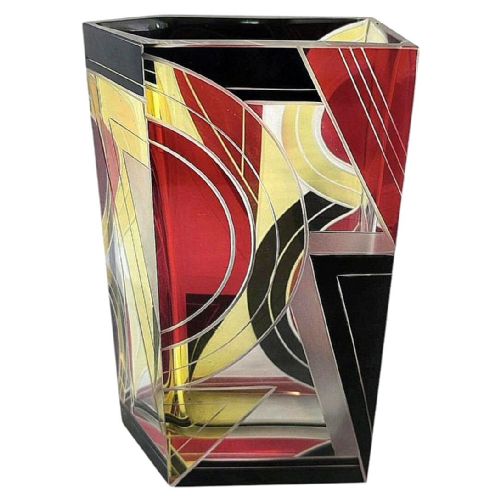
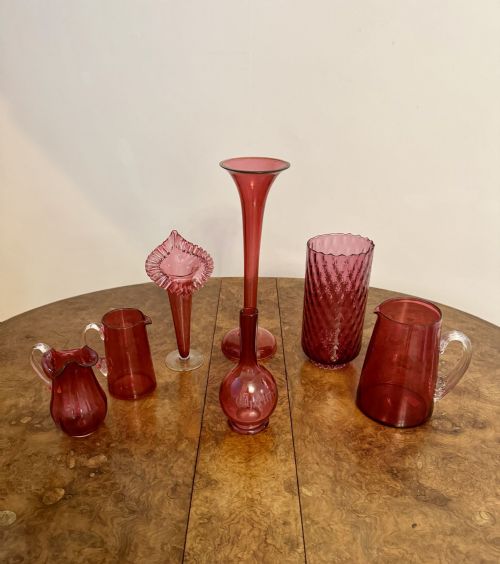
These vintage red vases span late nineteenth century ceramics to twentieth century glass, offering bold colour and tactile surfaces for decorative display.
Vintage Red Vases
Vintage red vases encompass a diverse selection of ceramic, glass, and enamel vessels originating from British, European, and Asian kilns and workshops. When searching for vintage red vases, buyers encounter various forms ranging from small cabinet pieces to large floor-standing vessels produced during the nineteenth and twentieth centuries.
The assortment on this page includes Japanese Imari porcelain, Chinese cinnabar lacquer, and English art pottery alongside continental glass and enamel works. Makers utilised rich crimson, ruby, flambé, and coral glazes to create striking visual focal points that reflect the decorative tastes of the Victorian, Art Nouveau, and Art Deco periods.
How they were made
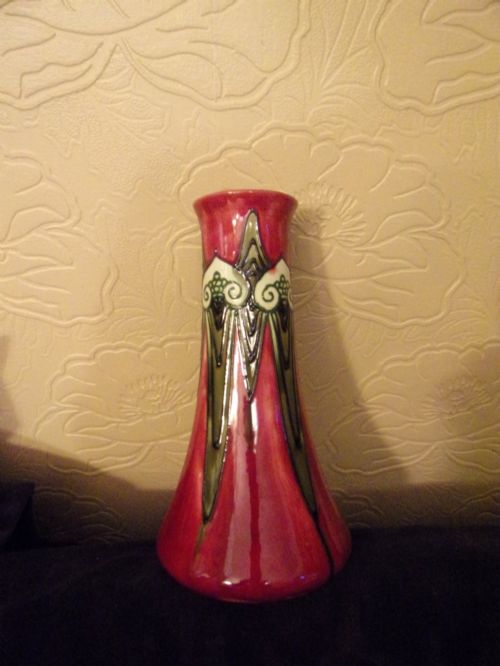
Potters and glassmakers employed techniques such as tube-lining, cameo carving, and copper-plate enamelling to achieve deep red colouration and textured surfaces. Clay bodies including porcelain, earthenware, and ironstone were shaped on the wheel or in moulds before receiving metallic oxide glazes fired at high temperatures.
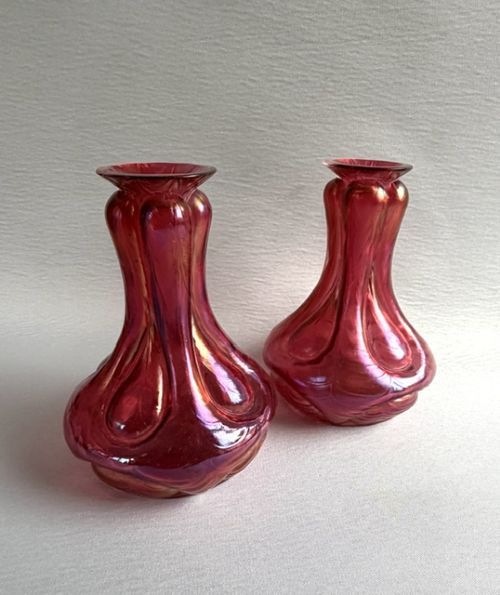
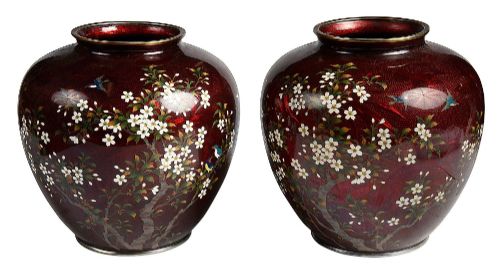
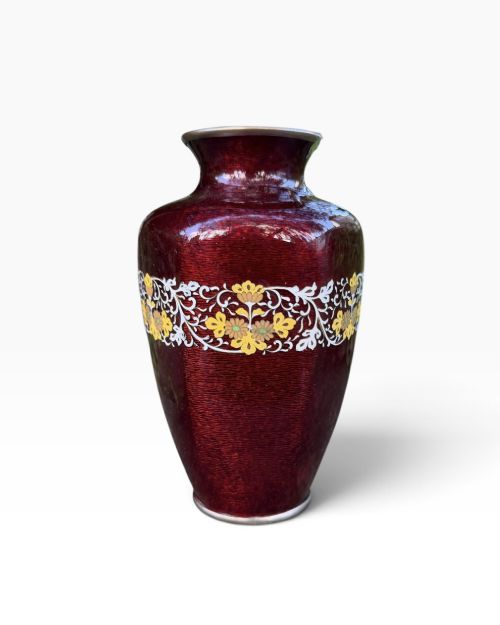
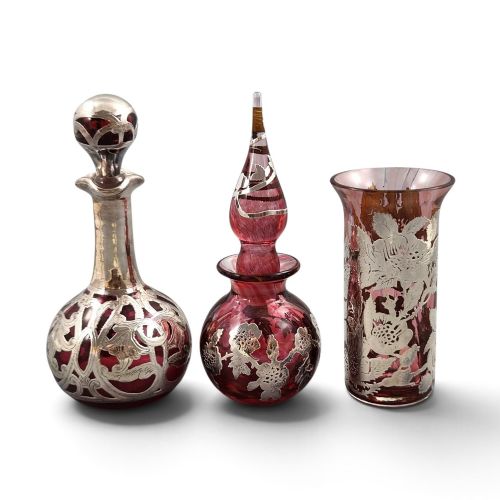
Glass vessels relied on the addition of gold or copper compounds to molten metal to produce cranberry and ruby hues, frequently finished through wheel-cutting, acid-etching, or casing layers of contrasting glass. Cloisonné and ginbari methods involved applying enamel powders within wire compartments on metal bases, fusing colour through repeated kiln firings.
Vintage Red Vases Retail Price Guide 2026
Typical asking prices for vintage red vases among the pieces listed under this phrase on Sellingantiques today, from the lower quarter to the upper quarter. They describe what is for sale here now, not the wider market.
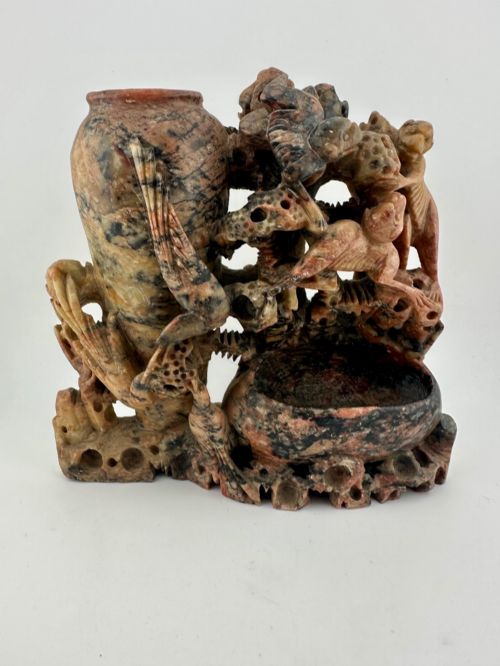
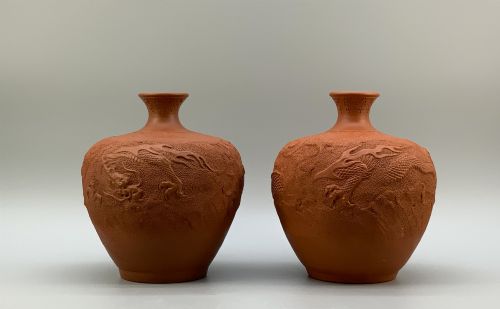
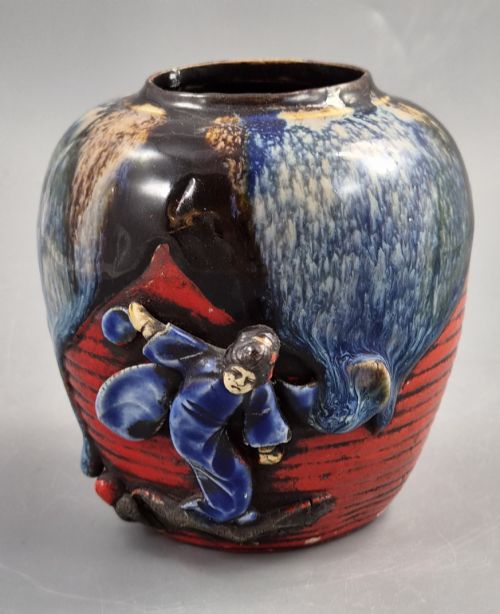
Several vases incorporate climbing figures and dragons clinging directly to the exterior walls.
What varies in quality
The standard of a piece rests upon the precision of its execution, the depth and consistency of the red glaze or glass body, and the crispness of any applied surface decoration. Superior examples demonstrate a careful balance between form and ornament, whether in the hand-painted detailing of Japanese ceramics or the complex casing of European art glass.
Makers known for rigorous workshop standards produced vessels with cleaner potting, sharper carved relief, and more stable mineral colours. Condition and originality also separate standard production wares from pieces bearing distinct signatures or retaining complete matched garnitures.
Moorcroft·Burmantofts·Minton·Thomas Webb and Sons·Val St Lambert·Gallé
The Vintage Red Vases Glossary
- Flambé
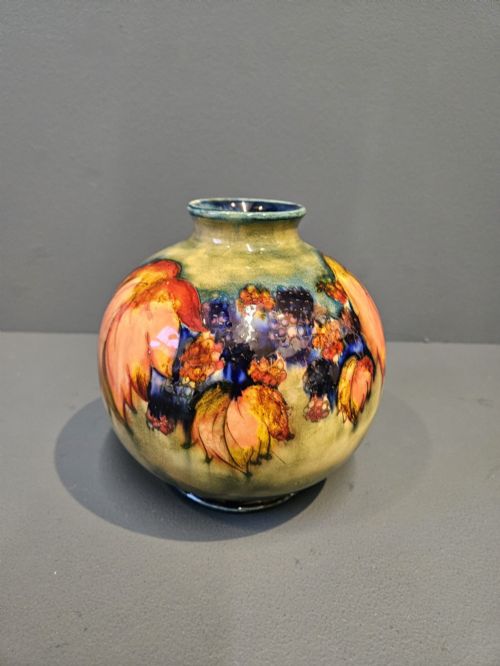
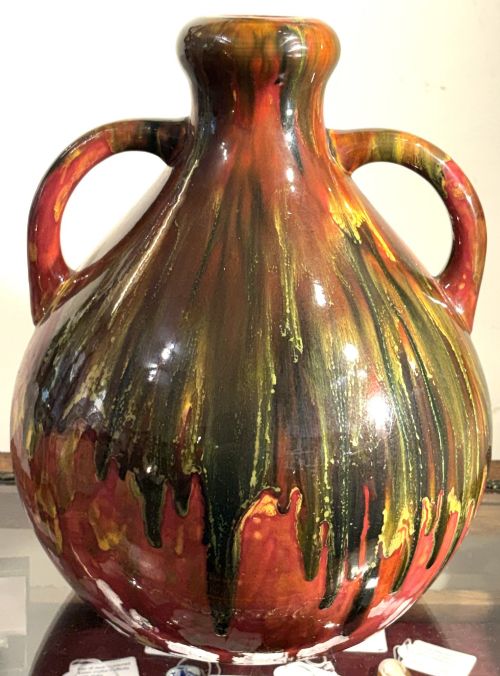
- A mottled, variegated glaze produced by reduction firing, which creates streaks of copper-red and purple across the ceramic surface.
- Cloisonné
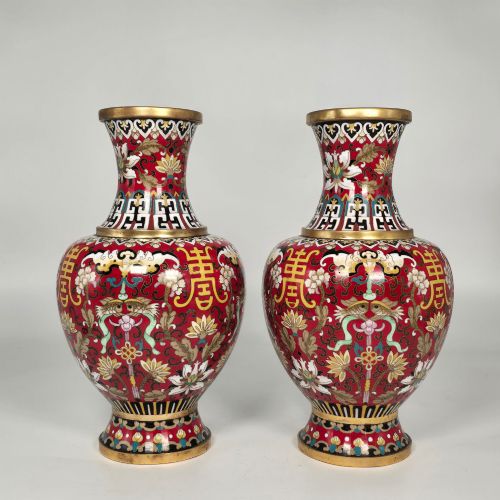
- A metalwork technique where fine wires form raised compartments that hold coloured enamel pastes before firing.
- Cranberry glass
- A transparent pinkish-red glass created by adding gold chloride to the molten batch during manufacture.
- Imari
- A style of Japanese porcelain decorated in underglaze blue, iron red, and gold, named after the port of shipment.
- Tube-lining
- A decorative method using a narrow nozzle to squeeze raised clay slip lines onto a pottery body to form outlines for glazes.
Vintage Red Vases: Frequently Asked Questions
How do I date a red glass vase?
Dating relies on identifying manufacturing techniques, stylistic motifs of periods like Art Nouveau or Art Deco, and any pontil marks or signatures on the base.
Examining the weight, glass composition, and colour saturation helps distinguish nineteenth-century cranberry pieces from later twentieth-century productions.
What is flambé glaze?
Flambé glaze is a glossy, unpredictable finish created when metallic oxides interact under intense heat in a kiln, producing rich crimson and violet runs.
This technique originated in ancient Chinese kilns and was later adopted by European art potteries seeking dynamic surface effects.
Where were Japanese Imari vases made?
Japanese Imari vases were produced primarily around the town of Arita in Hizen province, utilising local clay deposits and imported cobalt and iron pigments.
Export pieces created during the Meiji period frequently featured vibrant red and gold enamel overglaze painting designed for Western markets.
How should I display a large ceramic vase?
Large vases require stable, level surfaces away from heavy foot traffic or direct sunlight that might fade sensitive enamel and glaze colours over time.
Placing them on low tables or architectural pedestals allows the form and decorative motifs to be viewed clearly from multiple angles.