



Vintage Record Chest
A vintage record chest is a dedicated storage piece for sheet music and audio collections, prized for keeping paper and media orderly.
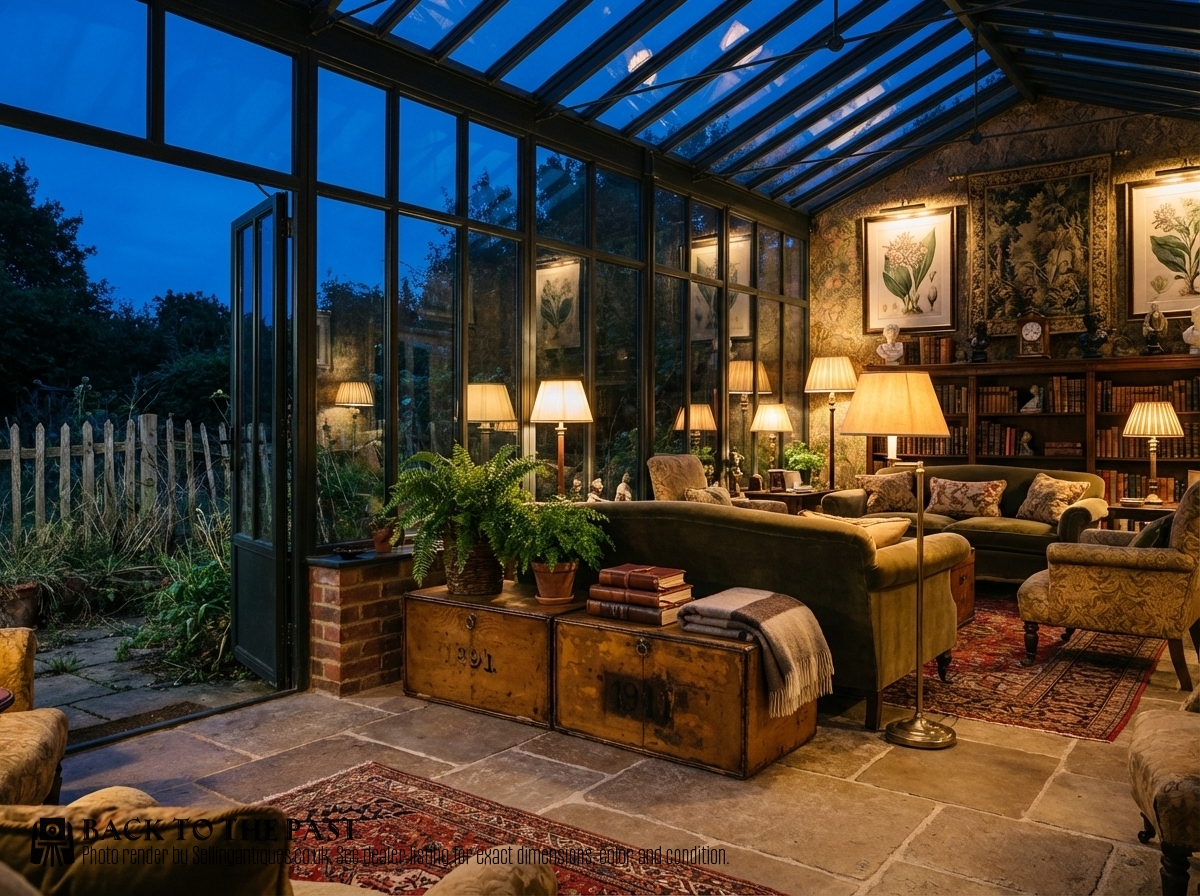
Vintage Record Chest
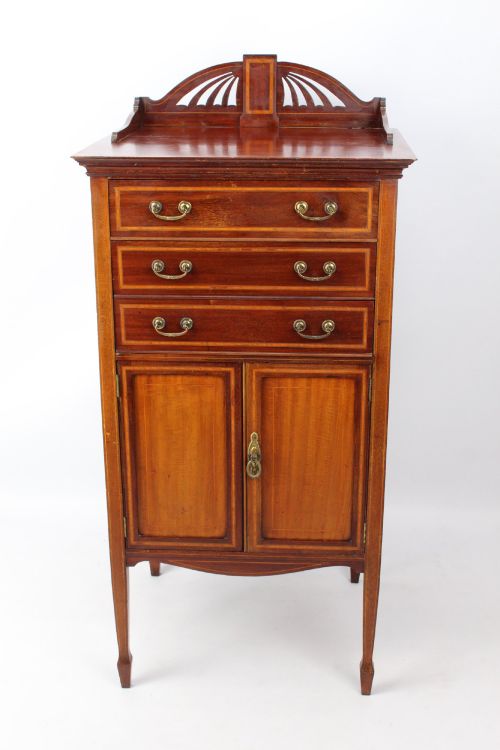
A vintage record chest typically takes the form of a music cabinet or filing unit designed to organise sheets, media, and documents. These pieces frequently surface from the Victorian and Edwardian eras, alongside items from the 1900s through to the 1930s.
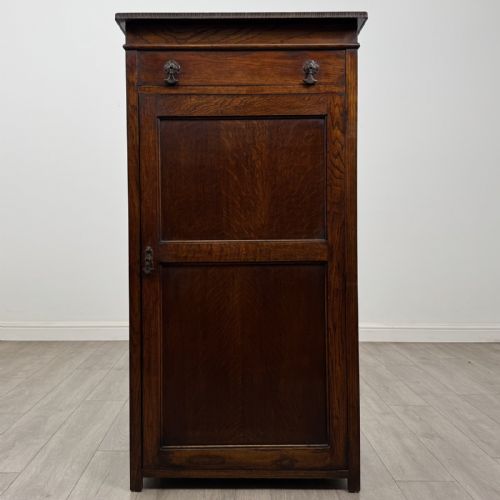
Buyers most commonly encounter timber examples configured with internal drawers or shelving specifically scaled for paper storage. The forms range from slim Edwardian editions to broader oak music filing cabinets.
How they were made
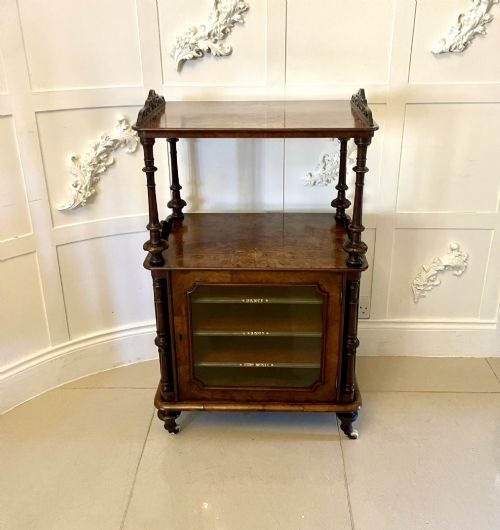
Cabinetmakers constructed these chests using solid and veneered hardwoods such as mahogany, walnut, burr walnut, oak, and rosewood. Timber selection often dictated the exterior finish, with figured grains chosen for prominent display surfaces.
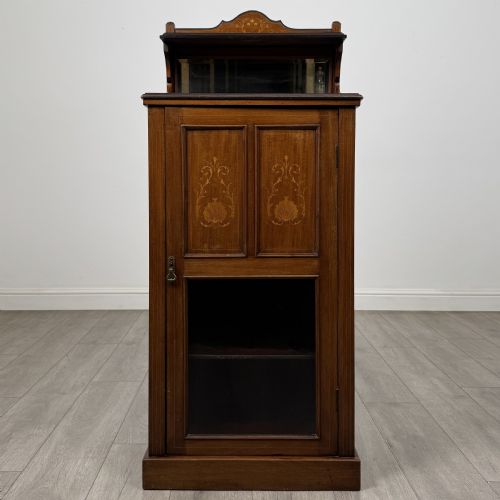
Metal hardware, including brass handles and hinges, provided structural reinforcement and operational function. Inlays added decorative detail to the timber facades on specific Edwardian pieces.
Vintage Record Chest Retail Price Guide 2026
Typical asking prices for vintage record chest among the pieces listed under this phrase on Sellingantiques today, from the lower quarter to the upper quarter. They describe what is for sale here now, not the wider market.
French Art Nouveau makers clearly believed that sheet music deserved a dramatic portal rather than a simple box.
What varies in quality
The choice of primary timber and decorative veneer sets apart standard utility pieces from finer parlour furniture. Figured woods like burr walnut and detailed inlay work elevate the visual standard of a cabinet.
The structural execution of the internal drawer mechanics and the integrity of the joinery determine the overall calibre of the construction. Superior examples maintain smooth operation and precise fitting across all compartments.
The Vintage Record Chest Glossary
- Music cabinet
- A specialised piece of furniture featuring shallow drawers or vertical compartments designed for storing sheet music. These units formed a standard fixture in early twentieth-century parlours.
- Burr walnut
- A highly figured wood grain obtained from the warted growths on walnut trees. Cabinetmakers prized this material for creating decorative veneered panels on high-status furniture.
- Inlay
- A decorative technique where contrasting woods or materials are set into the surface of a base timber. Edwardian makers frequently applied this method to mahogany and rosewood bodies.
- Music filing cabinet
- A robust storage unit adapted for systematic organisation rather than decorative display. These pieces usually employ oak construction to handle heavy documentary loads.
Vintage Record Chest: Frequently Asked Questions
What is a vintage record chest used for?
These cabinets were originally designed to store and organise sheet music, keeping paper collections flat and accessible in the home. Today, they serve a similar purpose for contemporary media, documents, and small collectables.
The compartmentalised interior layout prevents paper from curling or folding, making them practical for sorting individual pieces by category or composer.
How do I date an Edwardian music cabinet?
Edwardian pieces typically date from the start of the twentieth century up to the First World War. Look for characteristic stylistic traits such as satinwood inlay, light mahogany frames, and specific brass hardware.
Construction methods from this period often combined machine-cut elements with hand-finished details, reflecting the manufacturing standards of the era.
Are these cabinets suitable for modern vinyl records?
Many vintage record chests feature internal dimensions tailored specifically for sheet music rather than standard twelve-inch vinyl LPs. Buyers should check internal drawer measurements carefully before attempting to store modern records.
Some Edwardian and later variants offer deeper compartments that can accommodate smaller formats or specific media collections quite comfortably.
What woods were commonly used?
Mahogany, oak, and walnut are the primary timbers found across these chests, with burr walnut and rosewood appearing on more decorative examples. Each wood imparts a distinct colour and grain pattern to the exterior.
Hardwoods were selected for their durability, ensuring the framework could support multiple loaded drawers without sagging over time.