




Vintage Pub Wall Sign
These vintage pub wall sign examples bring rich trade history into domestic spaces through painted timber, heavy iron, and surviving glass advertising panels.
Vintage Pub Wall Sign
A vintage pub wall sign encompasses surviving trade boards, painted advertising panels, and hanging metal markers that originally directed customers to inns, local businesses, and merchants.
The selections here lean heavily toward early twentieth century and nineteenth century formats, ranging from iron hanging tavern markers to painted pine boards and enamel direction signs.
Buyers look for genuine commercial relics that display authentic patination, bold lettering, and the robust construction typical of working establishments from past eras.
How they were made
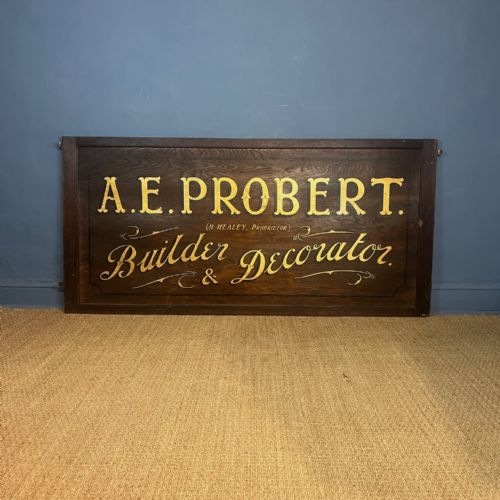
Signmakers relied on durable base materials like solid oak, painted pine, wrought iron, and heavy sheet metal to withstand external weather and daily handling.
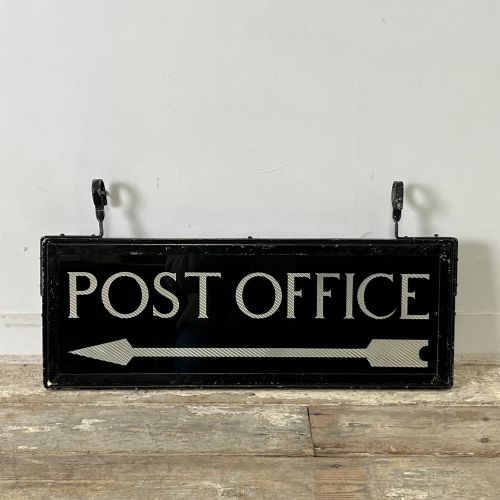
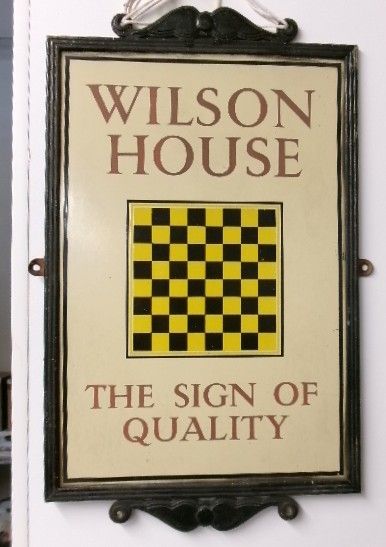
Surface decoration involved hand painting directly onto wood or applying vitreous enamel to iron panels for long-lasting public display.
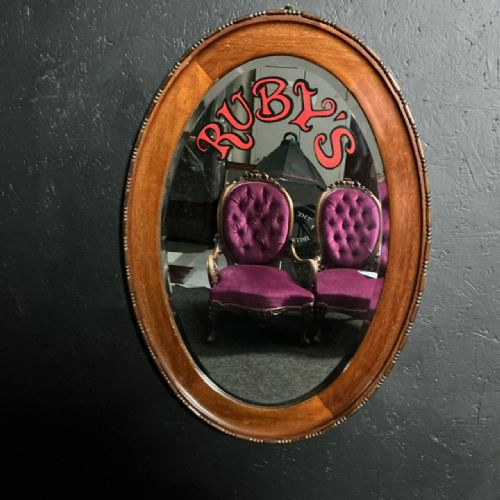
Many survivors include original timber frames, iron brackets, or bevelled mirror plates that reflect the traditional joinery and glazing methods of the period.
Vintage Pub Wall Sign Retail Price Guide 2026
Typical asking prices for vintage pub wall sign among the pieces listed under this phrase on Sellingantiques today, from the lower quarter to the upper quarter. They describe what is for sale here now, not the wider market.
Sheep dip and locksmiths rub shoulders with yachting scenes, proving that past commerce had a remarkably diverse sense of advertising style.
What varies in quality
Quality rests in the strength of the original typography, the legibility of the trade lettering, and the integrity of the surface paint.
Pieces retaining their original hanging brackets, frames, or double-sided glass elements show a higher level of historical completeness.
The depth of character in the surface wear distinguishes purposeful trade craftsmanship from later decorative reproductions.
The Vintage Pub Wall Sign Glossary
- Trade Sign
- A board or hanging marker used to advertise a specific profession, shop, or tavern to the public. These objects were often shaped to represent the trade itself.
- Enamel Sign
- A metal panel fused with powdered glass through high-temperature firing, creating a glossy, weather-resistant surface for outdoor advertising.
- Sign Bracket
- An iron or steel arm attached to a wall to hold a projecting hanging sign perpendicular to the building facade.
- Architectural Salvage
- Building components and commercial fixtures rescued from structures undergoing demolition or substantial renovation.
Vintage Pub Wall Sign: Frequently Asked Questions
How were these signs mounted outdoors?
Most hanging tavern boards used heavy wrought iron brackets secured directly into exterior masonry or timber framing. This allowed the sign to project outward so passing trade could spot the establishment easily.
Heavier panels and enamel sheets were usually face-fixed using pre-drilled screw holes directly through the metal or framed within supportive wooden surrounds.
Are these signs genuinely from old pubs?
The selection includes various commercial artefacts ranging from dedicated tavern markers to post office direction boards, vending machine mirrors, and trade panels. Each piece reflects the specific commercial or public function recorded in its original make.
Examining the materials, such as early painted pine or heavy iron, helps connect each item to its historical working environment.
How do I hang a heavy iron sign?
Given the substantial weight of iron brackets and painted timber boards, proper load-bearing fixings into wall studs or solid masonry are essential. Supporting the weight evenly prevents structural strain on the original frames.
Consulting a professional installer ensures the historic material remains secure without compromising the integrity of the antique panel.
How should I clean a painted wooden sign?
Preserving the original surface requires gentle dusting with a soft, dry cloth rather than applying liquid cleaners or harsh solvents. Moisture can lift fragile historic paint layers.
Keeping the piece away from direct sunlight and damp environments protects the surviving pigments and natural wood patination.