



Vintage Provincial Coffee Table
A vintage provincial coffee table brings rustic charm and regional character to a living space through traditional timber construction and time-worn finishes.
Vintage Provincial Coffee Table
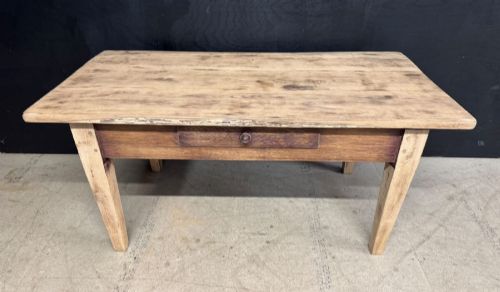
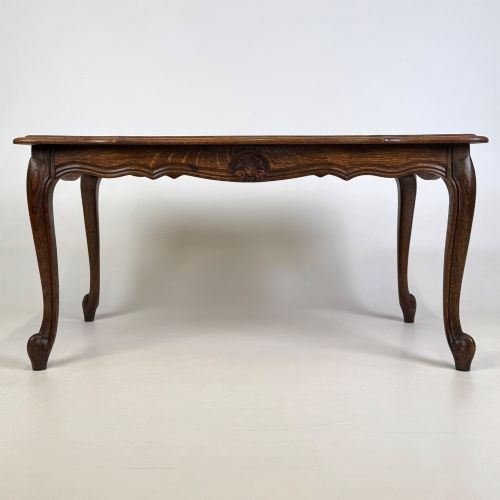
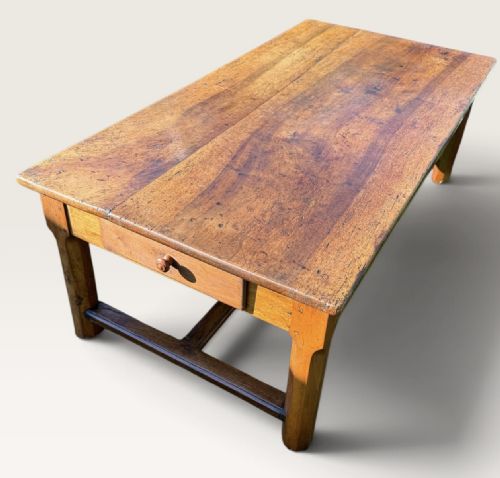
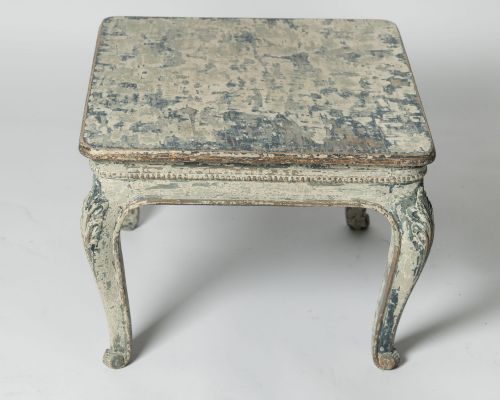
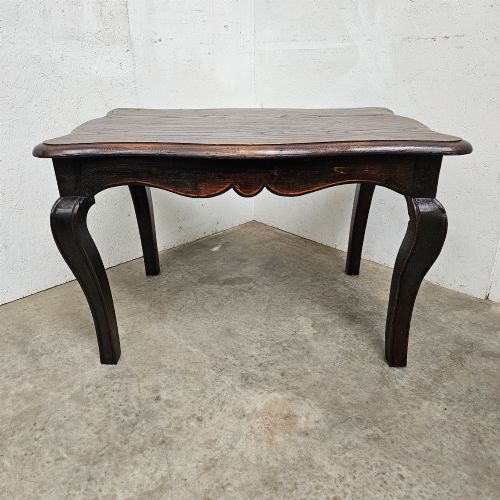
A vintage provincial coffee table encompasses low tables and repurposed forms originating from rural European traditions. When searching for a vintage provincial coffee table, buyers encounter pieces that range from simple oak low tables to marble-topped designs with wrought iron bases. These low surfaces often derive their character from provincial French styling, rustic farmhouse aesthetics, and regional workshop traditions.
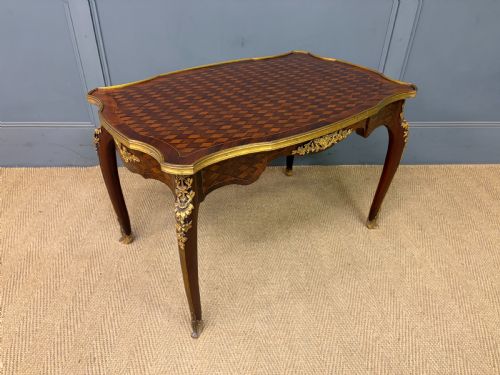
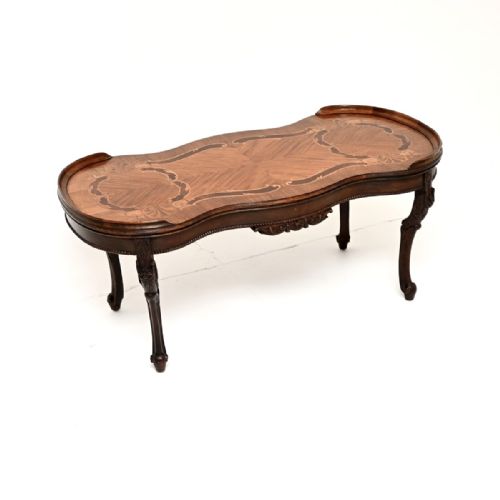
Stylistic influences lean heavily towards French country and rustic farmhouse designs, occasionally touching upon Louis XV revival and Régence motifs. Buyers often find scrubbed timbers, parquetries, and floral inlays sitting alongside primitive structural forms. This variety reflects the practical domestic needs of past households translated into low-profile furniture suitable for modern sitting rooms.
Materials and construction methods
Cabinetmakers and rural joiners relied heavily on solid hardwoods such as oak, walnut, cherry wood, and fruitwood to build sturdy domestic furniture. Sycamore, elm, and pine also appear frequently in regional tables, sometimes paired with turned legs or trestle bases. These timbers were chosen for local availability and durability, providing a strong structural foundation for daily use.
Surface decoration ranges from scrubbed natural wood finishes to intricate marquetry, parquetry, and painted wood treatments. Some refined examples incorporate contrasting satin wood or marble tops supported by wrought iron frames. Joinery techniques prioritize utilitarian strength, whether through straightforward pegged joints or decorative carved elements reminiscent of regional revival styles.
Vintage Provincial Coffee Table Retail Price Guide 2026
Typical asking prices for vintage provincial coffee table among the pieces listed under this phrase on Sellingantiques today, from the lower quarter to the upper quarter. They describe what is for sale here now, not the wider market.
One low table arrives with a mysterious maker stamp simply reading 'BL'.
Distinguishing quality in regional tables
Quality in these regional tables rests largely upon the choice of timber and the sophistication of the joinery. Tables featuring dense hardwoods like walnut or figured fruitwood exhibit a finer grain and greater structural integrity than simpler pine or scrubbed softwood alternatives. The handling of secondary materials, such as polished marble inserts or precise floral inlay work, further separates standard domestic items from more ambitious workshop pieces.
The relationship between original function and current form dictates much of the appeal in converted pieces. Tables retaining their authentic proportions and original patination demonstrate a more harmonious character than heavily altered examples. Subtle details like hand-turned legs, stamped maker marks, or finely carved Régence mouldings indicate a higher degree of craftsmanship originating from skilled provincial workshops.
The Vintage Provincial Coffee Table Glossary
- Marquetry
- Inlaid wood veneers forming decorative patterns or pictures on a surface. This technique requires considerable skill to fit different coloured woods together precisely.
- Parquetry
- Geometric mosaic woodwork used for surface decoration, often seen in diagonal or herringbone patterns on tabletops. It provides a durable and visually striking decorative layer.
- Fruitwood
- Timber sourced from fruit-bearing trees such as cherry, pear, or apple, prized for its warm tone and fine grain. Rural makers used it extensively for provincial furniture.
- Trestle table
- A table consisting of two or more support frames connected by a longitudinal beam, holding a horizontal top. This sturdy construction allows for maximum legroom.
- Régence style
- A French design period bridging the Louis XIV and Louis XV styles, characterised by early rococo curves and restrained carving. It displays lighter, more flowing lines than previous heavy baroque forms.
Vintage Provincial Coffee Table: Frequently Asked Questions
What defines a provincial coffee table?
A provincial coffee table typically originates from regional rural traditions, utilising local hardwoods like oak, walnut, or fruitwood rather than formal urban styles. These pieces often exhibit a simpler, more robust construction.
Many examples found today were originally built for other domestic or commercial purposes, such as low work tables, benches, or display stands, and have since been adapted into coffee tables.
How do I care for marble top tables?
Marble surfaces require gentle cleaning with mild soap and warm water, avoiding acidic cleaners that can etch the polished stone. Using coasters and placemats helps protect the porous surface from stains.
Maintaining the surrounding wooden framework involves occasional light waxing to nourish the timber without letting moisture reach the stone joints.
Are these tables authentic antiques?
The selection includes pieces dating from the nineteenth century through the early twentieth century, encompassing Edwardian examples and period revivals. Authentic age is determined by construction methods, timber oxidation, and wear patterns consistent with historical use.
Converted items retain antique components, such as nineteenth-century tabletops or bases, reconfigured to suit modern interior heights.
How do I style a rustic table?
A rustic provincial table anchors a living room by introducing natural textures, historic patinas, and warmth from aged woods. Pairing it with contemporary seating creates a balanced interior.
Keeping the tabletop styling minimal highlights the natural grain, parquetry, or inlaid details without cluttering the historic surface.