




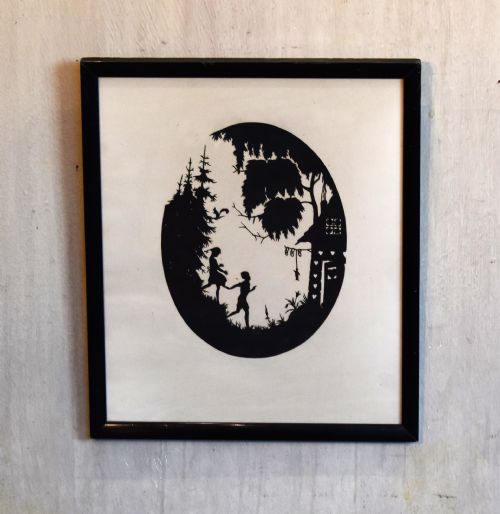


Vintage Profile Picture
These vintage profile picture examples combine silhouette portraits and period frames, offering a direct view into historical likenesses that collectors prize for their striking graphic quality.
Vintage Profile Picture
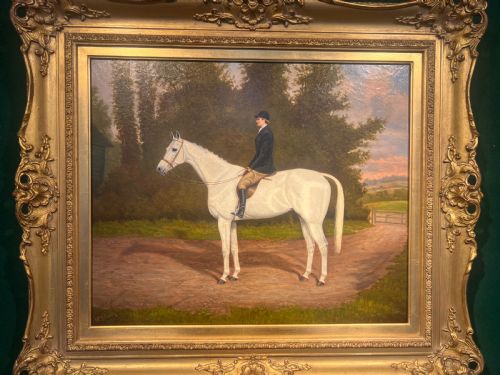
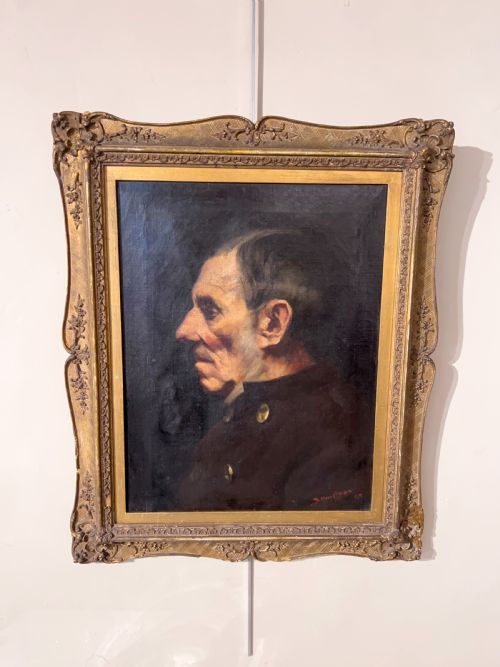
A vintage profile picture typically presents a silhouette or portrait bust framed in wood, giltwood, or rosewood, capturing the likeness of subjects from the nineteenth and early twentieth centuries. These works range from finely cut paper silhouettes to oil paintings on canvas, reflecting diverse aesthetic sensibilities across the Victorian and Edwardian eras.
The versions most commonly found here include framed silhouette art depicting gentlemen, children, and families, alongside deep giltwood and gesso picture frames enclosing historical artwork. These pieces draw their character from traditional portraiture traditions that emphasise shadow and contour over minute facial detail.
How they were made
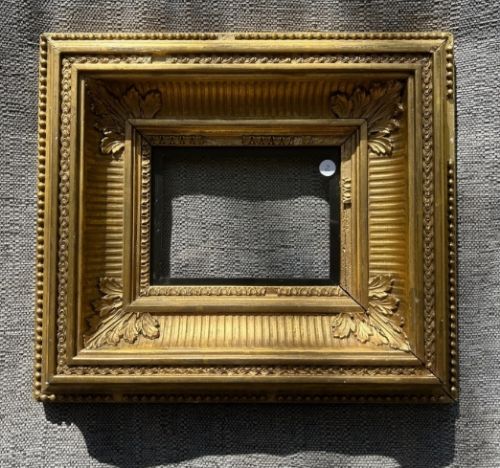
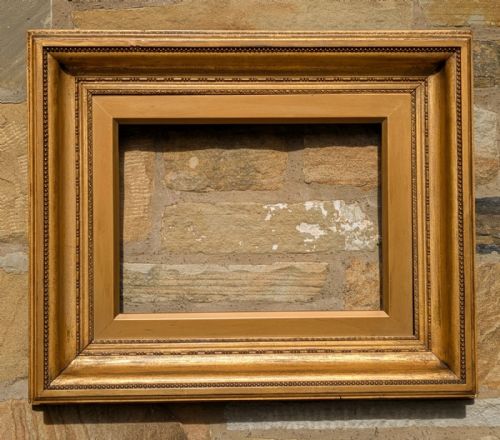
Makers constructed these works using paper, ink, and oil paint applied to canvas, mounting the resulting images within wooden housings such as rosewood or elaborately moulded frames. Craftsmen applied gold leaf and gesso to deep wooden substrates to create ornate, fluted hollow picture frames that added weight and visual depth.
Artisans executed silhouettes through precise cutting or ink work, occasionally attributing pieces to notable practitioners of the craft. Frame makers shaped heavy timber and applied traditional gilding techniques to house and protect the delicate portraiture within.
Vintage Profile Picture Retail Price Guide 2026
Typical asking prices for vintage profile picture among the pieces listed under this phrase on Sellingantiques today, from the lower quarter to the upper quarter. They describe what is for sale here now, not the wider market.
The inventory records pieces attributed to specific artists alongside broader European and British school portraiture.
What varies in quality
Quality differences emerge in the depth and execution of the framing work, distinguishing simple timber surrounds from heavy, intricately moulded giltwood and gesso frames enriched with gold leaf. The crispness of the silhouette cutting or the handling of the oil paint further separates standard workshop output from finer examples.
The materials used for the housing, such as solid rosewood versus simpler woods, indicate the relative status of the piece. Additionally, the presence of signatures or attributions to recognised artists influences the standing of individual works within the category.
Bateman·Augustin Edouart·William Albert Clarke·Bertram Priestman
The Vintage Profile Picture Glossary
- Silhouette
- A portrait represented as a solid shape of a single colour, usually black, showing the profile of the subject. This technique relies entirely on outline and contour to capture likeness.
- Gesso
- A plaster mix applied to wood surfaces as a base for moulding and gilding. Artisans use it to build up relief ornamentation on picture frames before adding gold leaf.
- Giltwood
- Wood carved and covered with gold leaf or gold paint. It provides a luminous, reflective border that enhances the artwork contained within.
- Fluted hollow
- A decorative moulding profile characterised by concave grooves running along the length of the frame. This design adds dimensional shadow and architectural interest to the display.
Vintage Profile Picture: Frequently Asked Questions
How are these frames constructed?
Makers built these surrounds using timber such as rosewood or pine, applying gesso layers and gold leaf to create ornate decorative surfaces.
Deep hollow profiles were often utilised to give the artwork physical prominence and physical separation from the wall.
How do I date a silhouette?
Dating relies on the style of the clothing, the framing materials used, and any inscriptions or signatures left on the backing or mount.
Victorian and Georgian examples often feature distinct paper types and handwritten notes indicating the subject and date.
Where should I hang these?
These framed works suit intimate spaces, hallways, or gallery walls where their monochrome or muted tones can be appreciated at close range.
They pair effectively with other period art objects and benefit from placement away from direct sunlight to protect the paper and ink.