




Vintage Profile Painting
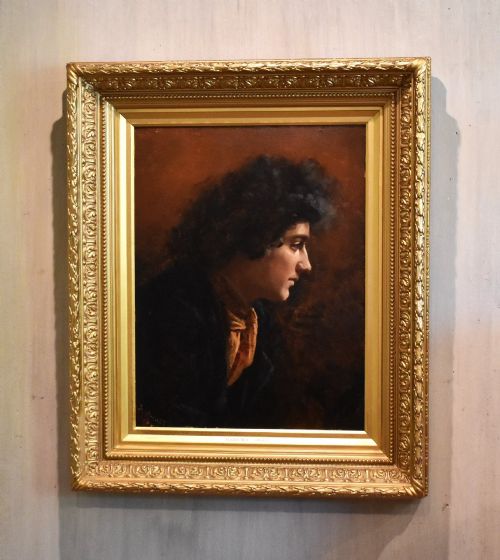
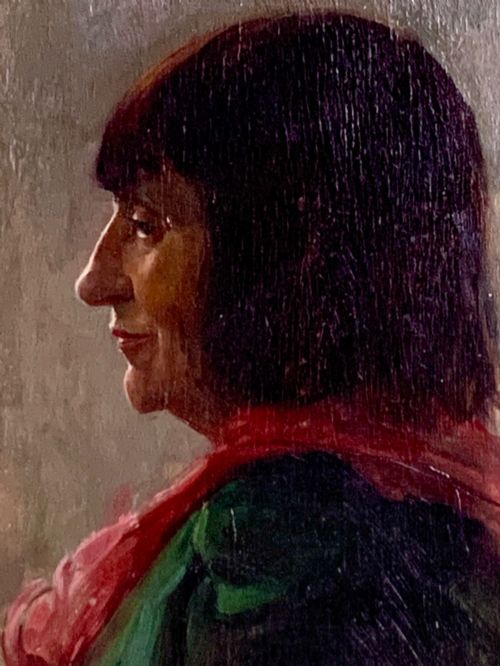
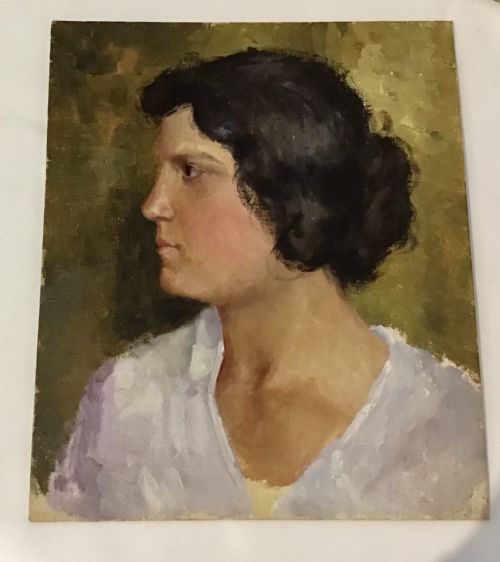
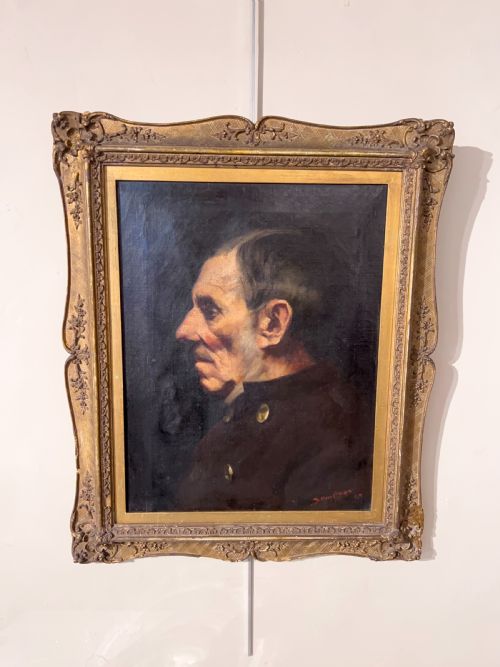
These vintage profile painting works capture individual likenesses through distinct side-on portraiture spanning multiple centuries.
Vintage Profile Painting
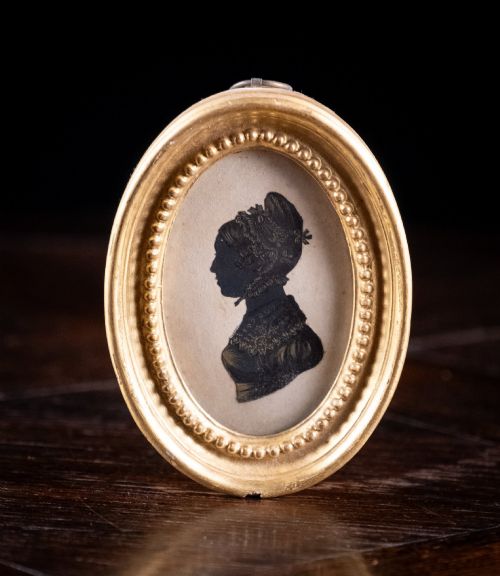
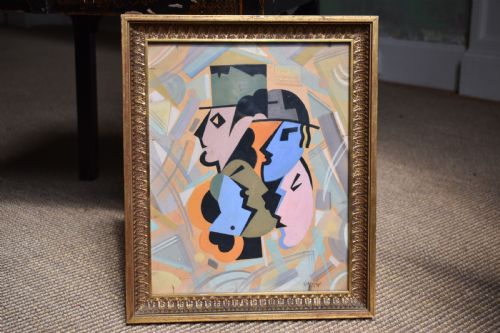
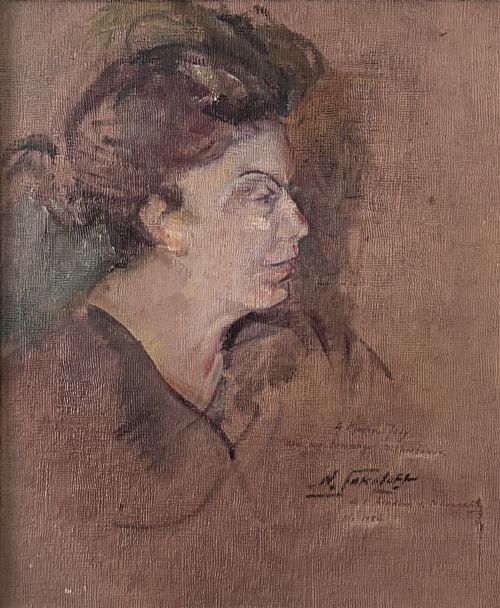
A vintage profile painting presents a subject from the side rather than facing forward, capturing the clear contour of the face. These pieces range from 19th-century silhouettes and portrait miniatures to 20th-century oil on canvas works and watercolours.
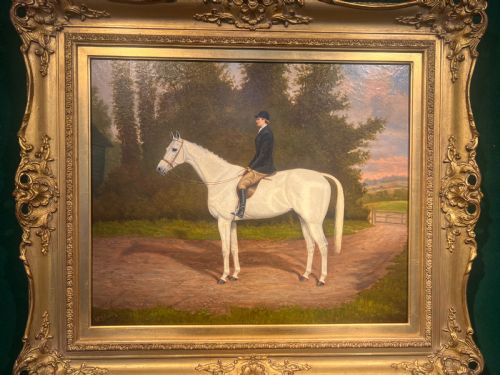
Buyers will frequently encounter framed silhouette portraits alongside painted studies from the Regency and Victorian eras up to the mid-20th century. The selection includes works by named artists and regional British School pieces executed in various media.
The form stretches from small-scale miniatures housed in 18ct gold pendants to larger framed oil paintings and board works. Each example focuses on the linear silhouette or distinct facial profile of the sitter.
Materials and construction methods
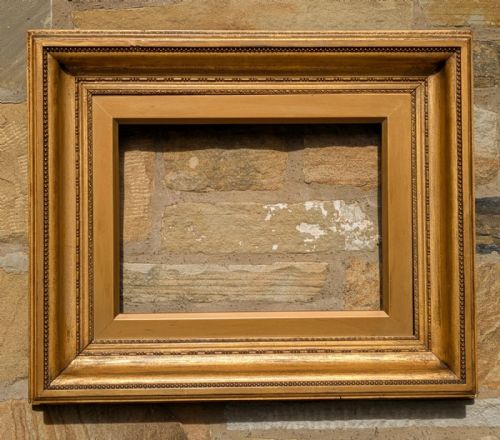
Artists employed watercolour, ink, and oil paints applied to paper, canvas, board, and ivory surfaces. These mediums were often housed within timber frames made of rosewood, gesso, or heavy giltwood.
Miniatures and silhouettes incorporate delicate detailing using pencil, paint, and sometimes enamel or pearl set within precious metal pendants. Frames frequently feature decorative gilding that complements the period of the artwork.
Listings feature works spanning the 18th, 19th, and 20th centuries, executed in oil, watercolour, ink, and pencil.
Distinctions in craftsmanship and execution
Quality rests upon the precision of the facial outline and the expressive handling of the medium, whether in fine watercolour lines or confident oil brushwork. Finer examples display a keen command of proportion within the strict limits of a profile view.
The housing also defines the piece, with original rosewood, deep gilt frames, or gold and enamel pendants marking out superior examples. Condition of the painted surface and preservation of the paper or canvas further separate standard pieces from exceptional ones.
William Albert Clarke·Florence Small·Bertram Priestman RA·Susie Lassam RMS RA·Alfred Darbyshire·John Smith of Edinburgh·Leo Klin
The Vintage Profile Painting Glossary
- Silhouette
- A solid shape of a person's profile, typically filled in with dark colour on a light background or cut from paper. This traditional form of likeness relies entirely on the outer edge of the face.
- Miniature portrait
- A small, highly detailed painting executed on ivory, vellum, or card. These intimate works often demand magnification to appreciate the fine brushwork.
- Gesso
- A plaster-like mixture applied to wood frames as a base for moulding and gilding. It provides the textured foundation for decorative frame details.
- Bloomsbury Group
- An association of English writers, intellectuals, and artists whose style influences certain 20th-century portraits. Their approach often favoured expressive colour over strict academic realism.
Vintage Profile Painting: Frequently Asked Questions
What is a profile painting?
A profile painting depicts a subject viewed from the side, emphasising the distinct outline of the nose, brow, and chin. This format was especially popular for silhouettes and miniatures.
Artists used this approach to capture striking facial characteristics with economy and precision.
How were these portraits displayed?
Many works were mounted behind glass within timber frames made of rosewood or giltwood to protect the delicate surface. Smaller miniatures were sometimes designed as pendants to be worn.
Original framing helps place the piece within its historical period and safeguards the artwork from environmental damage.
How do I date a profile painting?
Dating relies on the painting medium, the style of the clothing, the framing materials, and any signature or documentation on the reverse. Regency and Victorian pieces often feature distinct frame profiles and costume details.
Comparing the technique to known works from the same era provides a reliable timeline.
Are these works signed by the artists?
Some pieces bear artist signatures, exhibition labels, or inscriptions detailing the sitter and date. Others remain unattributed as works by regional or British School practitioners.
Signed examples by recorded painters generally carry more biographical documentation.