

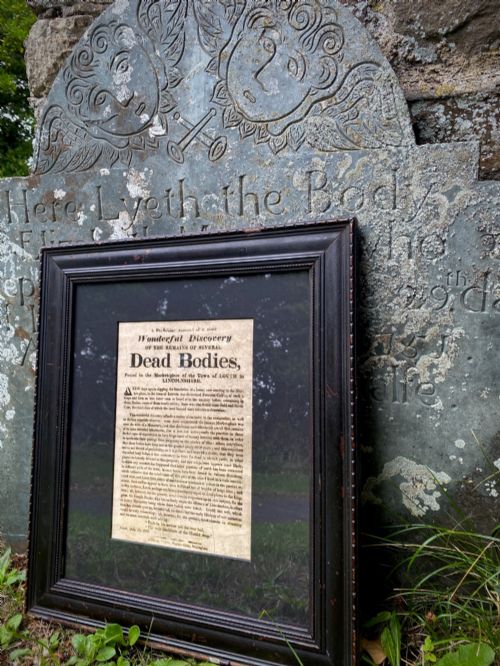
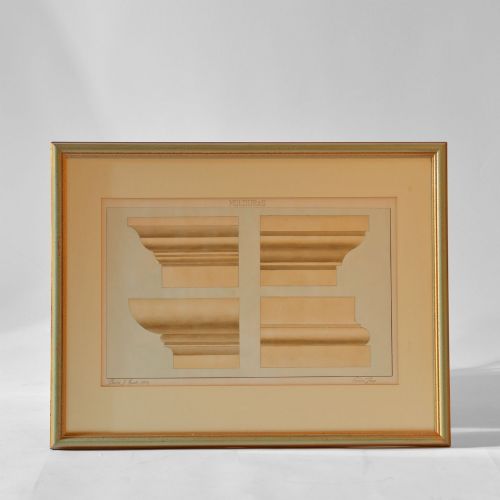
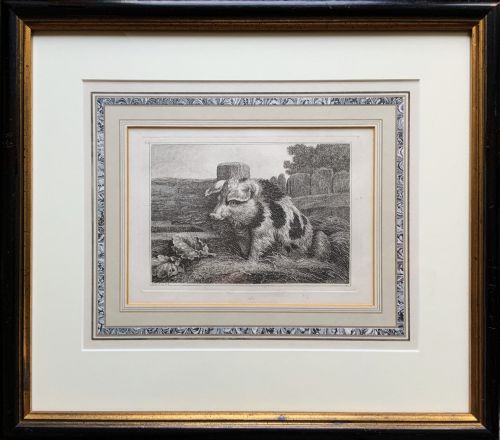
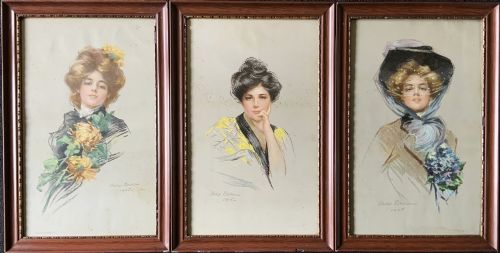
Vintage Print
When you search for a vintage print, you step into centuries of mapmaking, portraiture and botanical illustration preserved on paper.
Vintage Print
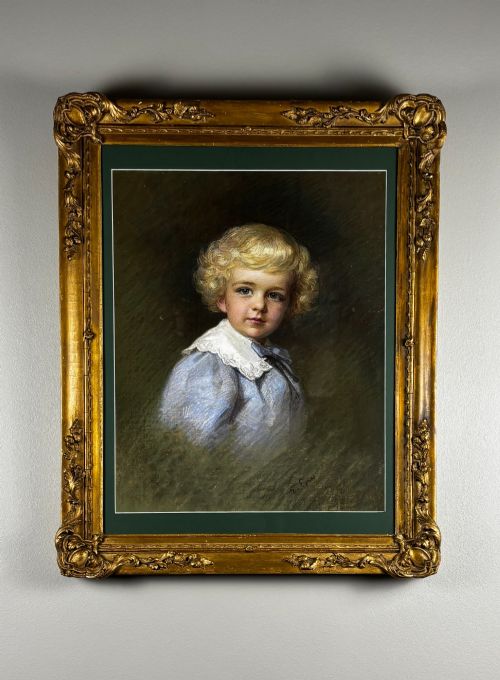
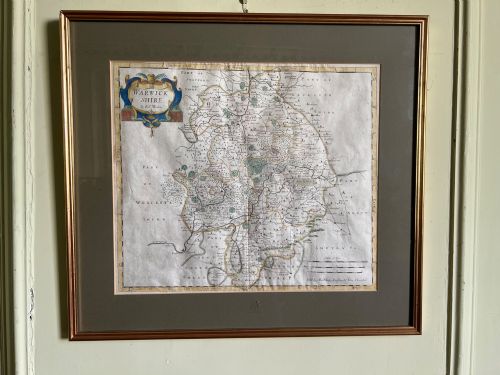
A vintage print encompasses framed artworks, atlas excerpts, engravings, etchings and lithographs spanning from the seventeenth century through to the mid-twentieth century. Buyers searching for a vintage print will encounter cartography by cartographers like John Speed alongside ornithological plates, portrait mezzotints and twentieth-century photographic boards.
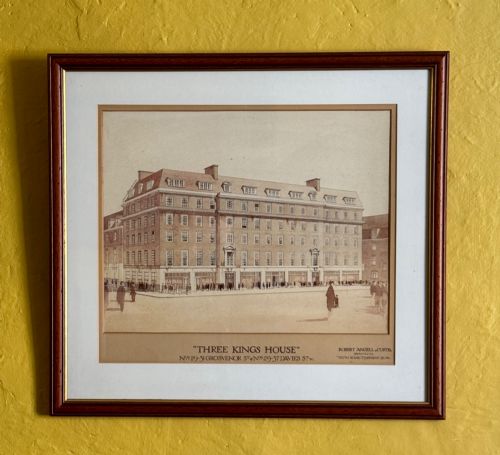
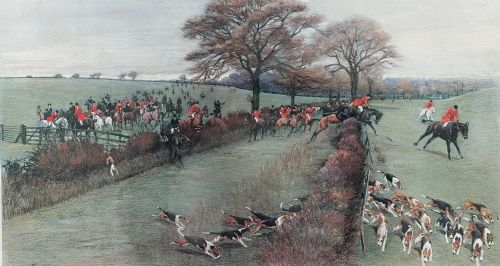
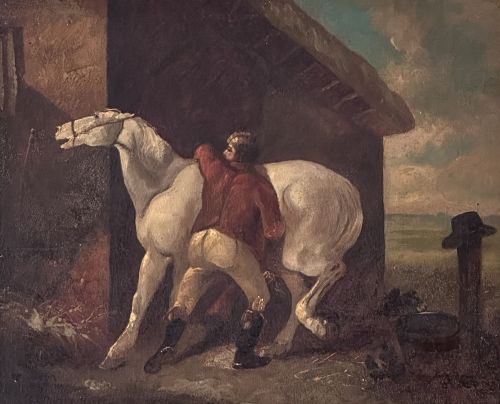
The selection ranges from early hand-coloured copperplate maps and eighteenth-century sporting engravings to Victorian natural history watercolours and Edwardian lady portrait prints. Subjects vary widely from tropical birds and botanical fairy watercolours to Japanese woodblock prints and architectural plates.
How they were made
Makers utilised paper, ink and watercolour, often mounted within wood, gilt wood or glass frames. Engravings and etchings rely on incised metal plates pressed onto paper, while mezzotints employ roughened copper plates to build deep tonal gradations.
Many works combine printed lines with applied watercolour or gold leaf highlights by hand. Lithographs and photographic prints on board introduce mid-twentieth-century industrial processes to the traditional paper medium.
Vintage Print Retail Price Guide 2026
Typical asking prices for vintage print among the pieces listed under this phrase on Sellingantiques today, from the lower quarter to the upper quarter. They describe what is for sale here now, not the wider market.
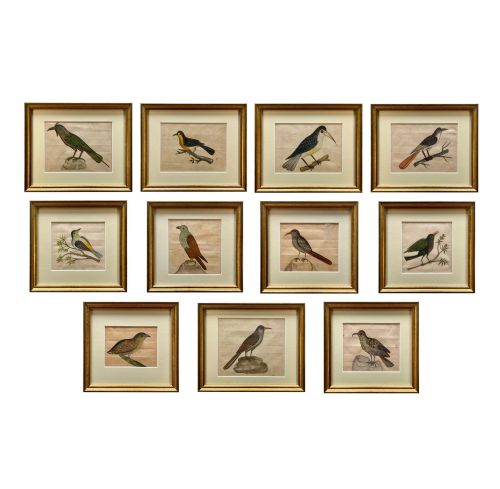
Several prints capture pigs, lions and tropical birds rather than human nobility.
What varies in quality
Quality rests in the crispness of the impression, the accuracy of the original plate work and the preservation of the paper support. Early copperplate engravings pull sharper lines in early strikes, whereas worn plates yield blurred edges.
Original hand-colouring executed by contemporary artists commands greater interest than later applied pigments. The survival of period framing materials, such as original oak or gilt surrounds, contributes to the integrity of the piece.
John Speed·Samuel Howitt·Marjorie L Davies·William Woollett·George Stubbs
The Vintage Print Glossary
- Mezzotint
- A printmaking process where the copper plate is roughened to produce rich dark tones and subtle graduations of light. This tonal method was widely used for eighteenth-century portraiture.
- Engraving
- A technique where an artist cuts lines directly into a metal plate with a burin to hold ink. It produces sharp, clean lines visible on early maps and botanical plates.
- Etching
- A method where acid bites lines into a metal plate covered with a protective ground. It allows for free, painterly strokes seen in eighteenth-century animal studies.
- Lithograph
- A planographic printing process based on the repulsion of oil and water on a limestone or metal surface. It became the dominant method for large nineteenth-century and twentieth-century colour plates.
- Creamware
- A refined earthenware developed in Yorkshire during the eighteenth century with a pale yellow glaze. It appears on domestic vessels associated with the ceramic arts of the period.
Vintage Print: Frequently Asked Questions
How do I date an antique map print?
Examine the cartography, paper characteristics and typography present on the sheet. Plates often bear publication dates or reflect the active years of the cartographer.
Secondary indicators include watermark evidence within the paper stock and the style of the surrounding engraved cartouche or text panels.
What is the difference between an etching and an engraving?
An engraving is cut directly into metal using a sharp tool called a burin, producing precise, uniform lines. An etching uses acid to bite lines into a coated plate, creating a freer, more fluid line.
Under magnification, engraved lines taper at the ends, while etched lines maintain a more consistent width with rounded troughs.
How should I frame and display paper prints?
Protect works on paper from direct sunlight and high humidity to prevent fading and foxing spots. Use acid-free mounting boards and UV-filtering glass to keep the paper separated from the glazing.
Display pieces on interior walls away from direct heat sources and fluctuating environmental conditions.
Are eighteenth-century mezzotints original works of art?
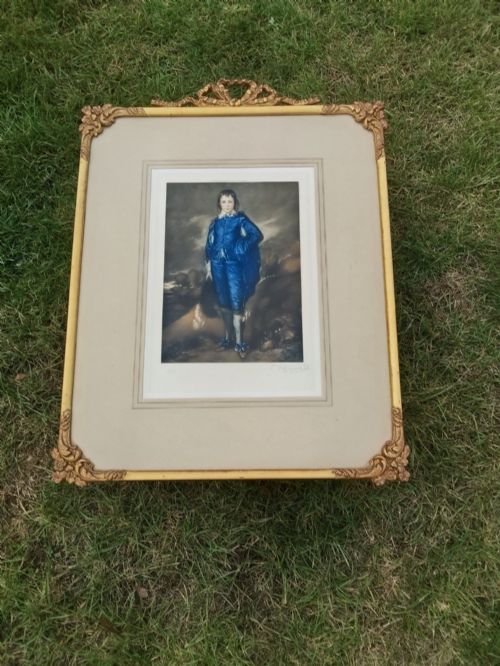
Mezzotints from this era are considered original fine art printmaking rather than mere reproductions. Master engravers worked from paintings by artists like Sir Joshua Reynolds to translate canvases into tonal prints.
Each impression pulled from the inked plate represents an authentic period artefact produced in a limited contemporary run.