

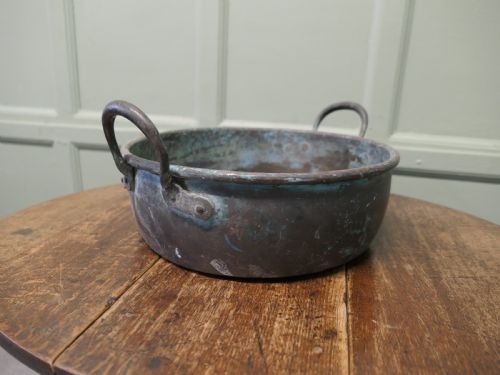
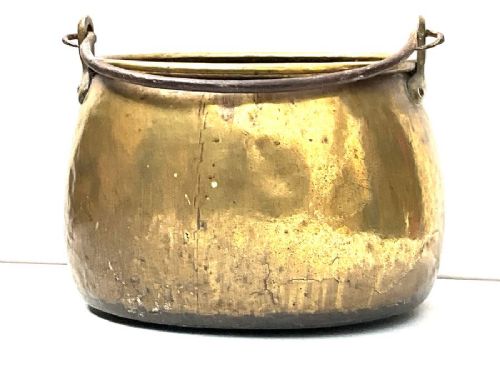


Vintage Preserving Pan
A vintage preserving pan brings heavy metal warmth to the kitchen, offering centuries of utility through deep bowls designed for boiling fruit.
Vintage Preserving Pan
When you search for a vintage preserving pan, you encounter heavy kitchenware designed for boiling fruit, jam, and cream across the Georgian, Victorian, and later rustic farmhouse eras. The pieces on this page span cookware forms such as jam pans, preserve pans, and cream setting bowls dating from the eighteenth to the twentieth century.
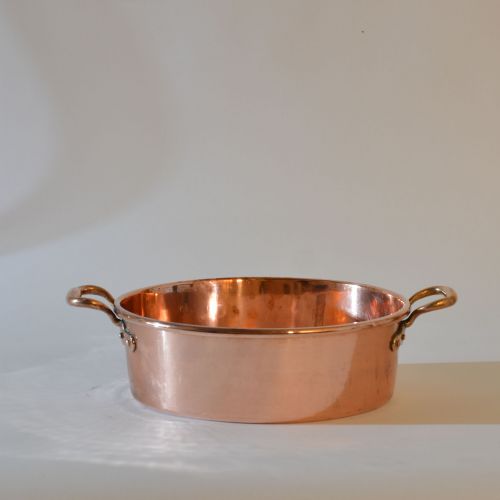
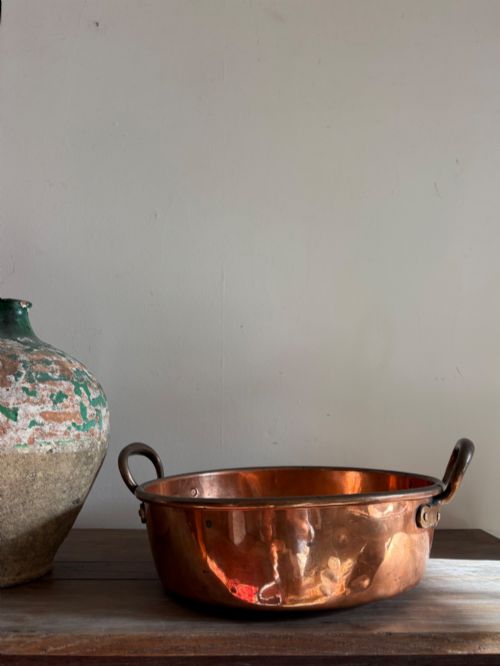
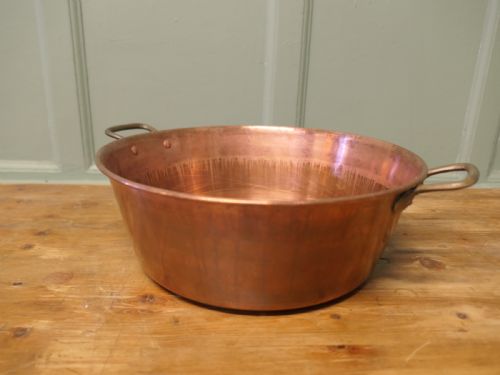
You are most likely to meet large copper vessels featuring brass or iron handles, alongside smaller brass or wrought iron variants. These domestic objects reflect hearth accessories and kitchenware once central to daily food preparation.
How they were made
Construction relies heavily on sheet copper and brass, shaped into deep bowls and secured with riveted handles made from brass, iron, or wrought iron. Metalworkers hammered and formed these durable cooking vessels to withstand direct heat on the hearth.
Iron components provide structural strength for lifting heavy contents, while tin linings often protect the inner metal surface of cooking vessels from acidic fruit preserves.
Vintage Preserving Pan Retail Price Guide 2026
Typical asking prices for vintage preserving pan among the pieces listed under this phrase on Sellingantiques today, from the lower quarter to the upper quarter. They describe what is for sale here now, not the wider market.
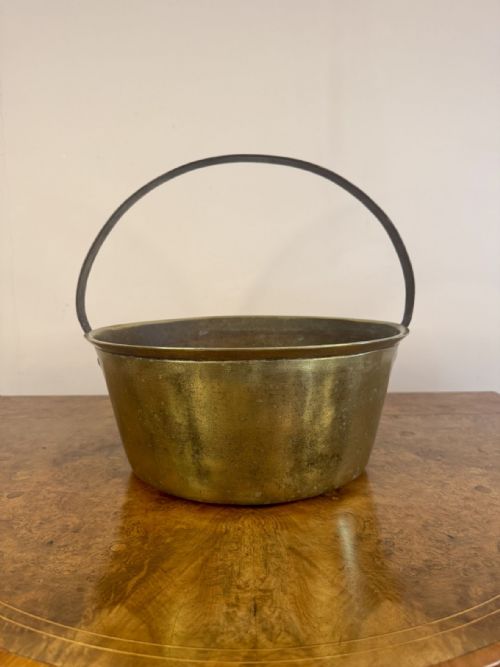
A swing handle allows a heavy brass pan to tilt smoothly when tipping hot jam.
What varies in quality
Thickness of the metal wall and overall heft separate robust culinary vessels from lighter decorative items, with heavier pieces showing substantial weight that suited continuous hearth use. The calibre of the riveting at the handle attachment dictates structural integrity.
Finishing touches such as sturdy brass handles and well-formed rims distinguish utilitarian workshop output from standard production items.
The Vintage Preserving Pan Glossary
- Preserving pan
- A wide, deep metal pan used specifically for boiling fruit with sugar to make jam. It allows rapid evaporation.
- Jam pan
- An alternative term for a preserving pan, shaped with sloping sides to facilitate stirring large batches of boiling fruit.
- Cream setting pan
- A shallow or wide vessel used in dairies to let cream rise to the top of milk before skimming.
- Wrought iron
- Iron beaten into shape by hand while hot, commonly used for durable handles on heavy kitchen vessels.
Vintage Preserving Pan: Frequently Asked Questions
What were vintage preserving pans used for?
These pans served primarily in domestic kitchens for boiling down seasonal fruit with sugar to create jams and preserves. Their wide, open bowls allowed steam to escape efficiently during long simmering sessions on the hearth.
Certain variants also functioned as cream setting pans in dairies or general cooking vessels for large households before modern cookware arrived.
How do I clean a copper pan?
Copper responds well to traditional metal cleaners or a paste of salt and vinegar to lift oxidation and restore the warm metallic lustre. Avoid harsh scouring pads that scratch the soft surface.
Keep the metal dry after washing to prevent water spots and tarnishing from forming on the exterior.
Can I use these pans on a modern stove?
Many of these heavy metal pans conduct heat effectively and sit flat enough for modern gas or electric hobs. Induction cooktops require ferrous metal content, so check whether your specific pan contains iron.
Exercise caution with older riveted bases on modern glass cooktops to avoid scratching the glass surface.
How do I tell George III pans apart from Victorian ones?
George III pieces date from the late eighteenth and early nineteenth centuries, often exhibiting distinct hand-beaten characteristics of Georgian metalworking. Victorian examples frequently display heavier standardised construction and mid-nineteenth-century form.
Stylistic cues in the handle attachments and rim shaping help distinguish the earlier Georgian workshop methods from later Victorian production.