




Vintage Pouffe
A vintage pouffe offers low seating or a place to rest the feet, bringing rich textures and period character to a room.
Vintage Pouffe
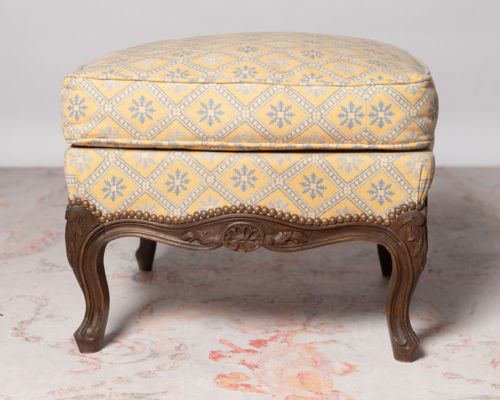
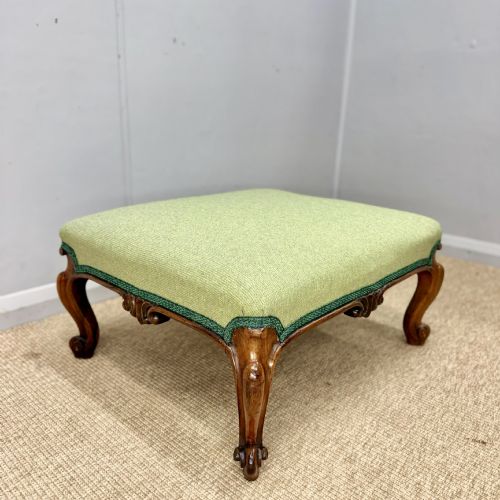
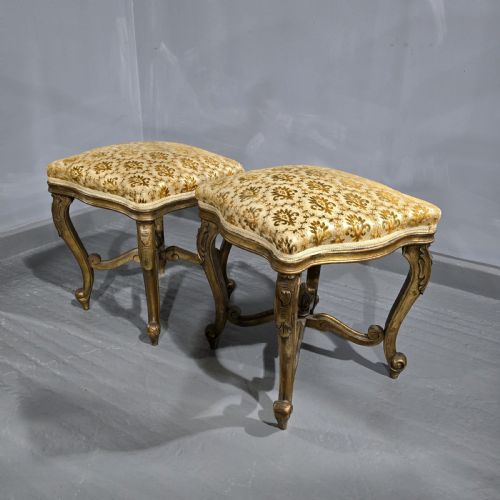
When buyers search for a vintage pouffe, they encounter footstools, ottomans, and dressing stools spanning the nineteenth and early twentieth centuries.
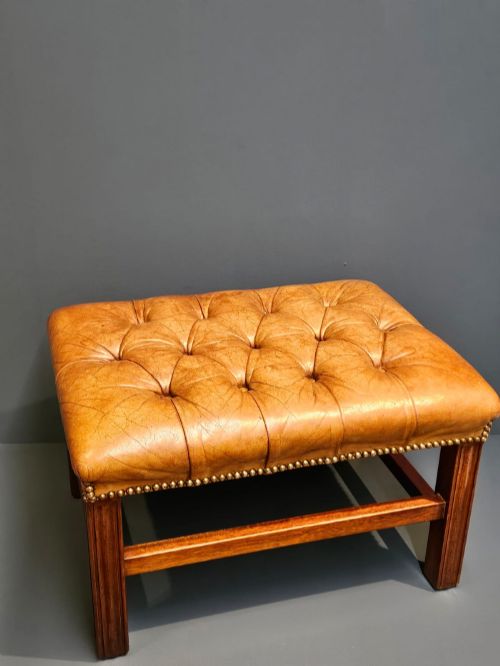
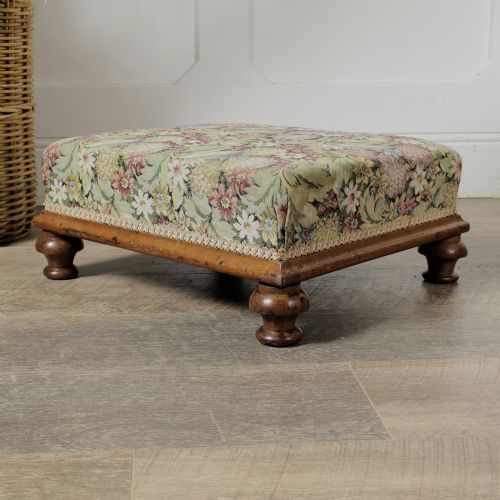
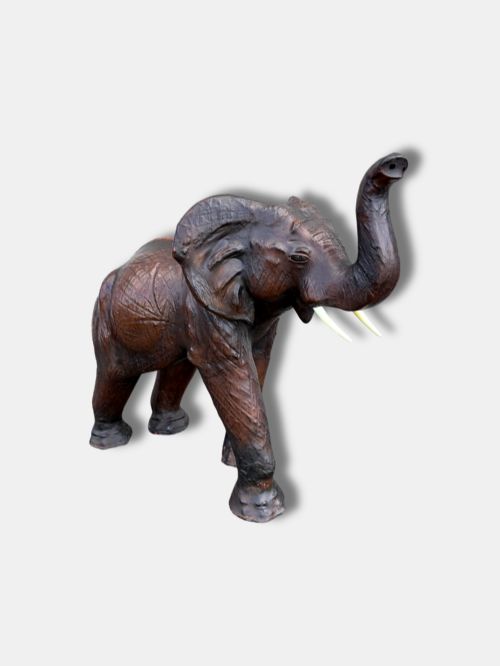
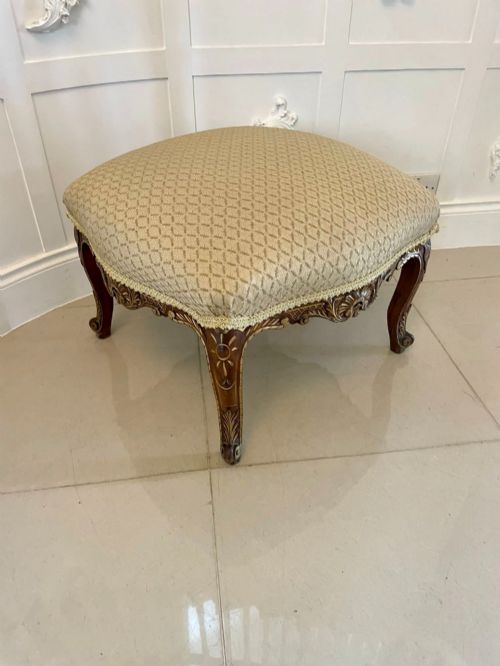
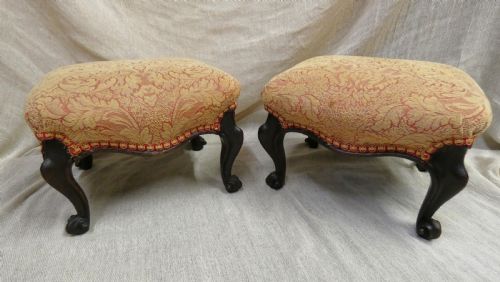
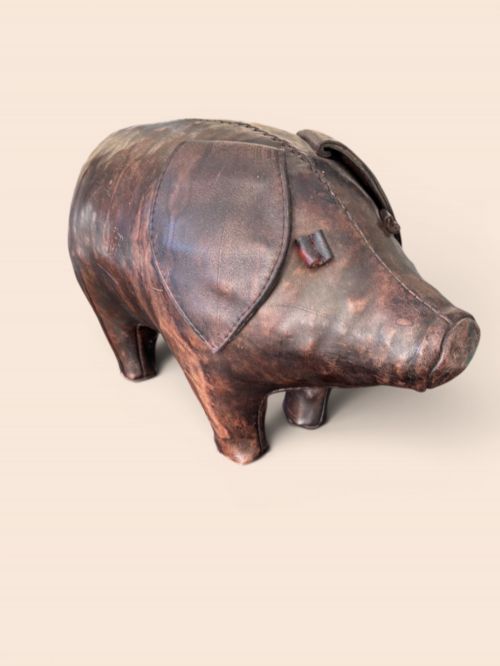
The most common forms on this page include Victorian floral tapestry footstools, deep-buttoned leather ottomans, and twentieth-century animal novelties.
Originating across English and French workshops, these pieces range from austere mahogany frames to gilt wood and carved beech styles.
Materials and construction
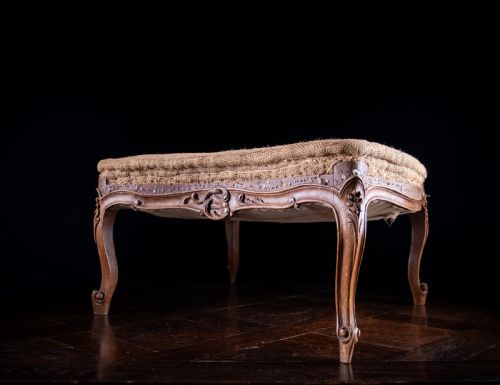
Makers shaped these frames from dense hardwoods like mahogany, oak, rosewood, sycamore, and beech, often adding carved detail or gilding.
Upholstery relies on traditional textiles including chenille, velvet, needlepoint, silk, and heavy leather, frequently finished with buttoning or brass tacks.
Vintage Pouffe Retail Price Guide 2026
Typical asking prices for vintage pouffe among the pieces listed under this phrase on Sellingantiques today, from the lower quarter to the upper quarter. They describe what is for sale here now, not the wider market.
Periods represented span from the 1850s through the Victorian era and into Art Deco designs of the 1930s.
Assessing craftsmanship and condition
Quality rests in the solidity of the timber frame, the crispness of any hand-carving, and the integrity of the underlying webbing and stuffing.
Pieces bearing the stamps of established cabinet makers or retaining their period leather and needlework sit firmly at the upper end of the range.
C. 1930, 'Old Bill' for Liberty·Omersa Workshop Liberty's·Howard & Sons·Whytock and Reid
The Vintage Pouffe Glossary
- Ottoman
- A low, upholstered seat or footstool without arms or a back. It often provides internal storage beneath a hinged or lift-off top.
- Cabriole leg
- A furniture leg that curves out and then in, resembling the leg of an animal. This classic form appears frequently on eighteenth and nineteenth-century stools.
- Needlepoint
- Embroidery stitched onto a canvas mesh to create dense, pictorial patterns. It is commonly found on Victorian footstool covers.
- Gilt
- A thin layer of gold leaf applied to wood or metal surfaces. It creates a bright, reflective finish seen on decorative French and English stools.
Vintage Pouffe: Frequently Asked Questions
What is a vintage pouffe used for?
These pieces serve primarily as low footrests, dressing table seats, or flexible extra seating in living spaces and bedrooms.
Larger ottoman variations also function as informal coffee tables or end-of-bed benches when paired with a sturdy tray.
How do I identify a Victorian footstool?
Victorian examples typically feature dark timber frames in mahogany, walnut, or rosewood, paired with heavy buttoned leather or floral tapestry upholstery.
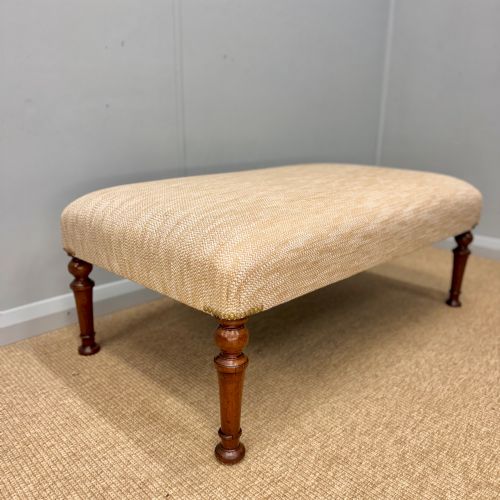
Turned wooden legs and deep-buttoned padding remain strong indicators of mid-to-late nineteenth-century English manufacture.
Are these leather animal stools antique?
Certain leather animal footstools originate from the early twentieth century, produced by retailers such as Liberty and associated workshops.
They utilise thick stitched leather moulded into shapes like elephants and pigs, complete with glass eyes and brass details.
How should I care for antique upholstery?
Original textiles require gentle vacuuming with a soft brush attachment and protection from direct sunlight to prevent fading and fibre degradation.
Leather surfaces benefit from periodic treatment with appropriate balms to keep the hide supple and prevent cracking.