






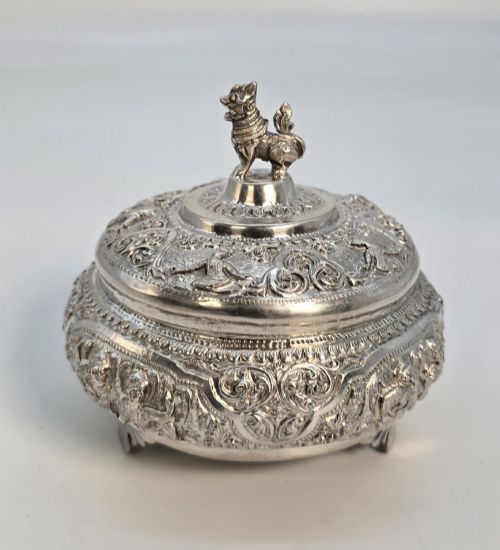
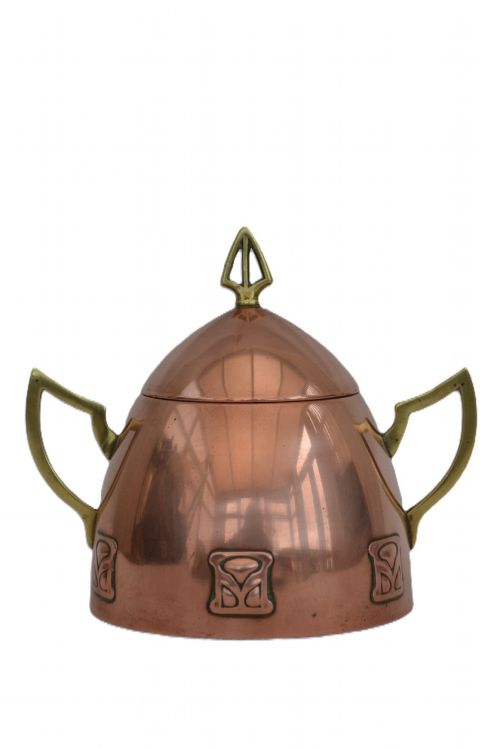

Vintage Pot Lid
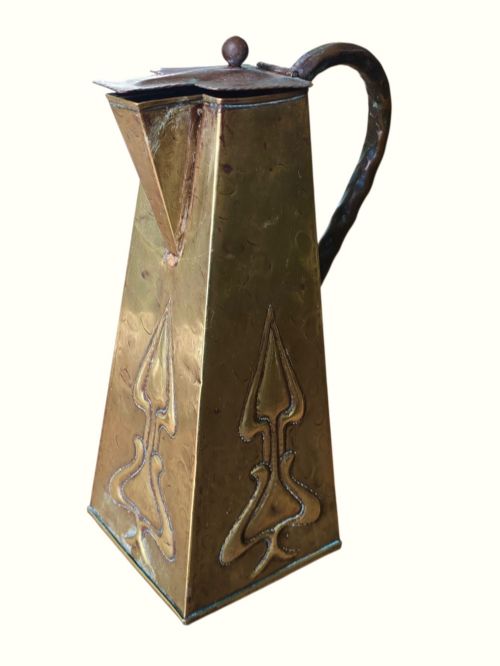
These diverse lidded vessels and containers, often grouped under the search phrase vintage pot lid, offer practical storage and intricate craftsmanship for any interior.
Vintage Pot Lid
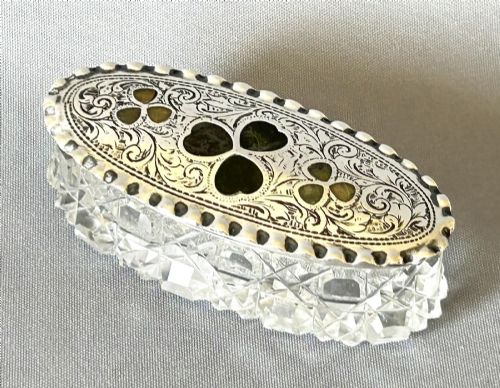
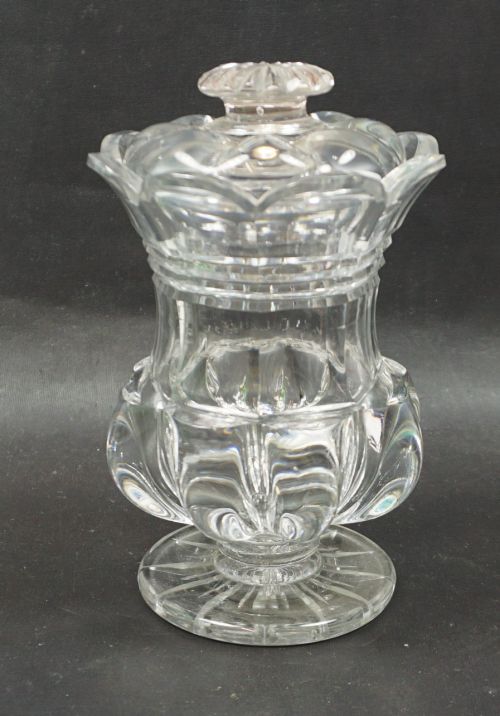
When searching for a vintage pot lid, a buyer encounters a diverse array of lidded containers, jars, and boxes spanning multiple centuries. The selection includes everything from Edwardian glass trinket boxes and Art Deco powder bowls to Georgian cut glass butter dishes and 18th century Dutch delft tobacco jars.
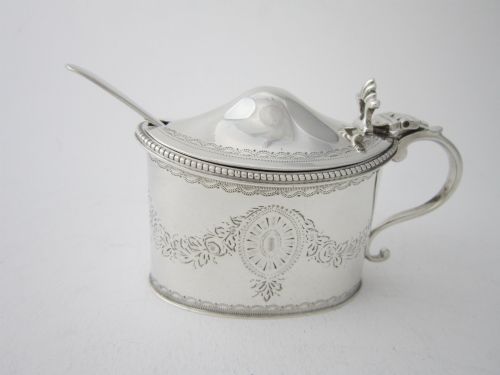
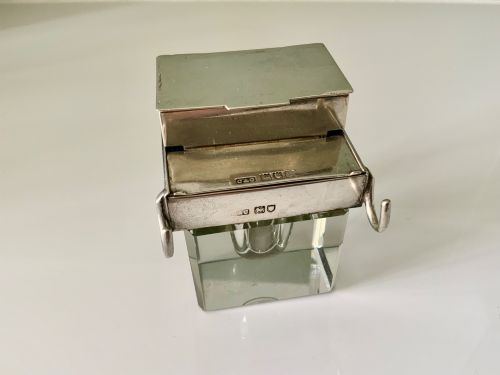
Most pieces on this page lean towards decorative and functional tabletop items, such as vanity jars, inkwells, sugar bowls, and preserve jars. Materials range widely across porcelain, enamel, sterling silver, cut glass, copper, and ceramic, reflecting global manufacturing traditions from English factories to Japanese cloisonné workshops.
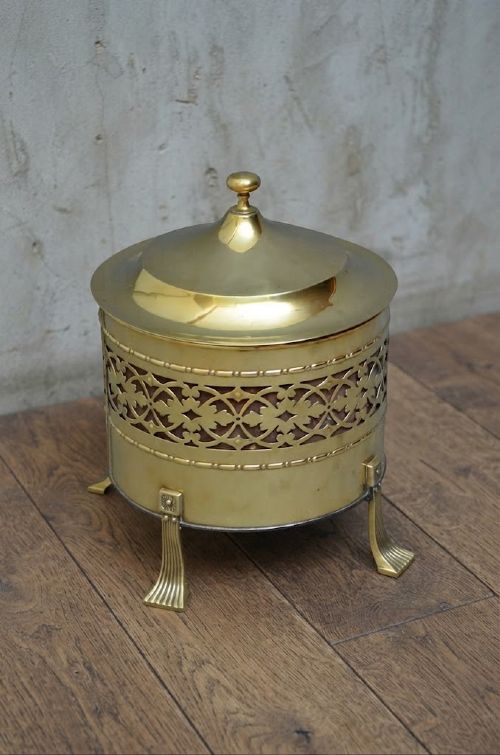
Forms also encompass larger domestic objects like brass coal buckets, copper log bins, and porcelain pot pourri vases alongside smaller dresser pots. This variety means a collector might select a dainty green glass dressing table jar or a robust stoneware inkwell depending on the intended room.
Materials and construction methods
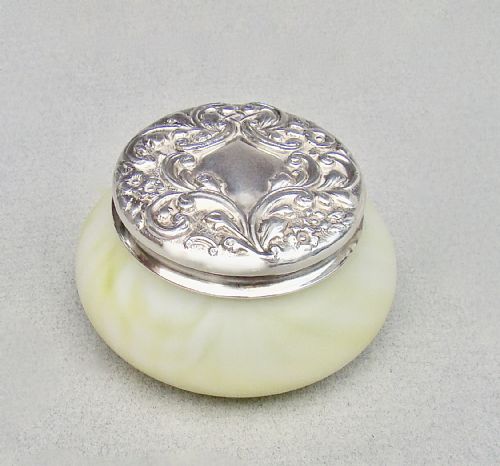
The construction of these lidded containers relies heavily on the combination of moulded or cut glass with metal mountings in sterling silver, brass, or copper. Artisans frequently paired transparent, cranberry, or satin glass with hallmarked silver lids manufactured in Birmingham and London during the Edwardian and Art Deco periods.
Ceramic and pottery pieces utilise traditional throwing, moulding, and painting techniques, demonstrated by hand-painted Royal Worcester fruit designs and Masons Ironstone Imari patterns. Metalwork techniques span intricate Japanese cloisonné enamel over metal bases, hammered copper plating by firms like WMF, and detailed fretwork on brass coal buckets.
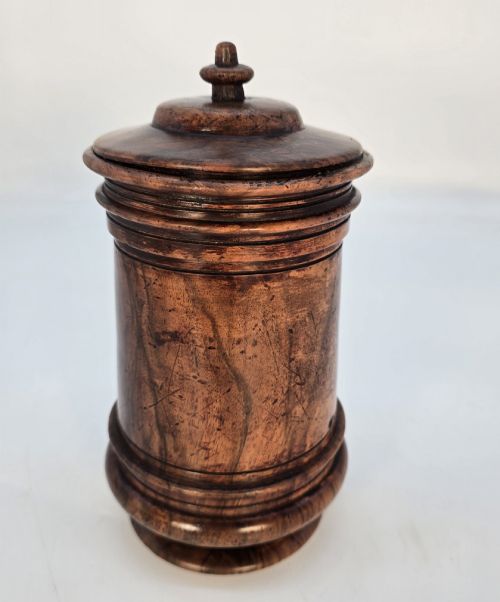
Organic materials such as walnut treen, carved hardwood, and Connemara marble appear alongside fine porcelain and enamel, showing a diverse material palette. Skilled joinery, precision glass-cutting, and metal smithing define the fabrication across the various centuries represented.
Vintage Pot Lid Retail Price Guide 2026
Typical asking prices for vintage pot lid among the pieces listed under this phrase on Sellingantiques today, from the lower quarter to the upper quarter. They describe what is for sale here now, not the wider market.
Listings feature items spanning the 18th, 19th, and 20th centuries, utilising materials from sterling silver and brass to porcelain and cut glass.
Factors influencing quality and craftsmanship
Quality in these lidded containers rests upon the precision of the manufacturing and the integrity of the materials used. Hand-painted ceramic details, crisp glass pillar moulding, and fine metalwork clearly separate superior examples from standard production pieces.
The integration between the lid and the base demonstrates the maker's skill, particularly in silver-mounted glass items and fitted ceramic jars. Signed works by established porcelain artists or documented makers add a layer of distinction to the craftsmanship.
Royal Worcester·Plichta Pottery·Royal Winton·Richard Ginori·Baccarat
The Vintage Pot Lid Glossary
- Pot pourri
- A vase or jar with a pierced or perforated cover designed to hold dried scented plant material. These vessels allow fragrance to diffuse while concealing the contents.
- Cloisonné
- An enamelwork technique where thin metal wires are soldered to a base to form compartments, which are then filled with coloured paste and fired. Japanese examples from the 19th century frequently display this method.
- Treen
- Small handmade wooden objects produced before the widespread use of plastics. Walnut and hardwood examples appear among early tobacco jars and boxes.
- Latticinio
- A type of glasswork featuring fine white or coloured threads embedded in clear glass, often forming net or lace patterns. This technique appears in 19th-century sugar bowls and decorative vessels.
Vintage Pot Lid: Frequently Asked Questions
What were vintage pot lids and vanity jars used for?
These vessels served everyday storage functions on dressing tables, desks, and sideboards. They held powders, cosmetics, trinkets, ink, tobacco, and preserves.
Over time, their utility shifted from domestic storage to decorative display, though many retain their original compartments and fitted lids.
How do I date a silver-mounted glass jar?
Silver mounts on dressing table jars and trinket boxes frequently carry hallmarks that reveal the assay office, city, and year of manufacture. British pieces often bear stamps from locations such as Birmingham or London.
Stylistic cues in the glass cutting and the shape of the metal mount provide additional context for determining the production era.
What is the difference between a trinket box and a powder jar?
Trinket boxes generally feature hinged metal mounts securing glass, marble, or porcelain lids, intended for jewellery and small personal items. Powder jars and cosmetic pots usually possess loose-fitting lids resting on ceramic or glass bowls.
Powder containers also tend to have wider openings to accommodate puffs and loose cosmetics.
How should I display glass and ceramic lidded pots?
Place these containers on stable surfaces away from direct sunlight to protect enamel work, painted porcelain, and coloured glass. Grouping items by material, such as assembling cut glass and silver vanity jars together, highlights their reflective qualities.
Ensure that lidded pieces sit level on shelves or tables to prevent accidental slips.