
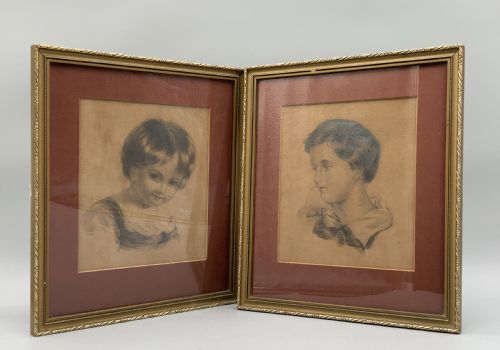


Vintage Portrait Sketch Paper
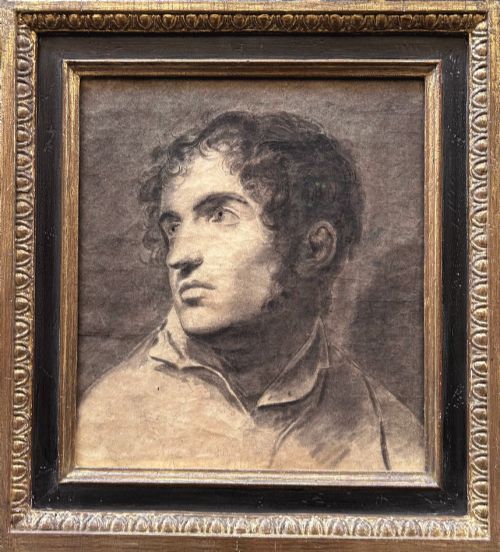
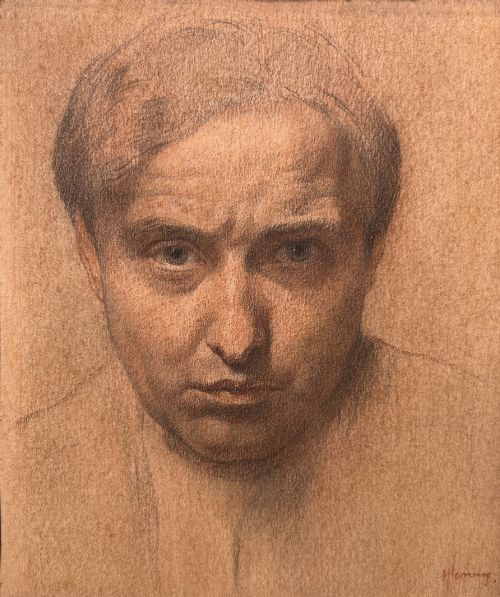
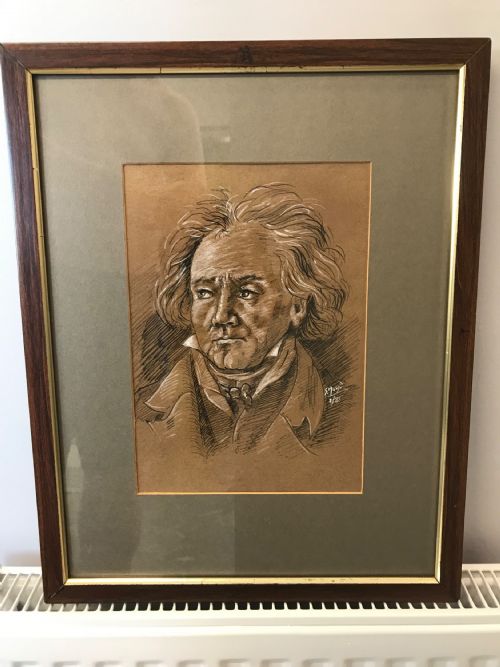
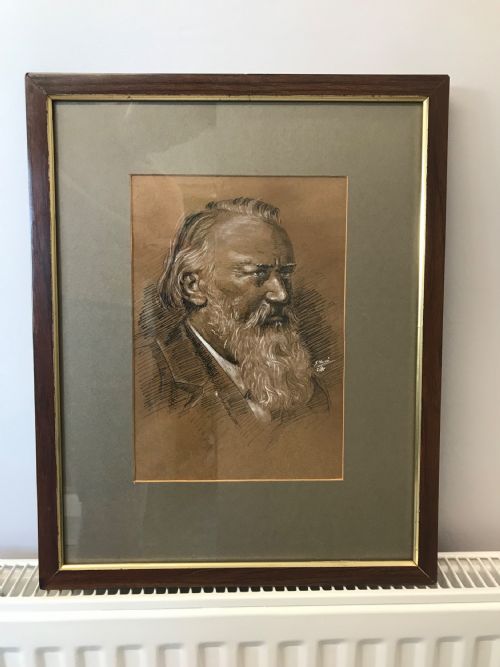
These vintage portrait sketch paper works capture direct likenesses across centuries through intimate marks of pencil, charcoal, and ink.
Vintage Portrait Sketch Paper
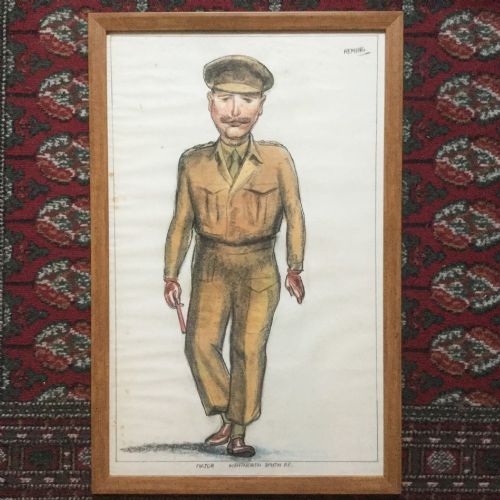
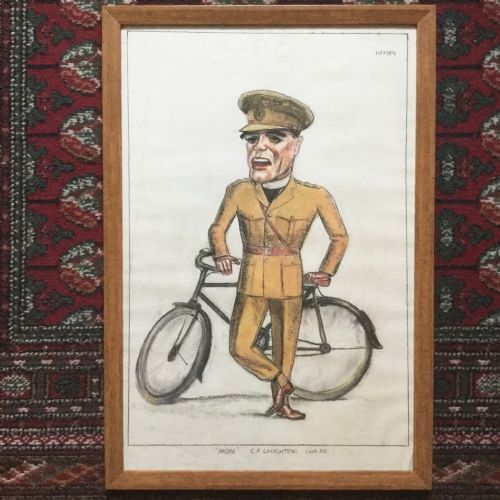
When searching for vintage portrait sketch paper, collectors look at original works on paper capturing individual likenesses through immediate graphic marks. These pieces span periods from the nineteenth century through the mid-twentieth century, encompassing academic studies, wartime sketches, and finished character portraits.
How they were made
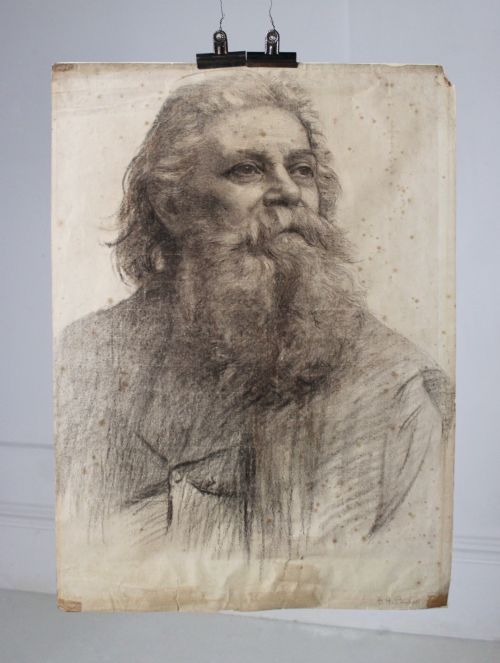
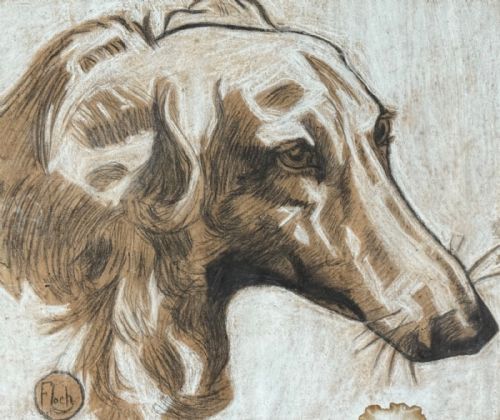
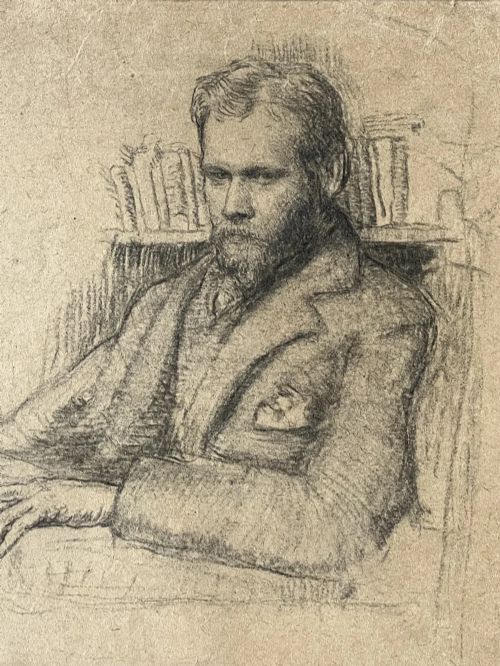
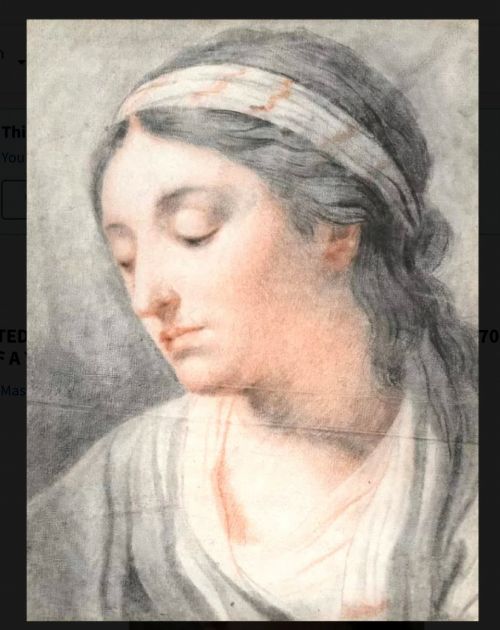
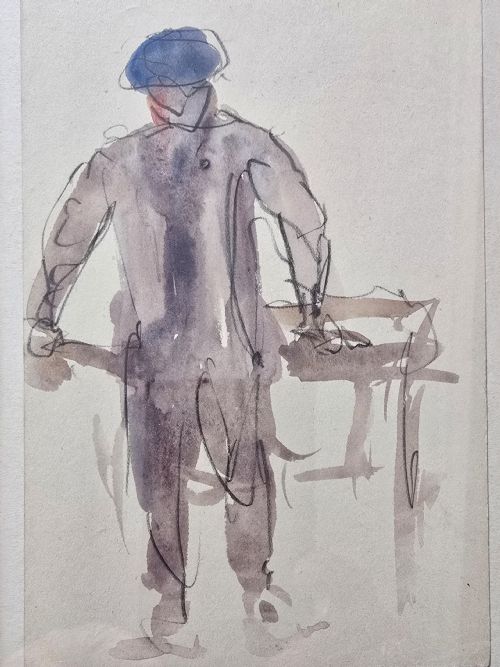
Artists utilised traditional drawing media such as graphite pencil, compressed charcoal, and coloured chalks applied directly to paper supports, occasionally incorporating watercolour washes or gouache for tonal depth. These materials allowed draughtsmen to record rapid observations or build up carefully shaded academic studies.
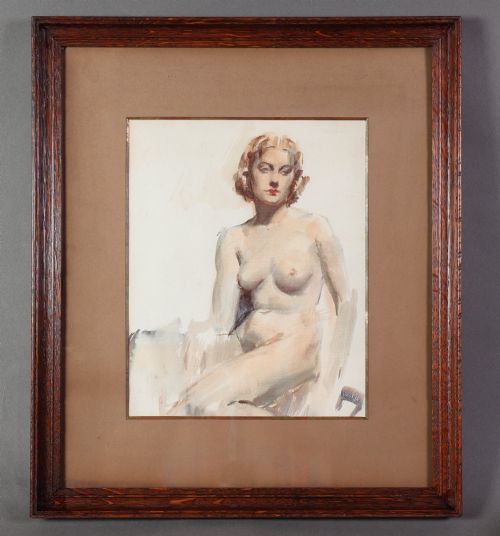
The choice of paper significantly influences the appearance of each sheet, with various textured, buff, or tinted stocks interacting with the dry media. Many surviving examples retain their period framing, utilising wood and glass to protect the delicate charcoal and pastel surfaces from atmospheric damage.
Listings feature works spanning from the eighteenth century to the mid-twentieth century, utilising paper, charcoal, pencil, chalk, and watercolour.
What varies in quality
Quality in these works rests upon the confidence of the draughtsmanship and the psychological depth captured in the sitter's expression. Superior examples demonstrate a mastery of line and tone that conveys immediate vitality, whereas lesser pieces rely on rigid formulas without capturing individual character.
The preservation of the paper surface and the integrity of the medium also dictate the standing of a piece. Stronger works maintain vibrant pigment without excessive fading or foxing, preserving the immediacy intended by the artist at the time of creation.
Augustus John·John Duncan Fergusson·Mariette Lydis·Aubrey Sykes·Charles Prosper Sainton
The Vintage Portrait Sketch Paper Glossary
- Buff paper
- A pale yellowish-brown paper stock commonly used by artists to provide a neutral mid-tone background for highlights in white chalk or gouache. This surface adds warmth to pencil and ink drawings.
- Academic life study
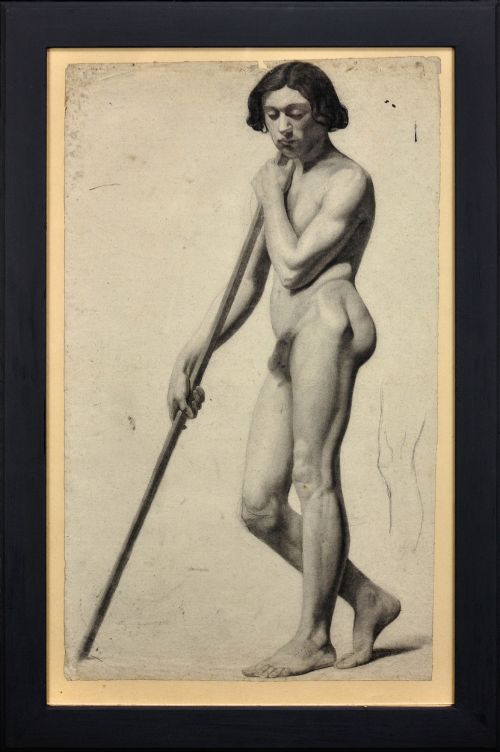
- A detailed drawing of a nude or clothed model, typically produced within an art school setting to demonstrate anatomical understanding and technical proficiency. These studies formed a core part of traditional artistic training.
- Sanguine
- A reddish-brown chalk or crayon used extensively for portrait drawings from the Renaissance onwards. It derives its name from the Latin word for blood.
- Gouache
- An opaque watercolour medium composed of pigment mixed with a water-soluble binder and an inert white material. It provides solid, matte areas of colour that sit distinctly upon the paper surface.
- Foxing
- Brown spots or discolouration appearing on old paper caused by chemical reactions over time. Collectors observe this condition to assess the environmental history of the sheet.
Vintage Portrait Sketch Paper: Frequently Asked Questions
How should I frame portrait drawings?
Works on paper require conservation-grade mounting to ensure the delicate charcoal, pencil, or pastel medium does not touch the glass directly. Acid-free materials prevent chemical degradation of the paper over time.
Keeping frames sealed protects the drawing from dust and ambient moisture. Positioning pieces away from direct sunlight preserves the original tones of the ink and paper.
What defines a life study?
Life studies are drawings executed from live models, often within formal academic settings or artist studios. They emphasise accurate human anatomy, posture, and tonal modelling rather than finished portraiture.
These sheets provide insight into the rigorous training historical artists underwent. Collectors value them for their raw observation and energetic line work.
How do I identify different drawing media?
Graphite pencil leaves a metallic grey mark that reflects light, whereas charcoal produces a deep matte black line that smudges easily. Chalk and pastel offer softer, friable textures that sit visibly on top of the paper fibres.
Watercolour and gouache introduce fluid washes or opaque blocks of pigment. Examining the surface closely under magnification reveals how the artist applied each material to the sheet.
Are these works always signed?
Many historical portrait sketches remain unsigned because they were kept within private studio collections or executed as preliminary exercises. Attribution often relies on stylistic comparison, old inscriptions, or established provenance.
Signed pieces carry the name of the draughtsman or school, confirming the author's identity. Unsigned examples remain equally collectible when their quality and period characteristics are evident.