
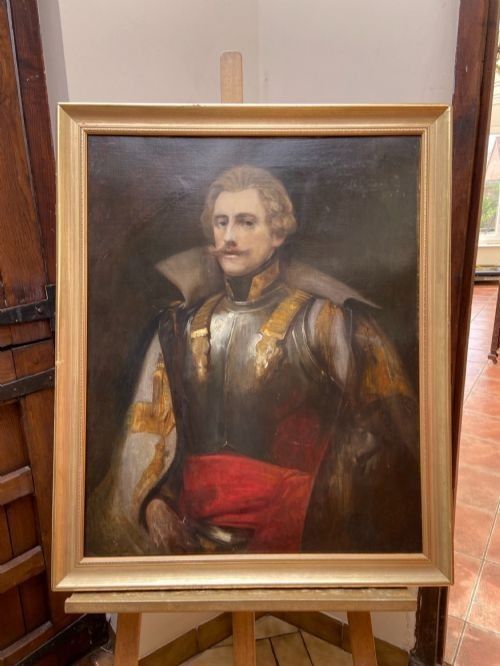
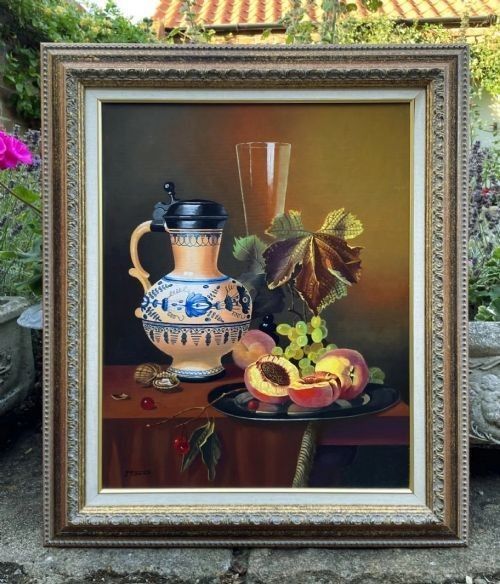
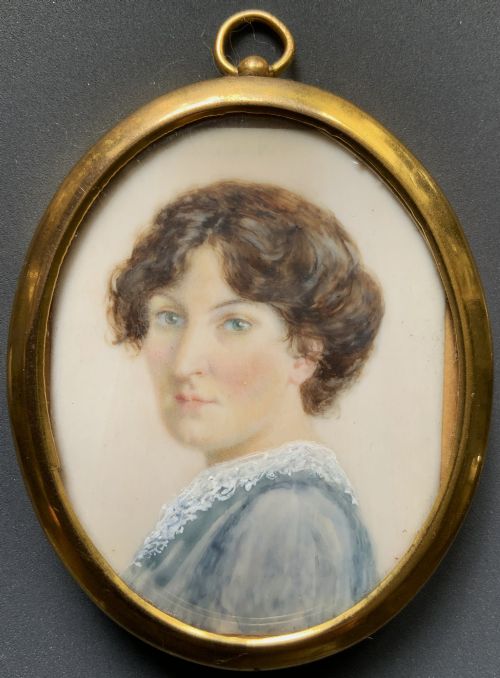
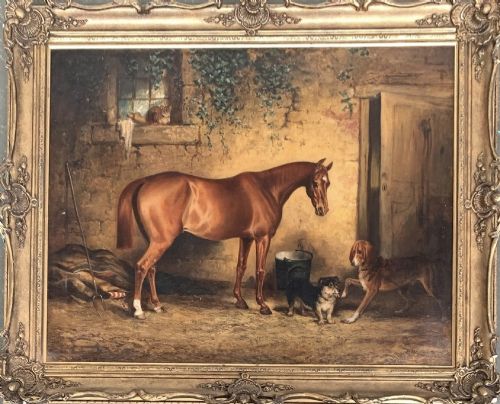
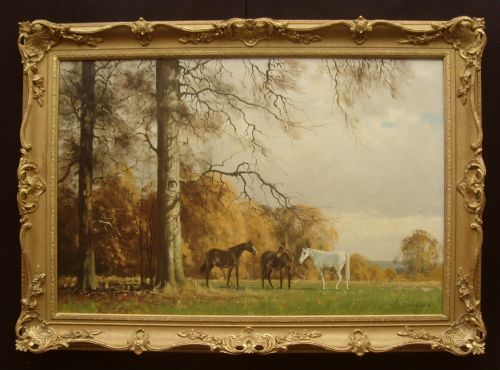
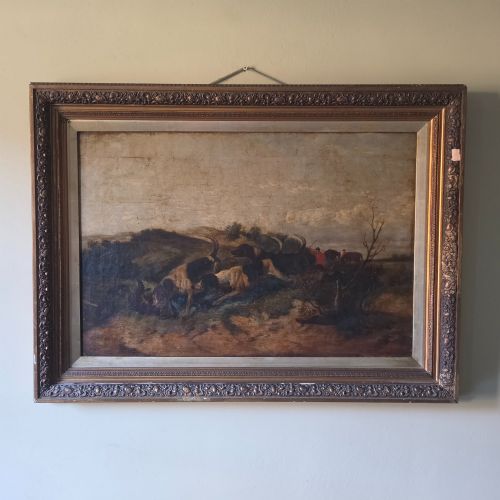
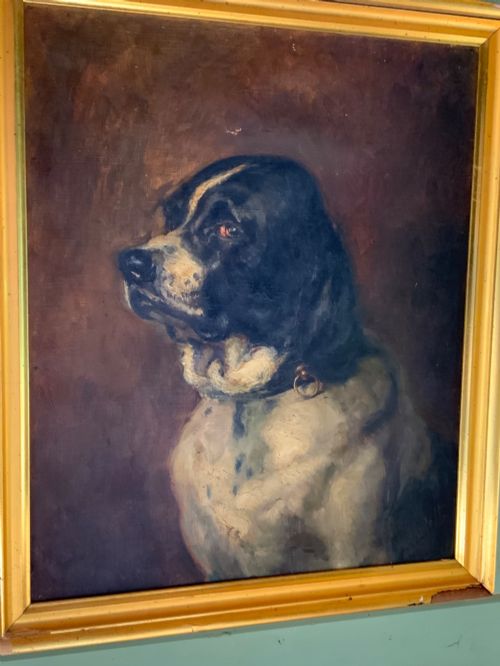
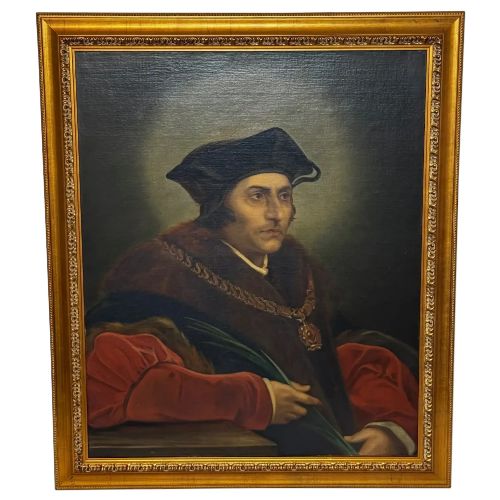
Vintage Portrait in Gilt Frame
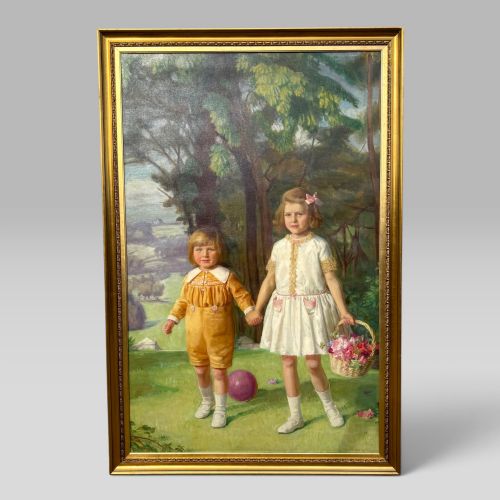
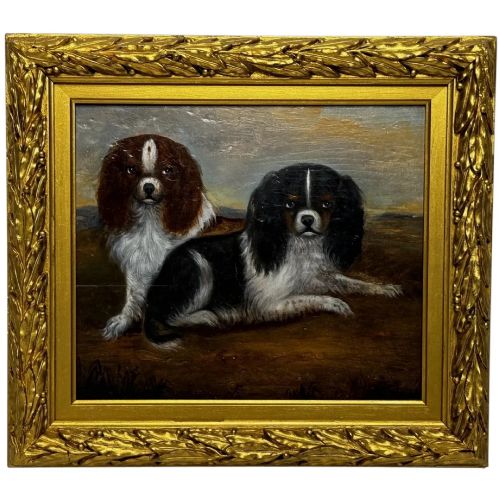
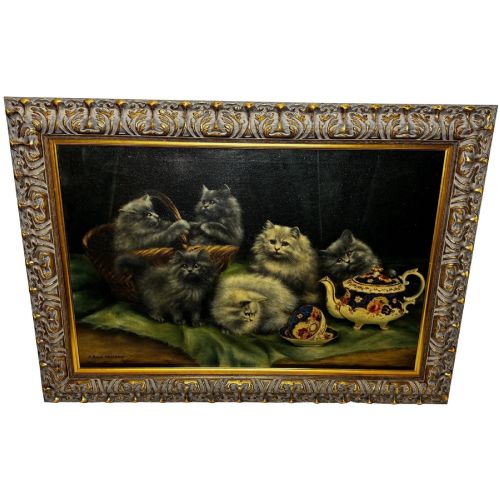
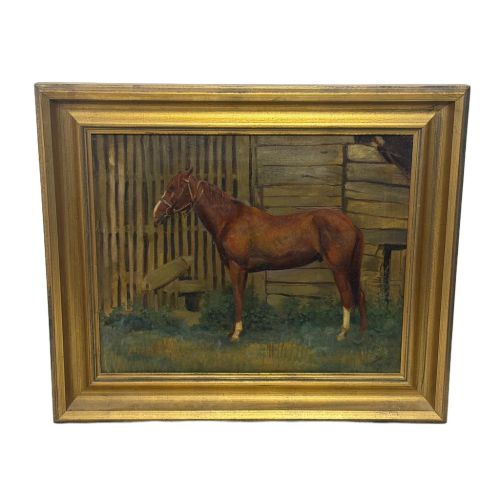
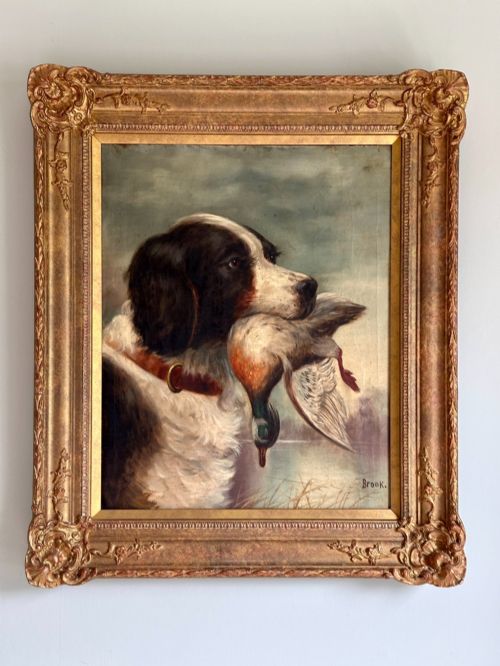
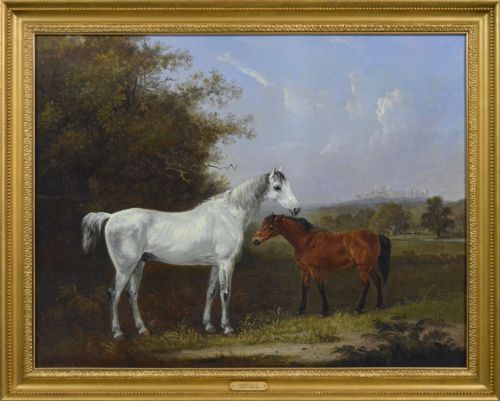
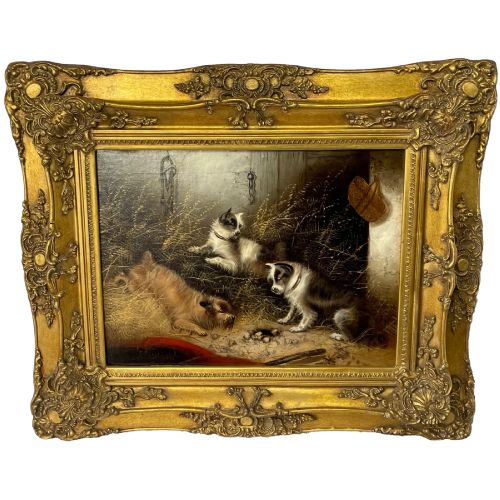
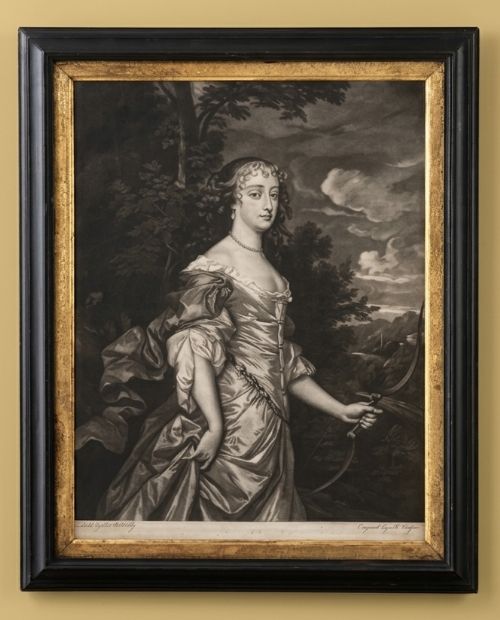
A vintage portrait in gilt frame brings historic character into a room through oil paint, pastel or engraving held in gilded wood.
Vintage Portrait in Gilt Frame
A vintage portrait in gilt frame combines painted or printed likenesses with ornate wooden borders finished in gold leaf or metallic paint. These items span centuries of artistic production, ranging from 17th-century nobility oil paintings to mid-20th-century pastel studies and prints.
The version most commonly encountered on this page is the 19th-century oil on canvas or board, depicting figures, animals or classical subjects within a moulded or swept gilded surround. Buyers often select these works to anchor a wall arrangement or to introduce traditional depth into modern interiors.
How they were made
The physical objects rely on oil paint applied to stretched canvas or wooden boards, alongside works executed in pastel on paper, mezzotint engravings and drypoint prints. These images sit securely inside frames constructed from wood, which are then primed, gilded with gold leaf or finished with gilt bronze and gesso mouldings.
Makers utilised traditional joinery for the picture frames, incorporating corner blocks and carved ornamentation characteristic of periods such as the Georgian, Victorian and Regency eras. The union of the canvas medium and the gilded surround creates a cohesive visual object designed to preserve the artwork.
Listings feature periods from the 17th century through to the 1960s, encompassing oil paintings, pastels and engravings.
What varies in quality
The craftsmanship of the gilt frame contributes heavily to the overall merit of the piece, particularly where hand-carved gesso, deep profiling and original gold leaf remain intact rather than later metallic paints.
John Boydell·Pier Francesco Mola·Leonardo Da Vinci·Jozsef Molnar·Georges de La Tour·JOHN HAYLS·Emily Eyres·William McAlpine·Reginald Arthur Borstel·Jeremiah Meyer·Kurt Meyer-Eberhardt·Jean-Gabriel Domergue
The Vintage Portrait in Gilt Frame Glossary
- Mezzotint
- A printmaking process of the intaglio family where the plate is roughened to achieve rich tonal gradations. It allows for subtle shifts in light and shadow particularly suited to portraiture.
- Giltwood
- Wood that has been covered with a thin layer of gold leaf or powder. This finish protects the underlying timber while providing a reflective, luminous border for artwork.
- Drypoint
- A printmaking technique where an image is scratched directly into a metal plate with a sharp needle. This process produces characteristically velvety lines due to the displaced metal burr.
- Gesso
- A plaster-like mixture applied to wood frames as a base for gilding. It is often moulded or carved into decorative patterns before the application of gold leaf.
Vintage Portrait in Gilt Frame: Frequently Asked Questions
How do I hang a heavy framed portrait?
Heavy oil paintings in gilt frames require robust wall fixings such as screws anchored into masonry or wall studs. Utilising picture wire rated well above the weight of the piece ensures secure mounting.
Position the centre of the portrait at eye level, typically around eye height from the floor, to achieve proper visual balance in the room.
Can these portraits be cleaned safely?
Dust accumulates on the intricate mouldings of gilt frames and the surfaces of oil paintings over time. Use a soft, dry brush to gently remove particulate matter without applying pressure.
Avoid liquid cleaners or chemical solvents on both the canvas and the gilded wood, as moisture can lift old paint or degrade the gold leaf.
How do I identify the period of a frame?
Frame styles often correspond to specific eras, such as the ornate Rococo Revival mouldings or clean Regency profiles. Examining the construction methods at the reverse, including corner joins and wood type, aids dating.
Original frames frequently display shrinkage cracks in the gesso and mellowed gilding that match the age of the enclosed portrait.
Where should I display an antique portrait?
Select wall spaces away from direct sunlight and excessive humidity to protect oil paint, paper and gilt surfaces from fading or warping. Hallways, living rooms and studies provide traditional settings that complement historic artworks.
Pairing these portraits with neutral wall colours allows the rich tones of the canvas and the reflective quality of the frame to stand out.