

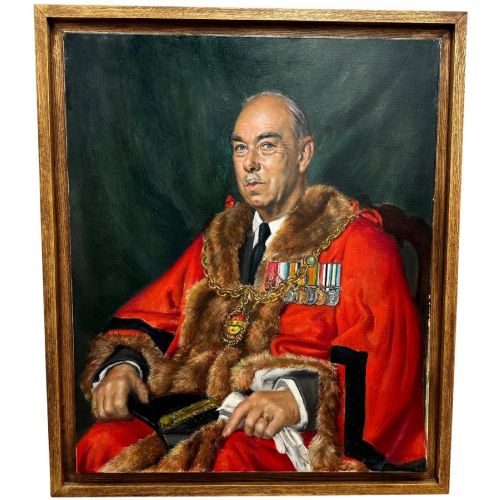
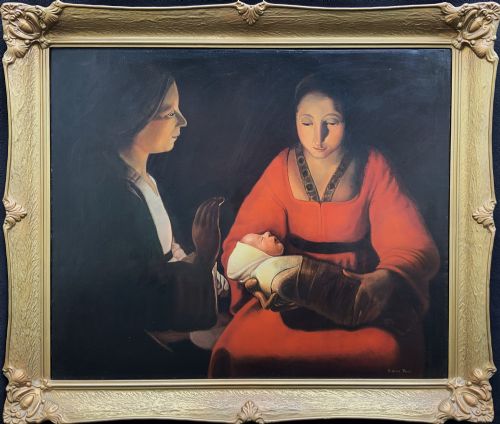
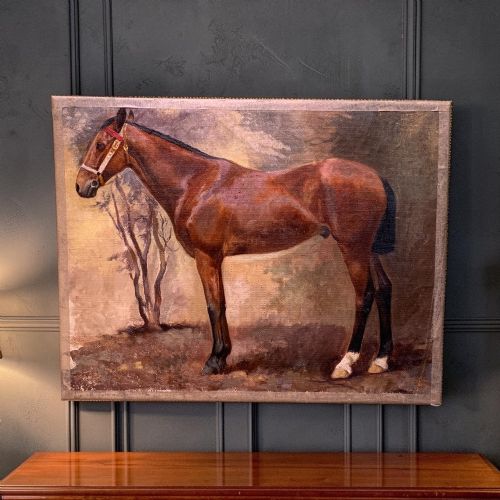


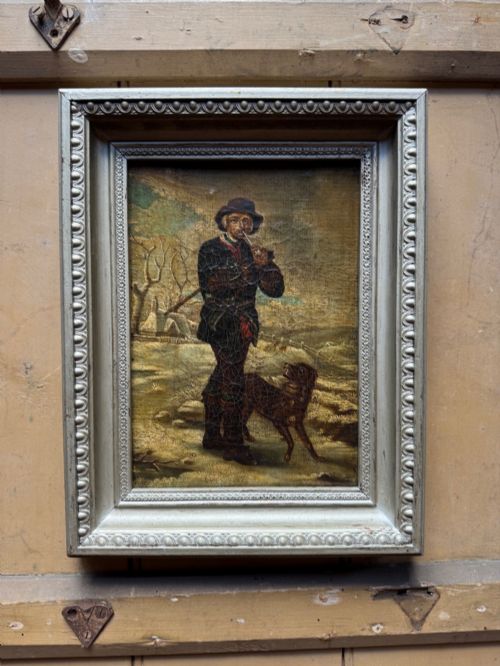
Vintage Portrait Canvas Painting
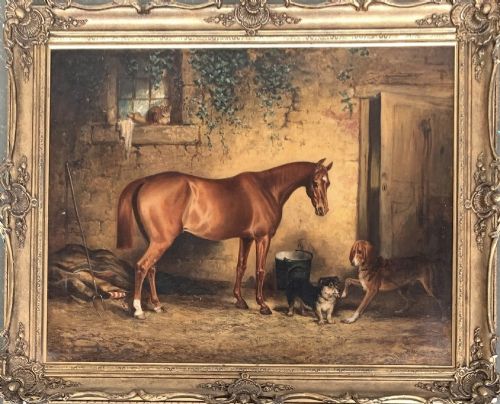
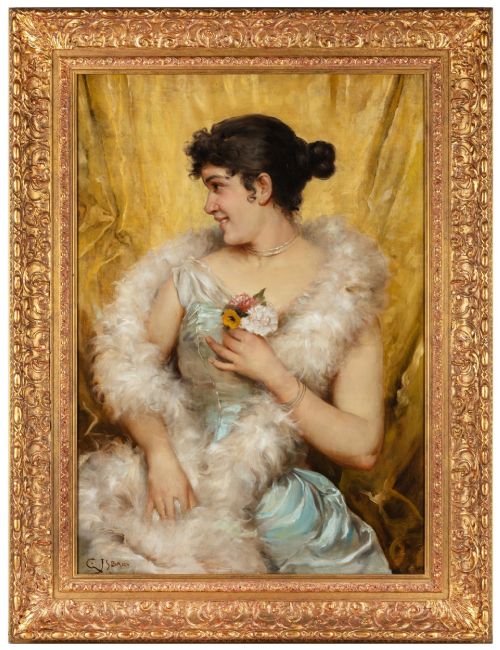
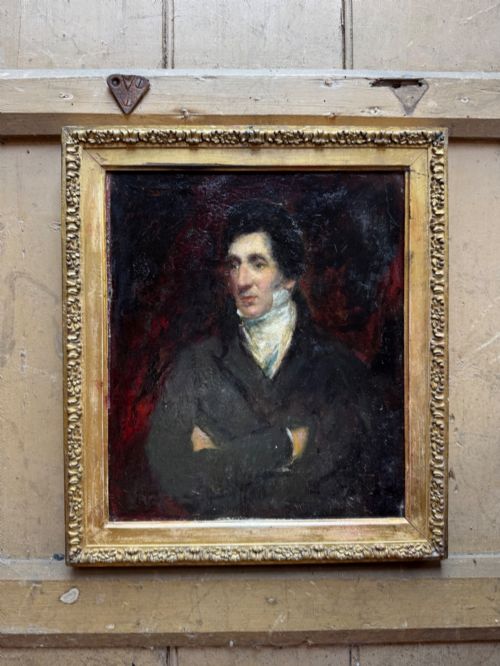
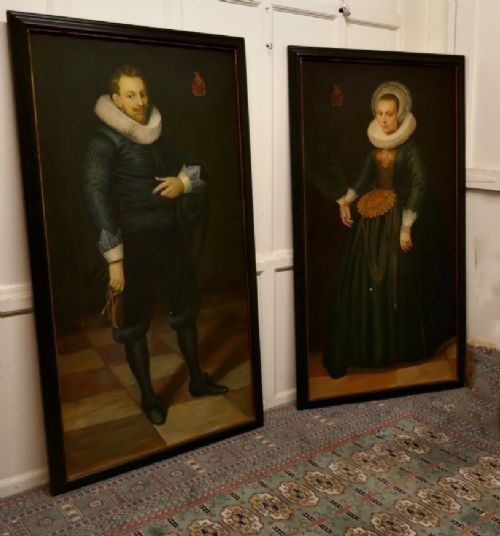
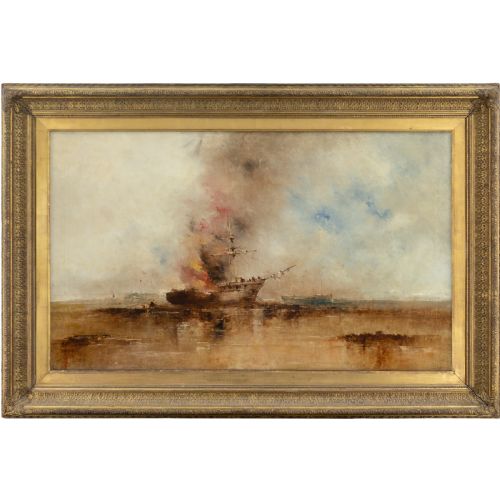
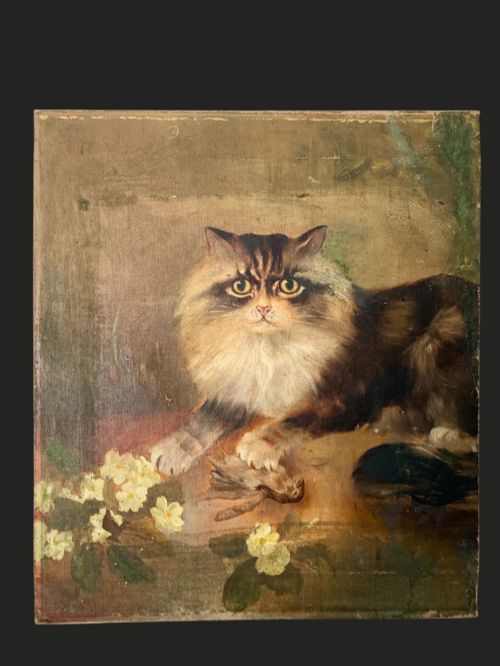
When you search for a vintage portrait canvas painting, you encounter centuries of oil works capturing human likeness, animals, and character.
Vintage Portrait Canvas Painting
A vintage portrait canvas painting brings historical presence into a room, depicting sitters ranging from Victorian gentlemen to mid-century figures.
The selection encompasses British and European schools, spanning naive studies, formal academic works, and modern interpretations.
Buyers frequently find depictions of identifiable subjects, self-portraits, and anonymous sitters rendered in oil paint.
Materials and construction
These works rely primarily on oil paint applied to woven canvas stretched across wooden frames, occasionally mounted on board or vinyl.
Many pieces retain their period frames, constructed from wood finished with gilt or gilding techniques to complement the painted surface.
The listings on this site span from the 17th century through the 1960s, utilising oil paint, canvas, wood, and giltwood.
Judging quality and execution
Quality rests in the handling of light, shadow, and anatomy, distinguishing confident brushwork from rigid or flat execution.
The preservation of the original paint surface and the structural integrity of the canvas and wooden stretcher dictate the longevity and visual impact of the piece.
Bernard Hailstone·Dumini Leopoldo·Eric Robertson·Carl Felkel·Herbert Ashwin Budd·Moussa Ayoub
The Vintage Portrait Canvas Painting Glossary
- Canvas
- A heavy woven fabric used as a surface for oil painting. It provides the foundational texture visible beneath many historical portraits.
- Giltwood
- Wood carved and coated with gold leaf or metallic paint. This material forms the ornate frames frequently housing period paintings.
- Naive school
- Art created by painters without formal academic training. These works display a charming, direct approach to perspective and proportion.
- Oil paint
- Pigment mixed with drying oil such as linseed. This medium allows for rich colour blending and subtle tonal gradations.
- Stretcher
- A wooden framework that holds the canvas taut. Older pieces often utilise wedges at the corners to adjust tension.
Vintage Portrait Canvas Painting: Frequently Asked Questions
How do I date an old canvas painting?
Dating relies on examining the canvas weave, the construction of the wooden stretcher, and the composition style typical of periods like the Victorian era or the 1920s.
Pigments and framing materials also offer clues, aligning with the chronological spans recorded in the evidence from the seventeenth century onward.
What is the difference between oil on canvas and oil on board?
Oil on canvas utilises a flexible woven textile stretched over a wooden frame, creating a characteristic texture and slight give.
Oil on board employs a rigid wooden or composite panel as the painting support, offering a completely flat surface without textile weave.
How should I clean a vintage oil painting?
Surface dust should be removed gently with a soft, dry brush by someone with appropriate care, avoiding any moisture or household cleaners.
Professional conservators handle deeper cleaning, as historical varnishes and oil layers require specialised chemical knowledge to avoid damage.
Are all these portraits painted from life?
While many record direct sittings, others draw from historical sources, photographs, or earlier masterpieces in the tradition of copying.
Paintings labelled as studies or after earlier artists represent interpretations rather than direct life commissions.