


Vintage Porcelain Wall Plates
These vintage porcelain wall plates bring hand-painted artistry, rich Imari patterns and delicate cabinet porcelain straight into interior displays.
Vintage Porcelain Wall Plates
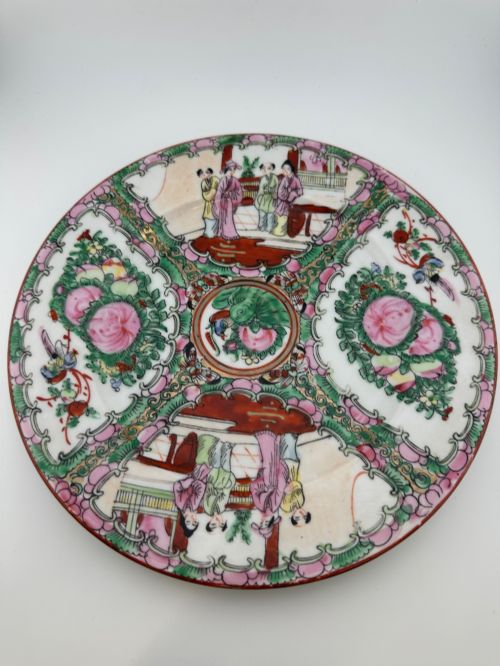
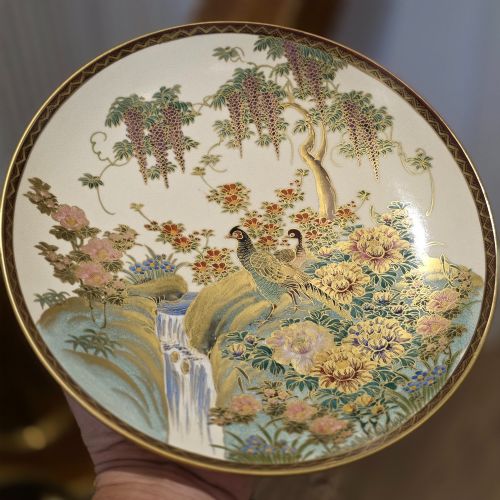
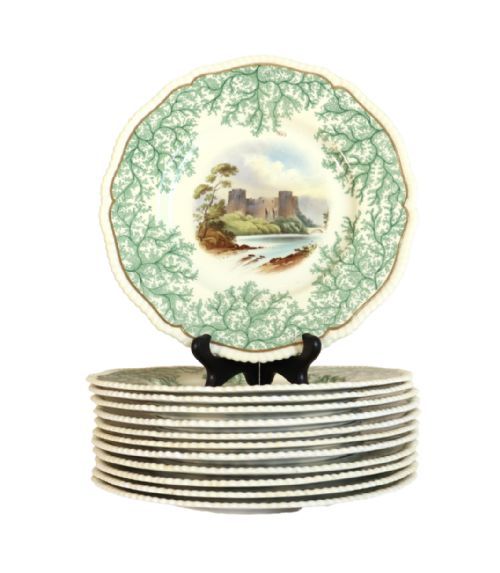
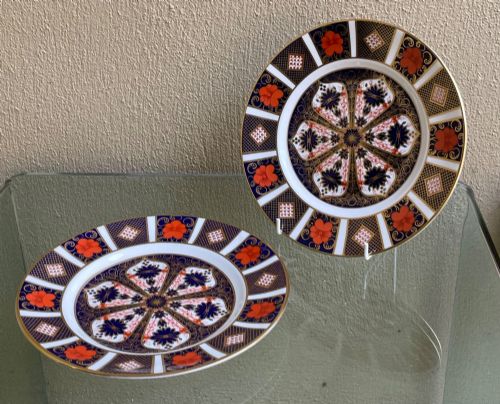
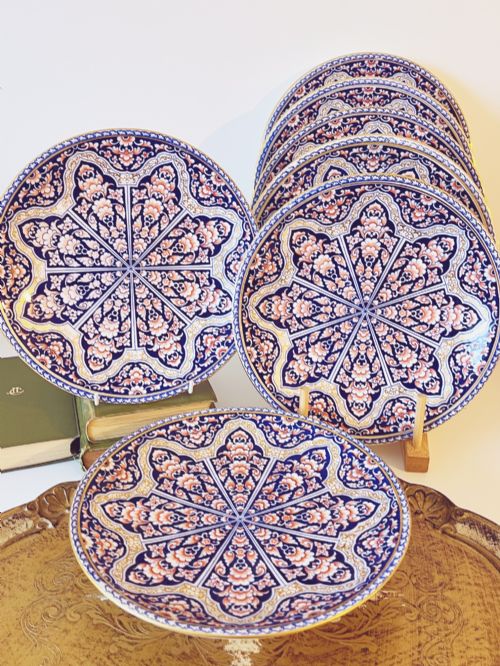
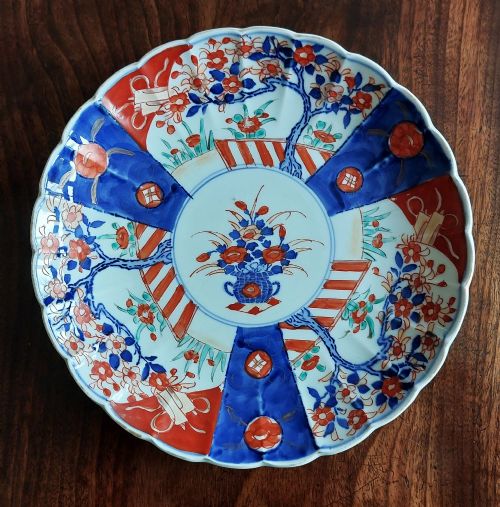
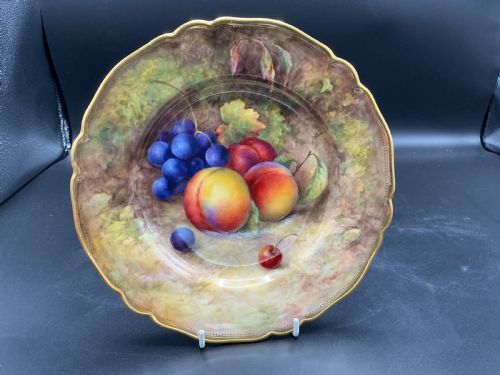
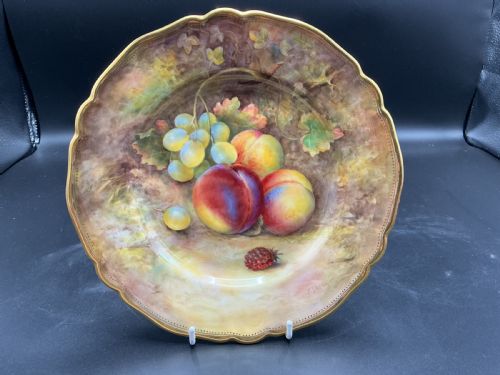
When buyers search for vintage porcelain wall plates, they encounter a diverse mix of decorative chargers, cabinet plates and painted dishes spanning multiple centuries. The selection ranges from nineteenth-century Japanese Imari chargers and Meiji period porcelain to English bone china and earthenware produced by notable factories.
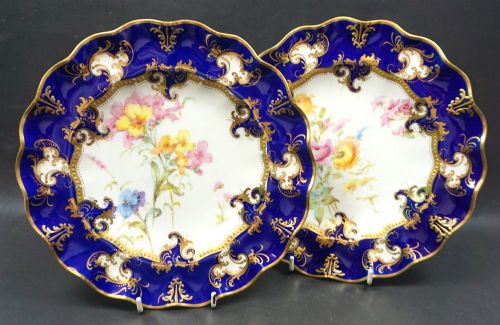
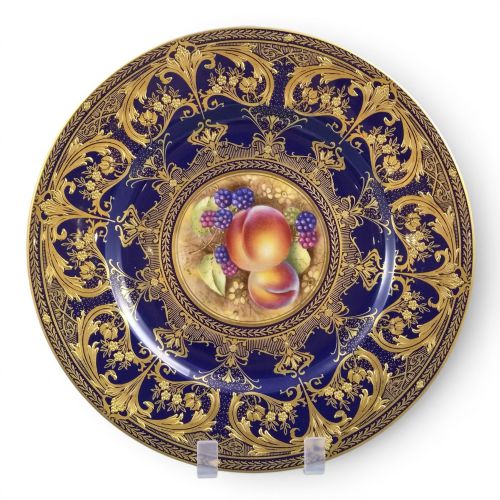
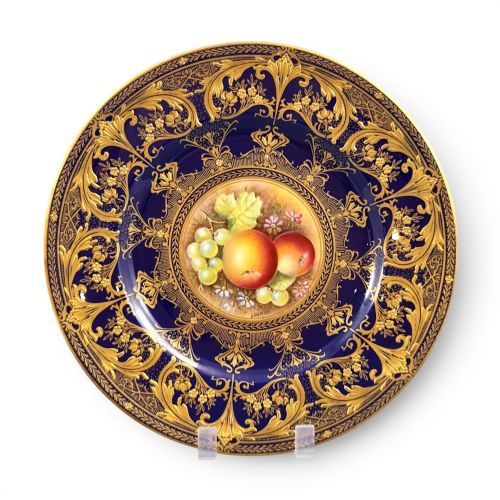
Most pieces on this page lean heavily toward Japanese Imari wares and traditional English cabinet plates from the Victorian, Edwardian and early twentieth-century eras. Forms vary from scalloped and square plates to large circular chargers designed specifically for wall display.
Materials and Manufacturing
The objects combine porcelain, bone china or ceramic bodies finished with detailed glaze, enamel and occasional gold leaf or gilt highlights. Hand-painted decoration dominates the selection, utilising underglaze blues and polychrome enamel palettes.
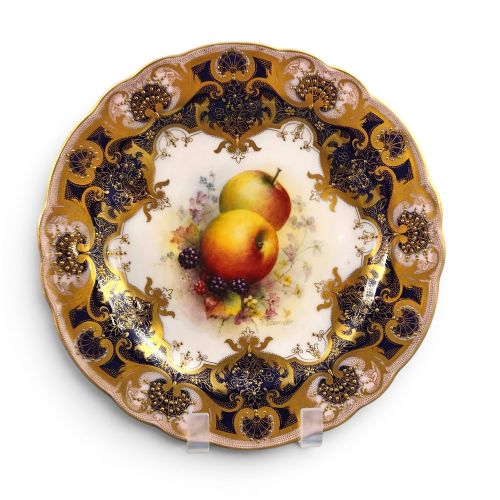
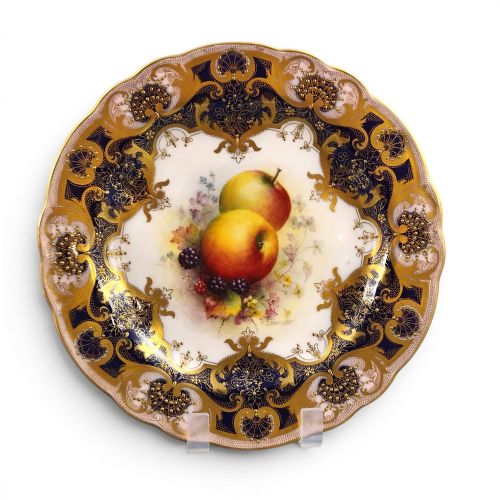
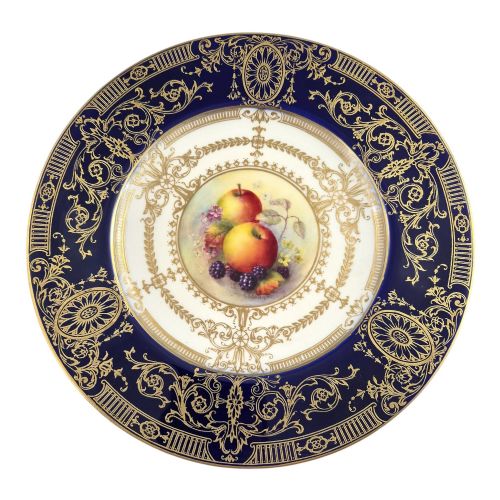
Techniques range from traditional Japanese blue and white firing to intricate English overglaze fruit painting executed by studio artists. Kiln firing methods dictate the durability of the glaze and the vibrancy of the enamel colours.
Several plates depict the Seven Lucky Gods sharing space with traditional Japanese sea creatures.
Judging Quality and Execution
Quality rests in the precision of the hand-painted brushwork, the depth of the enamel colours and the crispness of the porcelain body. Pieces decorated by named artists or produced for specific institutional or family provenances command higher regard among collectors.
The complexity of the form also dictates distinction, as seen in unusual square shapes, scalloped edges and large chargers depicting intricate figurative scenes or botanical studies.
Royal Crown Derby·Royal Worcester·Royal Doulton·Spode·Minton·Dr Wall Worcester
The Vintage Porcelain Wall Plates Glossary
- Cabinet plate
- A decorative plate intended for display in a cabinet or on a wall rather than for dining use. These often feature elaborate painted scenes or gilt borders.
- Imari
- A style of Japanese porcelain exported from Arita, characterised by a palette of underglaze blue, iron red, gold and black. This aesthetic heavily influenced European ceramic design.
- Charger
- A large ornamental plate or dish used primarily as a centrepiece or wall hanging. They provide a broader canvas for complex narrative or botanical art.
- Bone china
- A type of soft-paste porcelain containing bone ash, known for high whiteness and translucency. English makers utilised this material extensively for fine service plates.
Vintage Porcelain Wall Plates: Frequently Asked Questions
How do I hang antique porcelain wall plates safely?
Utilise specialised spring-loaded brass wire hangers that distribute weight evenly across the rim without squeezing the ceramic body too tightly.
Ensure the wall fixing is secure and avoid high-traffic areas where vibrations could dislodge the display.
Were these decorative plates meant for dining?
Cabinet plates and large chargers served primarily as ornamental items for display in dining rooms and drawing rooms rather than practical tableware.
Many feature delicate enamel work or heavy gilding that would wear away with regular use and washing.
How can I tell Japanese Imari from English Imari?
Japanese Imari typically employs a harder porcelain body with iron-red and underglaze blue pigments applied directly over raw or lightly fired clay.
English interpretations, such as those by nineteenth-century potteries, frequently utilise bone china or ironstone with a distinctively heavier weight and smoother glaze application.
What is the difference between a charger and a cabinet plate?
A charger is significantly larger in diameter, historically functioning as a base plate or a prominent wall display piece with expansive surface area.
Cabinet plates are standard dinner or dessert size, created specifically to showcase the fine artistry of individual painters.