


Vintage Porcelain Tea Cups
These vintage porcelain tea cups bring tangible history to the table, offering tactile pleasure with every morning brew.
Vintage Porcelain Tea Cups
When you search for vintage porcelain tea cups, you encounter everything from eighteenth-century tea bowls to twentieth-century afternoon sets. The forms span individual cups and saucers, trios with matching side plates, and full multi-person services designed for formal gatherings.
Most examples you meet on this page date from the nineteenth century through the 1920s, reflecting periods such as the Victorian, Edwardian, and Art Deco eras. English potteries feature prominently alongside continental European factories and Asian export traditions.
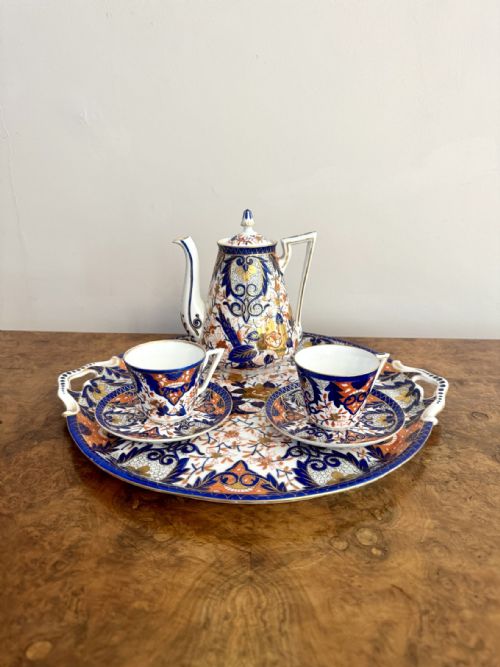
Makers utilised porcelain, bone china, and soft-paste porcelain to shape vessels intended for daily gentility or display. Forms range from simple tea bowls to elaborate coffee services paired with matching saucers and pots.
How they were made
The foundation of these pieces relies on fired ceramic bodies, primarily porcelain and bone china, shaped by hand or moulded. Artisans then applied enamel, cobalt enamel, and hand-painted details directly onto the surface before firing.
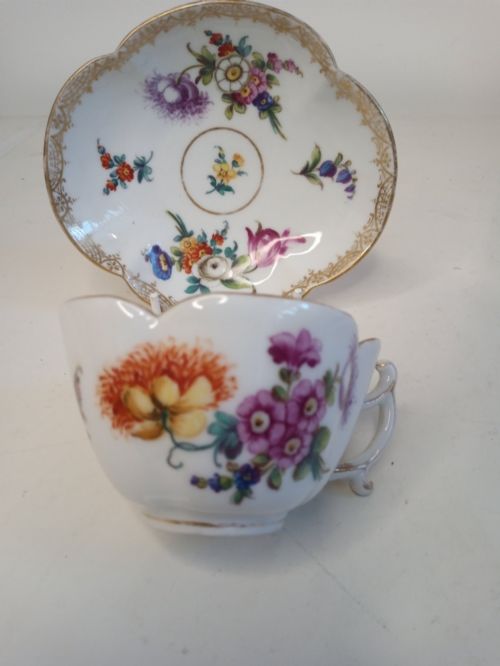
Gilding and gold leaf add reflective borders and highlights, often framing intricate floral or pictorial scenes. Many vessels combine underglaze blue work with overglaze enamels to achieve rich colour variations.
Listings feature porcelain pieces spanning the 18th century to the 1920s, incorporating bone china, gold leaf, and cobalt enamel across English, European, and Asian origins.
What varies in quality
The calibre of a piece rests largely on the precision of the hand-painted brushwork and the crispness of the porcelain body. Finer cups display delicate translucency and secure application of gold leaf rather than heavy, dull transfers.
Design complexity and the completeness of matching sets also dictate standing. Single tea bowls from the eighteenth century derive their interest from early potting techniques, whereas later services depend on unified patterns and intact gilding across every component.
Coalport·Royal Worcester·KPM Berlin·Spode·Lowestoft Porcelain
The Vintage Porcelain Tea Cups Glossary
- Soft-Paste Porcelain
- An artificial mixture of white clay and glass frit fired at lower temperatures than hard paste. It creates a warm, creamy body often found in eighteenth-century English wares.
- Bone China
- A porcelain variant incorporating animal bone ash into the paste. This composition yields a sturdy, brilliant white body suitable for thin-walled cups.
- Enamel
- Opaque glass fused to the surface of fired porcelain during a secondary kiln stage. It provides vibrant, permanent colour to hand-painted designs.
- Gilding
- The application of gold leaf or gold paint to the rims, handles, and borders of tea wares. It signals decorative finish and careful handling.
- Tea Bowl
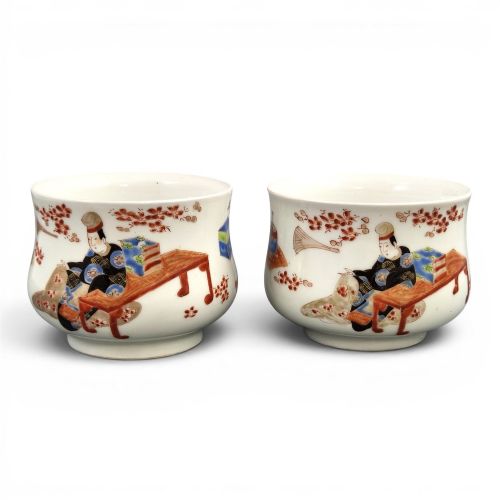
- A handleless vessel used for drinking tea before the widespread adoption of handled cups in the West. These early forms mirror Chinese prototypes.
Vintage Porcelain Tea Cups: Frequently Asked Questions
How do I date an old tea cup?
Dating relies on factory marks stamped or painted on the base, stylistic clues like Victorian or Art Deco shapes, and the composition of the ceramic body itself. Early pieces often lack makers' marks entirely and require analysis of potting style.
Examining the wear on the foot rim and the method of decoration also helps narrow the decade of production. Comparing handle shapes against known period designs provides further confirmation.
Can I use antique cups for tea?
Many sturdy nineteenth-century and twentieth-century porcelain cups remain perfectly functional for hot beverages if handled with care. However, pieces with hairline cracks, fragile enamels or delicate gold leaf are better reserved for display.
Hand washing is essential to preserve fragile overglaze decorations and prevent modern detergents from dulling the historic surface. Avoid exposing antique ceramics to sudden thermal shock.
What is the difference between a tea cup and a tea bowl?
Tea bowls lack handles and derive from traditional Asian vessels used before European tea drinking customs evolved. Cups with applied handles became standard in the West during the eighteenth century for comfort.
Both forms appear frequently across different periods, with tea bowls generally pointing to earlier Georgian or export origins.
What does a tea trio include?
A tea trio typically consists of a matching tea cup, saucer, and a small side plate for cakes or bread. These sets became popular for afternoon tea gatherings in the Victorian and Edwardian eras.
Finding a complete trio in good condition offers a glimpse into historic dining rituals and table settings.