



Vintage Porcelain Planter
These vintage porcelain planter options are decorative vessels designed for indoor greenery, bringing traditional floral charm to your rooms.
Vintage Porcelain Planter
A vintage porcelain planter bridges the gap between functional botany and decorative display, serving as a house for indoor plants while holding its own as a striking interior ornament. When you browse for a vintage porcelain planter, you encounter diverse forms ranging from traditional table cache-pots to grander standing jardinieres.
The selections span distinct periods and aesthetics, including Victorian, Edwardian, and French Chateau styles, alongside pieces influenced by Japanese Meiji artistry. You are likely to meet items that double as centrepieces or footbaths adapted for botanical display, each bearing the marks of 19th-century and early 20th-century craftsmanship.
Materials and Construction
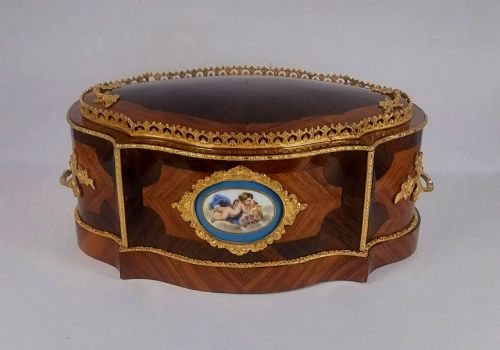
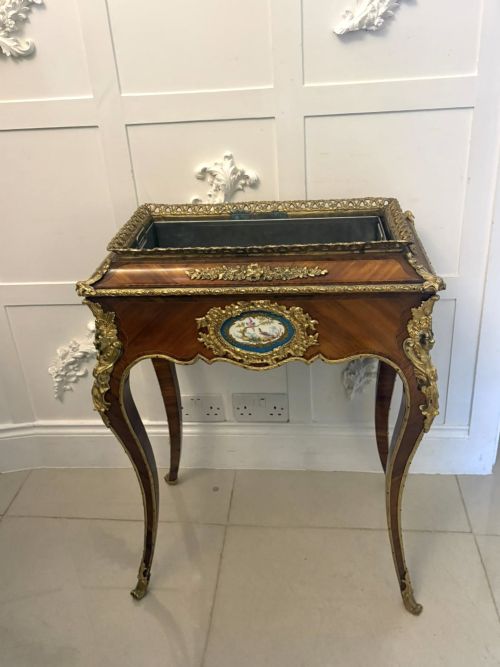
The creation of these vessels relies primarily on ceramic mediums such as porcelain, earthenware, and fine glaze applications, sometimes complemented by structural elements of kingwood, walnut, and tulipwood. Metal ornamentation plays a significant role in many examples, utilising ormolu, gilt bronze mounts, zinc liners, and silver plating to frame the ceramic bodies.
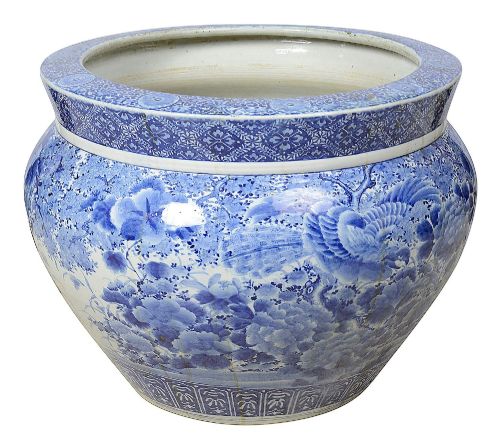
Techniques range from intricate hand-painted decoration and transfer printing, seen in blue and white patterns and figurative scenes, to specialised pottery processes practiced by notable factories. Mounts are fitted with precision to timber stands and ceramic plaques, securing the combination of metal and fired clay.
Vintage Porcelain Planter Retail Price Guide 2026
Typical asking prices for vintage porcelain planter among the pieces listed under this phrase on Sellingantiques today, from the lower quarter to the upper quarter. They describe what is for sale here now, not the wider market.
Listings feature items from the Regency era through to the 1930s, utilising porcelain, earthenware, ormolu, and kingwood.
Distinguishing Quality
Quality reveals itself in the fineness of the ceramic body and the precision of the hand-painted or transfer-printed details, where crisp lines and deliberate brushwork distinguish superior pieces from simpler utilitarian items. The integration of auxiliary materials, such as finely chased gilt bronze mounts or solid kingwood cabinetry, elevates the status of the vessel.
The reputation of the maker also dictates standing, with works originating from established potteries or documented artists carrying distinct artistic weight. Preservation of the original glaze, mount stability, and the presence of matching liners or stands complete the measure of a superior piece.
Royal Worcester·Clarice Cliff·Royal Doulton
The Vintage Porcelain Planter Glossary
- Cache-pot
- A decorative flower pot designed to conceal a plain inner pot without a drainage hole. It allows water to be caught internally.
- Jardiniere
- A large ornamental pot or stand for plants or flowers, often displayed on the floor or a dedicated table. The term derives from the French word for gardener.
- Ormolu
- Gilded bronze used for furniture mounts, clock cases, and decorative vessel trims. It became prominent in French furniture and decorative arts.
- Transfer printing
- A method of applying complex decorative designs to pottery by transferring ink from an engraved copper plate to tissue paper and then onto the ceramic surface.
- Majolica
- Opaque tin-glazed earthenware decorated with brightly coloured metal oxides. It enjoyed a widespread revival during the Victorian era.
Vintage Porcelain Planter: Frequently Asked Questions
What is a jardiniere?
A jardiniere is a large decorative pot used to hold growing plants or floral arrangements. They were traditionally placed on tables, pedestals, or directly on the floor.
Unlike standard flower pots, these vessels emphasise ornate decoration and often incorporate metal mounts or painted scenes intended for prominent indoor display.
How were footbaths used as planters?
Large ceramic footbaths from the nineteenth century are frequently repurposed as planters due to their generous proportions and watertight glazing. Their oval shapes and sturdy handles make them practical containers for multiple potted plants.
This adaptation transforms utilitarian washing vessels into decorative centrepieces for large tables or hearths.
How do I identify a Victorian piece?
Victorian pieces often display heavy floral motifs, hand-painted details, or rich cobalt blue transfer printing. They frequently incorporate stylistic revivals such as Louis XV or Asian-inspired aesthetics.
Examining the base for factory marks or stamps helps confirm the period of manufacture alongside characteristic glazing styles.
Can I plant directly inside them?
Many antique planters lack drainage holes or feature delicate interior glazes that can be damaged by constant moisture and soil. It is usually safer to keep plants in plastic nursery pots and use the antique vessel as a cache-pot.
This method protects the interior from mineral deposits and water damage while maintaining the desired decorative appearance.