




Vintage Porcelain Panel
A vintage porcelain panel brings hand-painted detail and quiet colour into a room, offering a focal point for collectors of fine ceramics.
Vintage Porcelain Panel
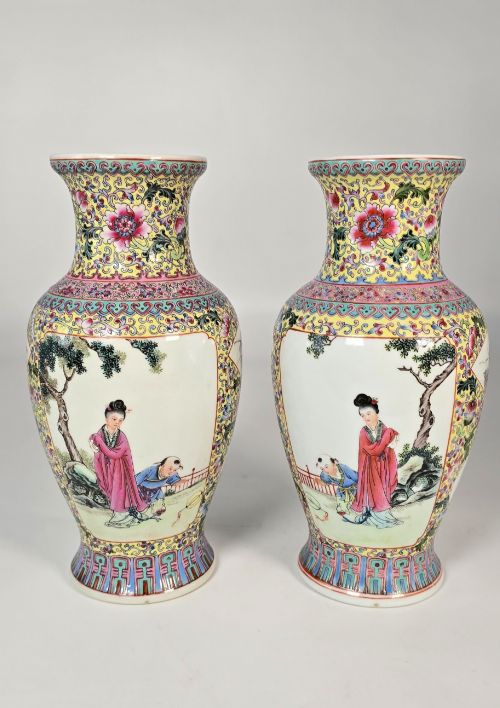
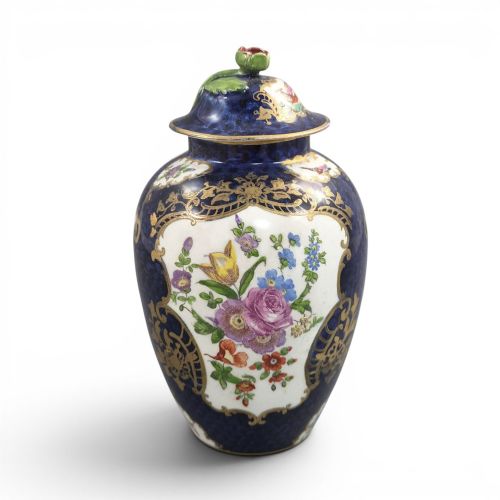
A vintage porcelain panel is a flat ceramic plaque or tile carrying detailed painted decoration, often removed from a larger object or mounted for display as wall art. The selections found here span the Victorian era through the early twentieth century, taking in both European works and pieces from the Chinese Republican period.
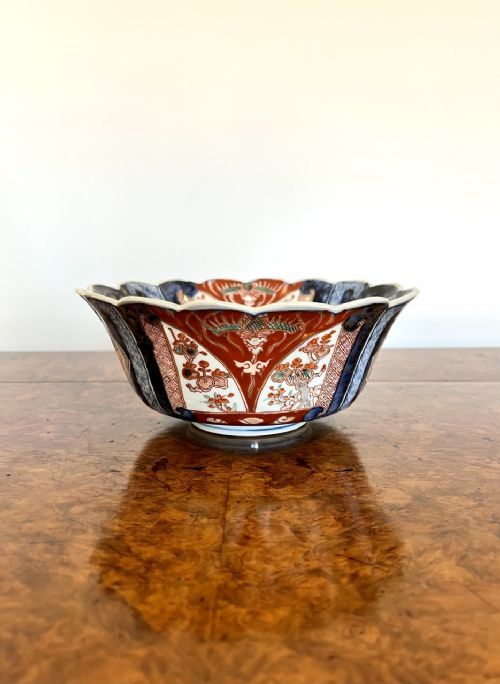
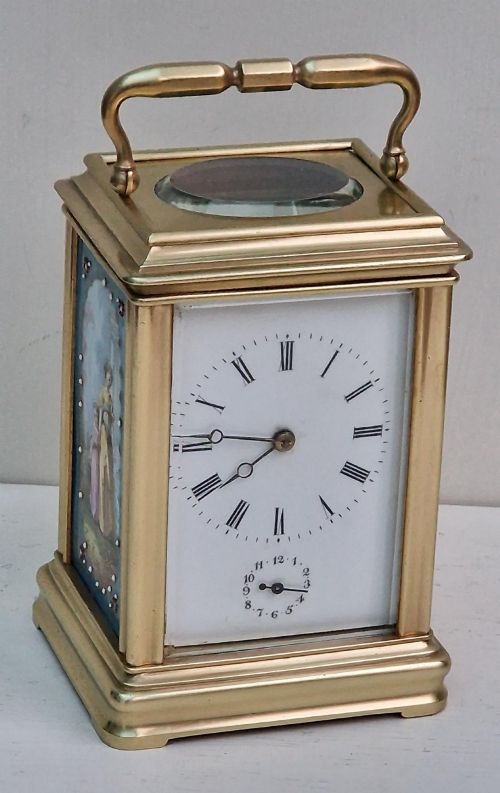
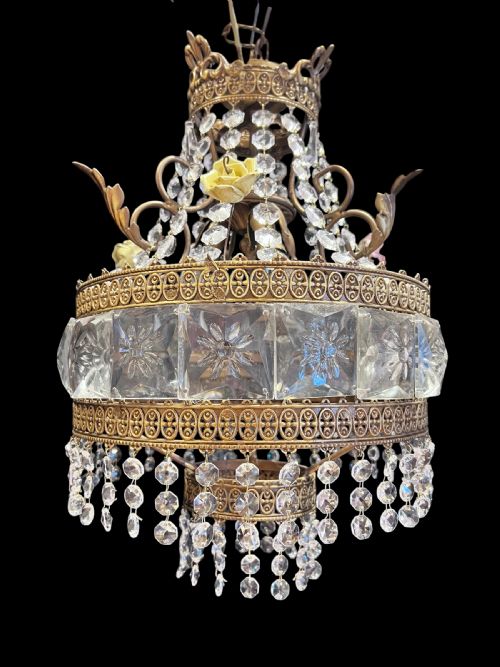
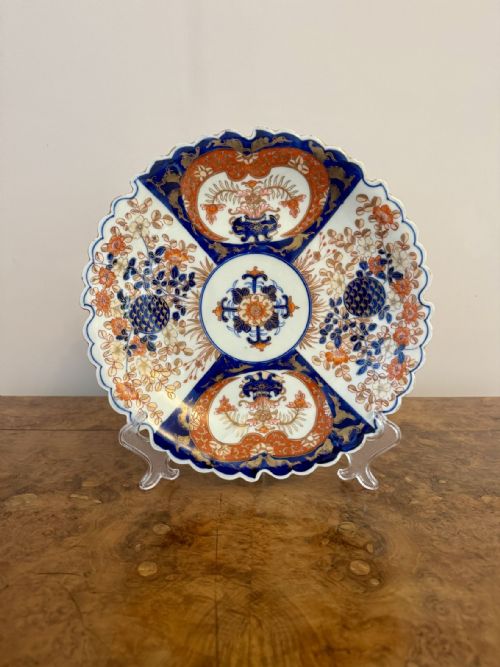
Buyers will encounter items ranging from framed portrait plaques signed by artists like Stinton to decorative ceramic inserts set within clocks, vases, and chandeliers. The form crosses multiple cultural traditions, appearing in Japanese Imari compositions alongside Western revival styles.
Materials and construction methods
These pieces rely on fine ceramic bodies fired at high temperatures to provide a smooth, durable white ground for enamel pigments and metallic highlights. Artisans applied hand-painted washes and gold leaf before a final glaze firing fixed the colours permanently to the surface.
Mounting often involved brass or gilt framing to protect the edges of the ceramic and allow secure hanging or integration into functional objects such as carriage clocks and lighting fixtures.
Vintage Porcelain Panel Retail Price Guide 2026
Typical asking prices for vintage porcelain panel among the pieces listed under this phrase on Sellingantiques today, from the lower quarter to the upper quarter. They describe what is for sale here now, not the wider market.
Materials appearing across these items include vitreous enamel, gold leaf, brass, and gilt alongside standard ceramic bodies.
Judging quality in ceramic panels
The integration of the ceramic into its mounting also dictates the overall standard of the piece, with secure fits and complementary framing metals indicating careful workshop production.
Royal Worcester·Booths
The Vintage Porcelain Panel Glossary
- Porcelain
- A hard, fine-grained ceramic material fired at high temperatures until vitrified. It provides a bright white, non-porous ground ideal for detailed miniature painting.
- Enamel
- Coloured vitreous glass paste applied to the ceramic surface and fused by kiln firing. This technique preserves rich hues without fading over time.
- Republican Period
- A Chinese era spanning the early twentieth century noted for revival styles and high-level ceramic painting. Works from this time often adapt classical imperial themes.
- Imari
- A Japanese decorative style characterised by a strong palette of underglaze blue, iron red, and gold. The aesthetic is known for dense geometric and floral panel layouts.
- Gilt
- A thin layer of gold applied to metal mounts or ceramic borders. It adds warmth and frames the painted central imagery.
Vintage Porcelain Panel: Frequently Asked Questions
What is a porcelain panel?
A porcelain panel is a flat ceramic plaque decorated with painted scenes, portraits, or patterns, typically framed for wall display or set into furniture and clocks.
These pieces showcase miniature artistic skill, using enamels and gold leaf on a smooth ceramic base.
How do I hang a panel?
Most panels arrive within brass, gilt, or wooden frames equipped with secure hanging hardware on the reverse. Ensure the weight of the ceramic is supported properly by the wall fixings.
Avoid placing panels in direct sunlight to protect the enamel colours from fading over the years.
How are different periods told apart?
Victorian and Edwardian European panels often lean towards classical portraiture or floral studies, while Chinese Republican pieces feature distinct calligraphic elements and historical figures. Japanese examples from the Meiji period utilise characteristic Imari palettes or geometric framing.
Examining the reverse of the ceramic often reveals maker marks, kiln stamps, or artist signatures that date the piece more precisely.
Can these panels be cleaned?
Dust the surface gently with a soft, dry brush to prevent dirt buildup on the glazed areas. Avoid liquid cleaners, as moisture can seep into unglazed margins or damage older framing materials.