




Vintage Porcelain Jug
A vintage porcelain jug brings tangible history to the table, offering practical utility and refined decorative presence in equal measure.
Vintage Porcelain Jug
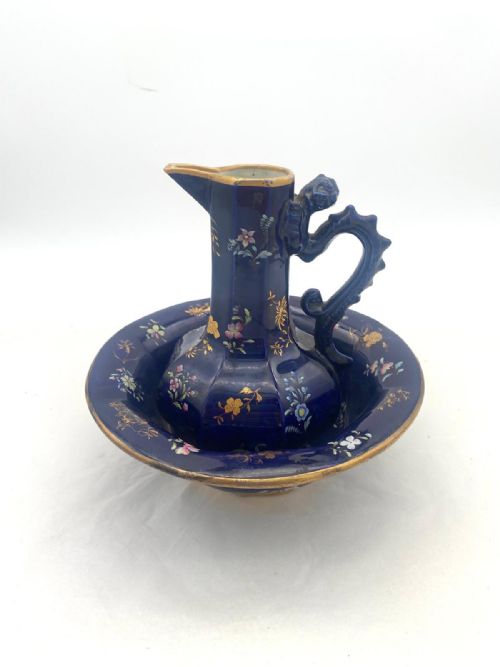
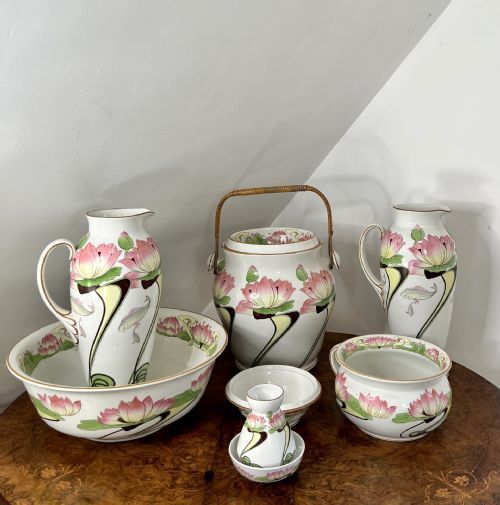
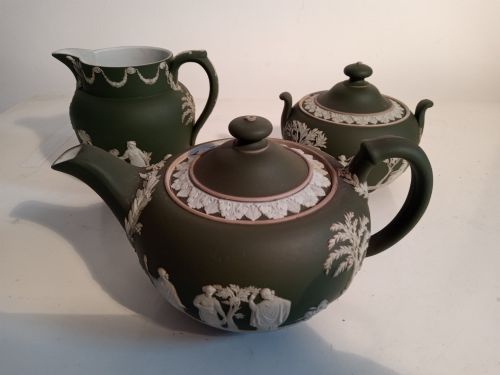
A vintage porcelain jug encompasses utilitarian cream jugs, large washstand ewers, and decorative vessels spanning from the eighteenth century through the twentieth century. These pieces appear across Georgian, Victorian, Edwardian, and Art Nouveau styles, reflecting shifting domestic habits over generations. Buyers searching for a vintage porcelain jug frequently encounter smaller cream vessels alongside substantial wash sets and decorative ewers.
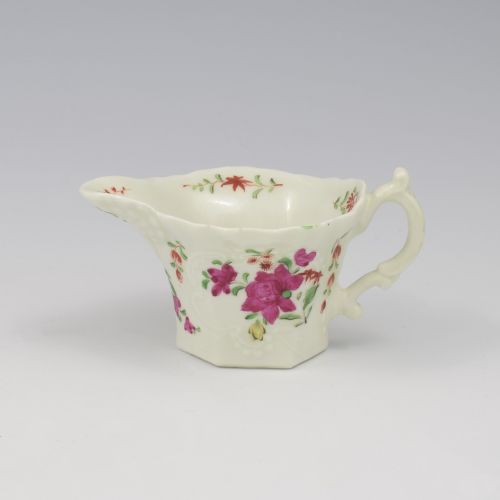
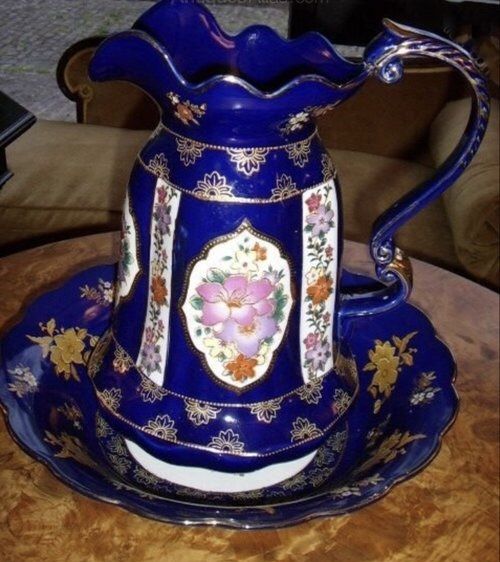
The material record on this page spans traditional porcelain, earthenware, and ironstone, decorated with enamel, gold leaf, and cobalt blue glaze. Forms range from miniature hydra jugs and sparrow beak profiles to hexagonal sauce boats and large decorative ewers. Each piece demonstrates the specific manufacturing standards of its period, whether produced in Staffordshire, Worcester, or European kilns.
Materials and manufacture
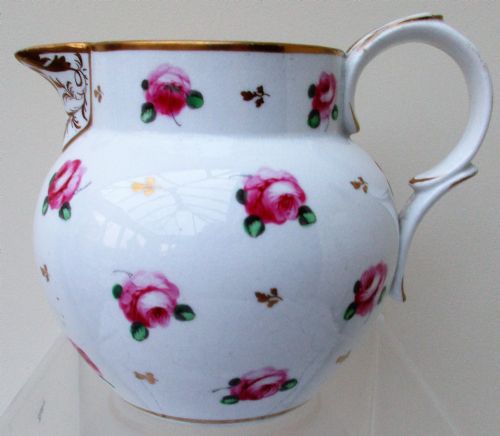
Potters shaped these vessels using fine ceramic pastes and porcelain bodies, frequently finishing surfaces with specialised glazes and handpainted designs. Artisans applied cobalt blue, enamel colours, and gilding over fired ceramic, securing pigments through secondary kiln firings. Gold leaf and intricate handpainted birds, insects, and floral motifs required steady hands and precise temperature control.
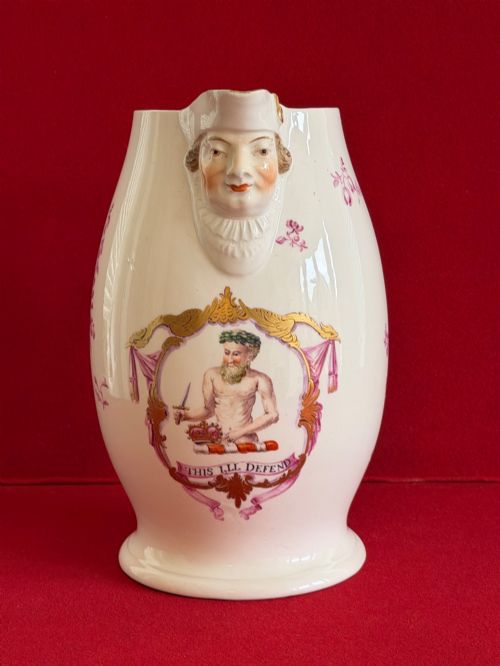
Moulding and casting techniques allowed makers to produce complex forms such as mask head spouts, ribbed bodies, and rope edge detailing. Ironstone and standard porcelain bodies provided durable foundations for daily utility items like wash sets and cream jugs, while finer porcelain suited cabinet display.
Vintage Porcelain Jug Retail Price Guide 2026
Typical asking prices for vintage porcelain jug among the pieces listed under this phrase on Sellingantiques today, from the lower quarter to the upper quarter. They describe what is for sale here now, not the wider market.
The documented periods span from the seventeenth-century Arita wares through Georgian, Victorian, and Edwardian production.
Assessing quality
Quality rests upon the crispness of the moulding, the precision of the handpainting, and the preservation of surface gilding. Superior pieces display finely delineated brushwork on birds, insects, and armorial crests, whereas lesser examples show softer transfers or hurried enamel application. The weight and balance of the handle relative to the body also indicate the maker's care.
The integrity of the glaze and the absence of firing flaws separate cabinet pieces from utilitarian wares. Intricate details like moulded mask heads and applied handles demand high technical skill, distinguishing workshop productions from standard factory output.
Royal Worcester·Mason s·Royal Dux·Doulton Burslem·Chamberlain Worcester
The Vintage Porcelain Jug Glossary
- Ewer
- A large decorative jug with a wide spout and looped handle, historically used for washing or display.
- Ironstone
- A durable type of heavy earthenware patented in the nineteenth century to imitate porcelain.
- Sparrow beak
- A small eighteenth-century cream jug featuring a distinctive pinched lip resembling a bird's beak.
- Armorial
- Bearing a family coat of arms or heraldic crest handpainted onto the ceramic surface.
- Glaze
- A glassy layer fused to the ceramic body by firing, providing waterproofing and surface sheen.
Vintage Porcelain Jug: Frequently Asked Questions
How were these jugs used?
Smaller vessels served tea tables as cream jugs or coffee pots, while larger pitchers functioned within washstand sets for personal hygiene. Decorative ewers and jug-vases remained primarily on display in parlours.
Over time, utility items transitioned into decorative cabinet pieces, prized for their historical associations and handpainted ceramic artistry.
Can I use them daily?
Many sturdy porcelain and ironstone pieces remain robust enough for careful everyday service on the dining table.
Pieces featuring delicate gold leaf, enamel painting, or historical significance require gentle hand washing and careful handling to preserve their surfaces.
How do I date a piece?
Stylistic clues such as Victorian neoclassical motifs, Edwardian floral transfers, or Georgian forms provide initial chronological markers.
Backstamps, paste consistency, and specific glazing techniques further narrow the production period when combined with maker records.
What defines a wash set?
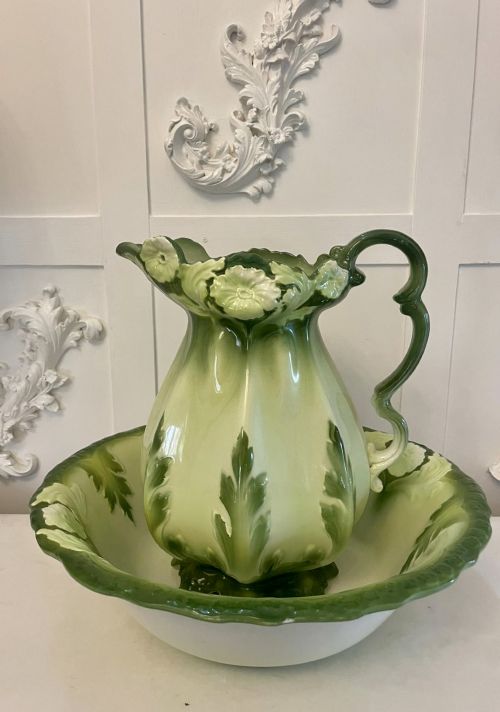
A wash set pairs a large ewer with a matching deep bowl, designed for bedroom hygiene before modern plumbing.
These coordinated ensembles often feature elaborate floral transfers or coloured glazes intended to complement period bedroom furnishings.