









Vintage Porcelain Group
These pieces under the vintage porcelain group search span delicate 18th century figures and later figurative works, offering collectors finely modelled sculptural ceramics.
Vintage Porcelain Group
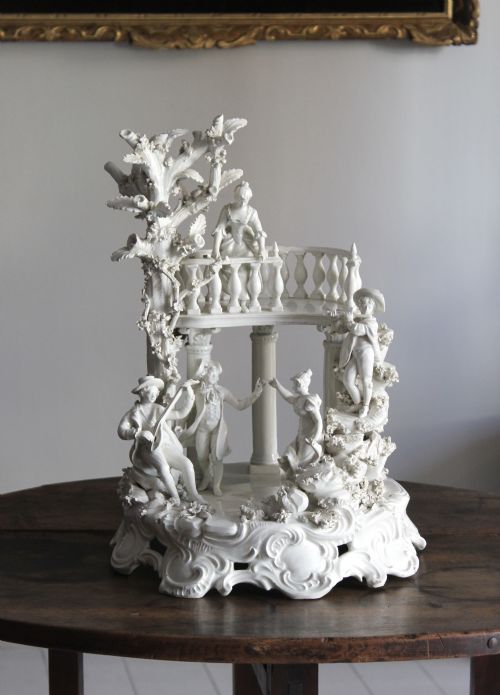
A vintage porcelain group brings together multi-figure ceramic compositions, ranging from classical pairs of lovers and pastoral fairings to intricate scenes involving pianos and fishing boats. These decorative sculptures capture human and animal subjects in porcelain, earthenware, and bisque.
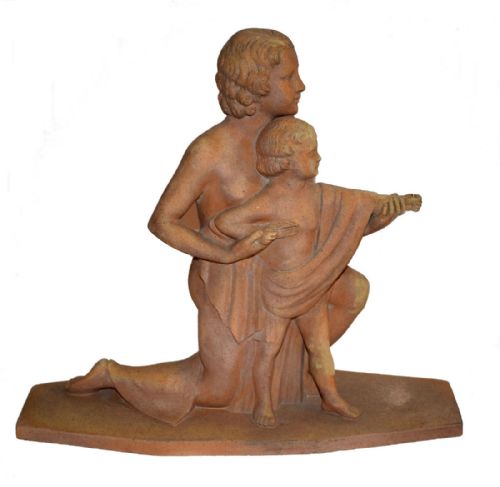
The selections on this page draw from diverse periods including the Georgian era, the Victorian and Edwardian decades, and the Art Deco style of the 1930s. Continental European factories and English potteries both contribute to the variety of figurative groupings available to collectors.
Materials and construction
The pieces utilise hard-paste and soft-paste porcelain, alongside unglazed bisque porcelain and earthenware. Enamel pigments, glazes, and gold leaf finish the surface details of these sculptures.
Moulding and hand-modelling shape the figures, with specialised techniques applied to create fine elements such as ceramic lace and intricate floral appurtenances. Firing in kilns sets the glazes and fixes the hand-painted polychrome decoration.
Vintage Porcelain Group Retail Price Guide 2026
Typical asking prices for vintage porcelain group among the pieces listed under this phrase on Sellingantiques today, from the lower quarter to the upper quarter. They describe what is for sale here now, not the wider market.
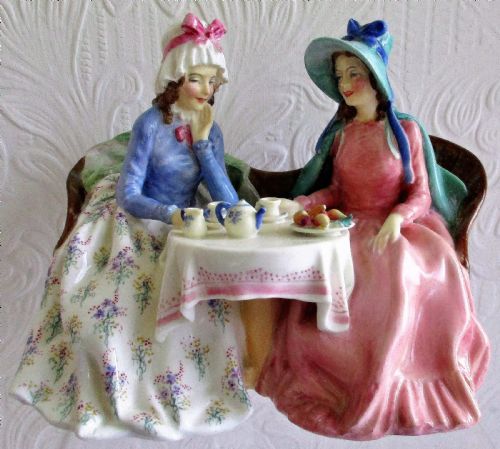
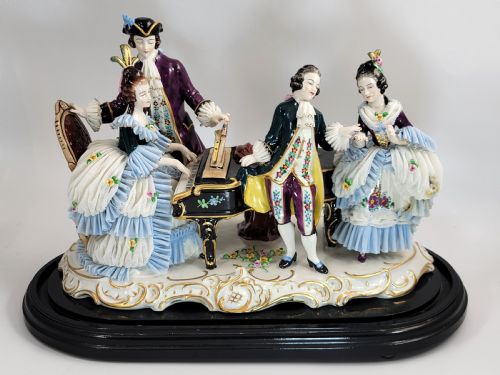
Ceramic fishermen balance precariously on tiny porcelain boats while porcelain figures casually sip afternoon tea or play the piano.
Assessing the work
Hand-painted enamel work and the careful application of gold leaf influence the visual success of a group. Superior examples display precise brushwork and controlled colour palettes without messy overlap.
Meissen·Royal Doulton·Ernst Bohne Soehne·Wedgwood And Co Ltd·Royal Dux·Karl Tutter
The Vintage Porcelain Group Glossary
- Bisque Porcelain
- Unglarded porcelain that has been fired once, presenting a matte, marble-like texture ideal for detailed figurative sculpture.
- Hard-Paste Porcelain
- A durable ceramic composition fired at very high temperatures, originating in China and later perfected at European kilns such as Meissen.
- Soft-Paste Porcelain
- An artificial porcelain body fired at lower temperatures than hard-paste, common in 18th-century French and English manufacture.
- Fairings
- Small, humorous or domestic porcelain groups produced in the 19th century, frequently given as prizes at country fairs.
- Enamel
- Vitreous coloured glass fused to the porcelain surface during a secondary low-temperature firing to provide decoration.
Vintage Porcelain Group: Frequently Asked Questions
What is a porcelain group?
A porcelain group consists of two or more ceramic figures modelled together as a single sculptural composition. These pieces often depict narrative scenes, social interactions, or allegorical subjects.
Such sculptures served primarily as decorative ornaments for mantelpieces or centrepiece displays in period interiors.
How do I care for antique porcelain?
Keep porcelain figures away from direct sunlight and areas subject to sudden temperature shifts to protect the glazes and enamel decoration. Dust them gently with a soft, dry brush.
Avoid using liquid cleaners or submersing pieces in water, particularly if they feature delicate applied elements like lace or unglazed bisque sections.
How do I date a porcelain figure?
Dating relies on factory marks, style periods, and the specific material composition used in the body and glaze. Comparing the modelling style to known historical periods helps narrow the timeframe.
Underglaze blue marks and impressed numbers often provide specific clues to the workshop and decade of production.
Where were these figures displayed?
In period homes, porcelain groups were typically placed on mantelpieces, side tables, or incorporated into elaborate table settings. Their detailed modelling invited close inspection from guests.
Larger figure groups often acted as focal points within a room's decorative scheme.