







Vintage Porcelain Decor
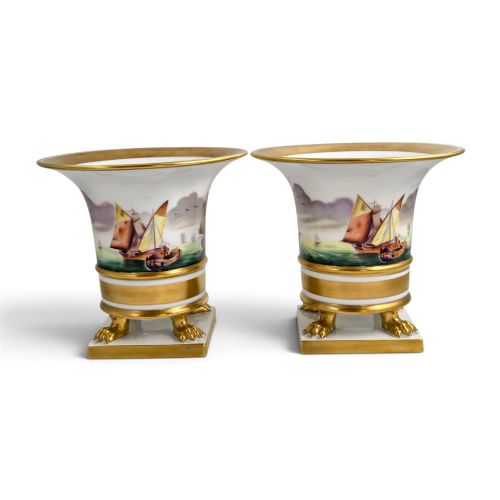
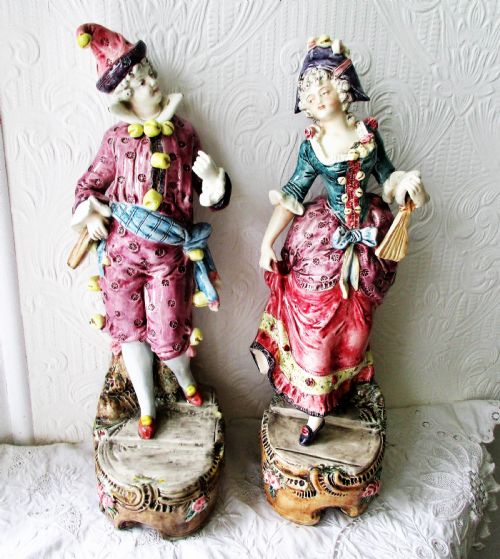
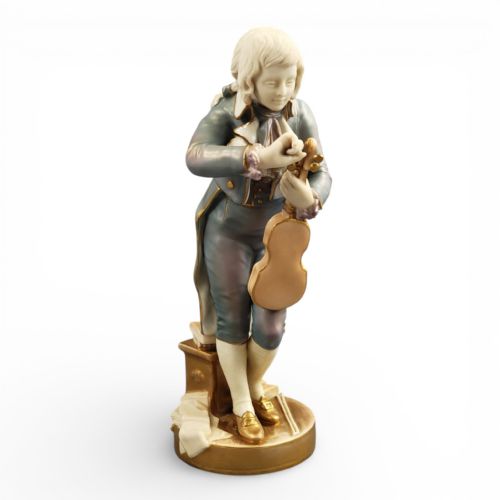
These pieces of vintage porcelain decor bring painted ceramics and ornamental figures into a room.
Vintage Porcelain Decor
Vintage porcelain decor encompasses ornamental ceramics designed to display rather than serve, ranging from Japanese Imari chargers and vases to European figurines and decorative plaques. When exploring vintage porcelain decor, buyers encounter nineteenth-century Japanese Satsuma and Imari alongside twentieth-century French earthenware and English porcelain figures.
The selections span distinct periods from the late nineteenth century through the Art Deco era and into the mid-twentieth century. Objects take diverse forms, including pairs of vases, wall plates, hand-painted tiles, and figural candlesticks.
How they were made
These items rely on ceramic bodies shaped from porcelain, earthenware, or stoneware, which are then finished with glaze and enamel. Many pieces incorporate hand-painted details, sometimes accented with gold leaf or gilt.
Makers utilised traditional firing techniques alongside surface decoration methods such as underglaze painting and overglaze enamel work. Specific examples demonstrate specialised applications, including stoneware with enamel floral decor and ceramic tiles framed for display.
Vintage Porcelain Decor Retail Price Guide 2026
Typical asking prices for vintage porcelain decor among the pieces listed under this phrase on Sellingantiques today, from the lower quarter to the upper quarter. They describe what is for sale here now, not the wider market.
Listings feature items from the nineteenth century, Edwardian period, and nineteen-thirties, using porcelain, earthenware, stoneware, and ceramic tiles.
What varies in quality
Quality rests upon the precision of the hand-painted execution and the crispness of the moulded form in figurines and vases. Pieces bearing signature work or attribution to established potteries and designers show superior standard.
The preservation of the enamel pigments, glaze integrity, and any applied gold leaf or gilt finish distinguishes finer examples. Uniformity in pairs and the complexity of the decorative scheme further influence the standing of each piece.
Herend·Royal Worcester·Royal Doulton·Sitzendorf·Richard Ginori
The Vintage Porcelain Decor Glossary
- Imari
- A style of Japanese porcelain featuring a distinctive palette of underglaze blue, iron red, and gold. These pieces were produced for export and prized for their intricate panel designs.
- Meiji Period
- The era in Japanese history spanning from eighteen sixty-eight to nineteen twelve, known for high output of decorative arts for Western markets. Satsuma and Kutani wares from this time show fine detailing.
- Earthenware
- A porous ceramic body fired at lower temperatures than porcelain and typically glazed to ensure it holds water. French carnival figures and various decorative items are formed from this material.
- Glaze
- A glassy coating fused to the ceramic body during firing to seal the porous surface and provide colour or shine. It protects the painted decor beneath or upon it.
- Gilt
- A thin layer of gold applied to the surface of ceramics to provide metallic highlights. This technique enhances the decorative impact of vases and figural works.
Vintage Porcelain Decor: Frequently Asked Questions
What is vintage porcelain decor?
Vintage porcelain decor refers to ornamental ceramic objects created for display, including vases, plates, figurines, and framed tiles.
These pieces originate from various international traditions, primarily European factories and Japanese kilns active during the nineteenth and twentieth centuries.
How do I style these pieces?
Vases and chargers work well on mantels, sideboards, or wall mounts where their painted patterns remain visible.
Figurines and small bowls add focal points to shelves, occasional tables, or cabinet displays alongside other decorative objects.
How do I identify Imari porcelain?
Imari pieces typically display a strong palette combining cobalt blue underglaze with iron red and gilt highlights over the glaze.
The patterns often feature complex floral motifs and panel designs rooted in Japanese export traditions.
What is the difference between porcelain and earthenware?
Porcelain is fired at high temperatures, resulting in a dense, vitrified body that is white and non-porous.
Earthenware is fired at lower temperatures, producing a softer, more porous body that requires a complete glaze to hold liquids.