



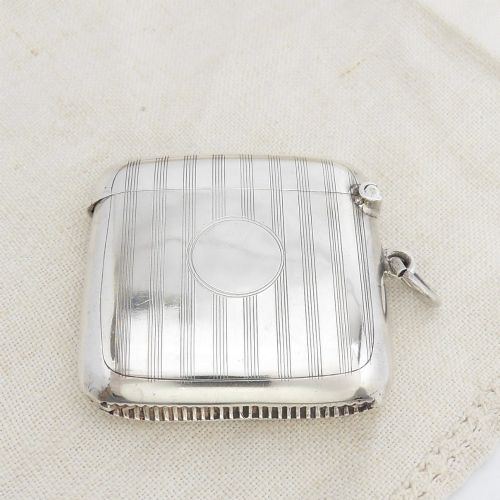

Vintage Pocket Vesta
A vintage pocket vesta is a small metal container built to hold matches safely in the pocket, prized for its tactile engineering and pocket-sized artistry.
Vintage Pocket Vesta
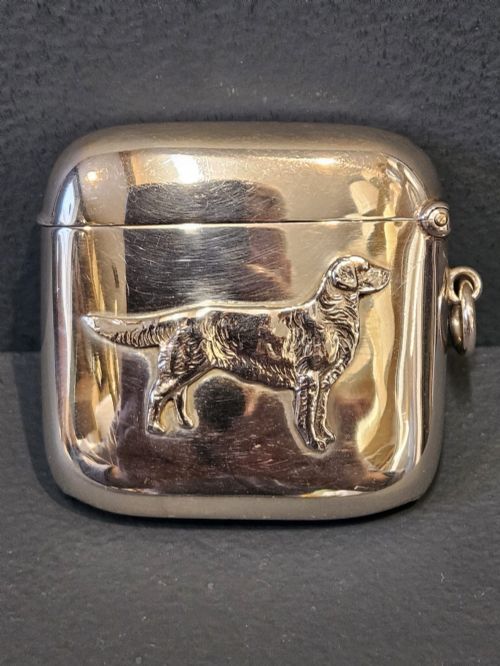
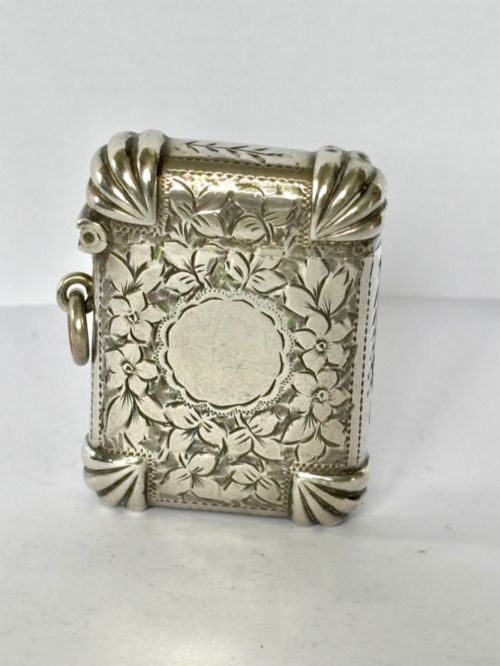
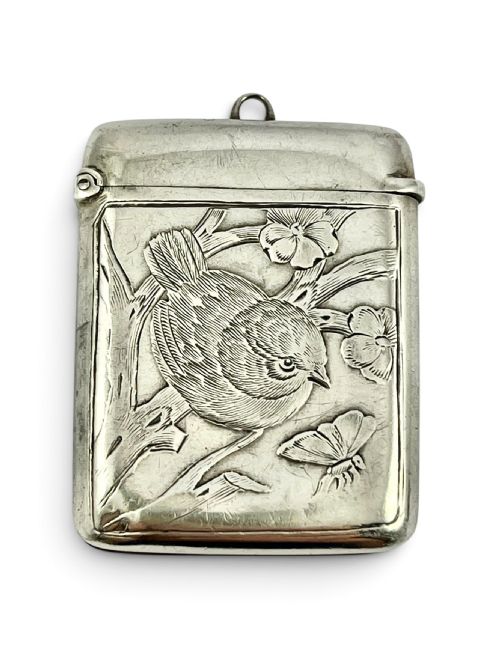
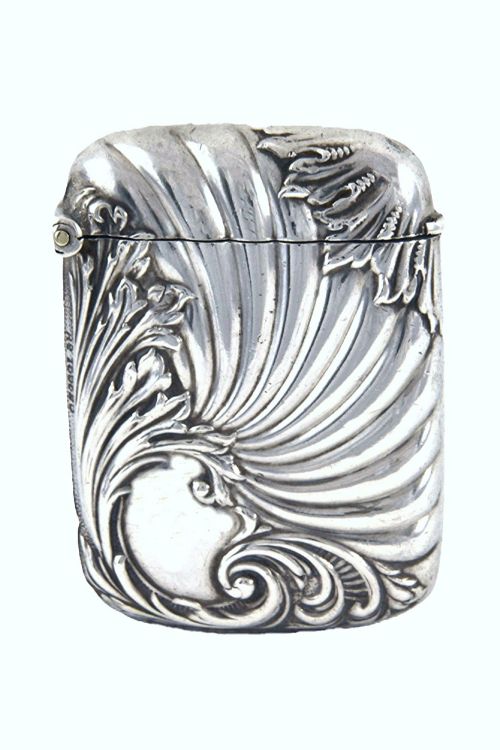
When you search for a vintage pocket vesta, you encounter small personal match containers that date from the late nineteenth century through the Art Deco period. The selections here centre predominantly on Edwardian and Victorian pieces, alongside George V examples and French brass productions.
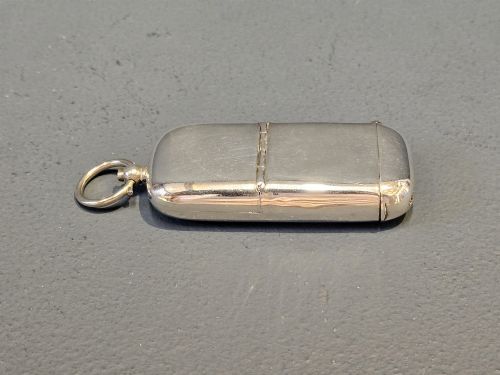
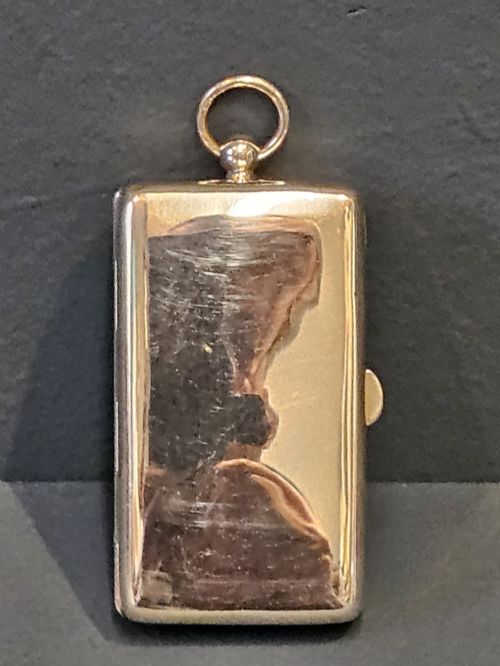
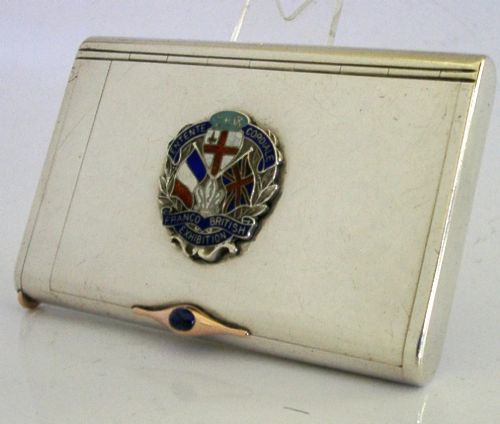
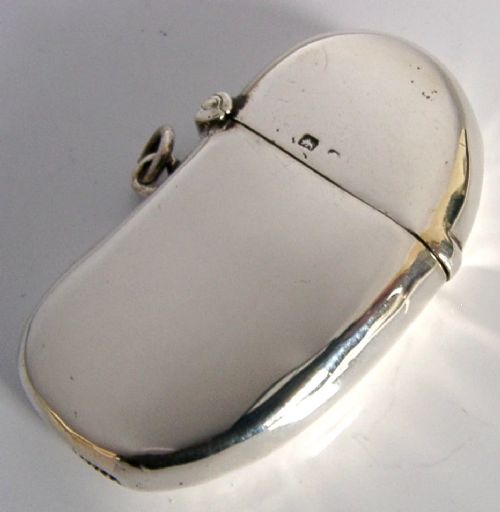
Most items appear as distinct vesta cases or matchsafe designs, accompanied by occasional cigarette cases, sovereign cases, and novelty shapes. Formats range from standard engraved rectangular boxes to kidney bean shapes, double sovereign holders, and figurative animal designs.
Makers and assay offices across Birmingham and Chester stamped these items through successive reigns, producing utilitarian pocket objects that doubled as personal accessories. You find simple curved matchsafes designed to fit a waistcoat alongside presentation pieces carrying royal associations.
How they were made
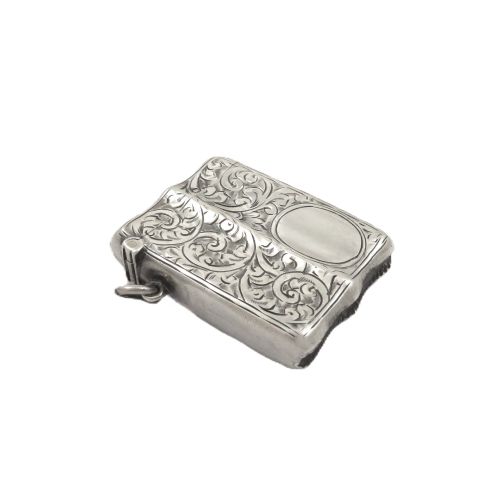
Silversmiths utilised sterling silver and standard silver as the primary foundations for these matchsafe containers, applying techniques such as heavy casting, repousse work, and engine-turned engraving. Brass and nickel-plated brass also served makers constructing novelties or French export pieces.
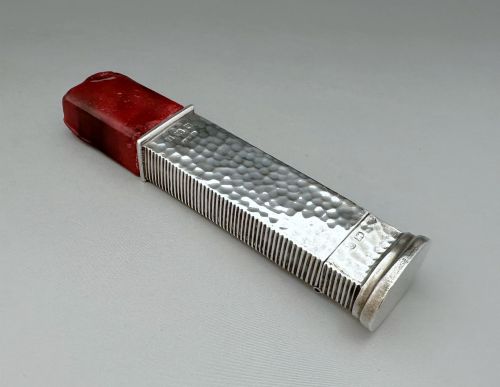
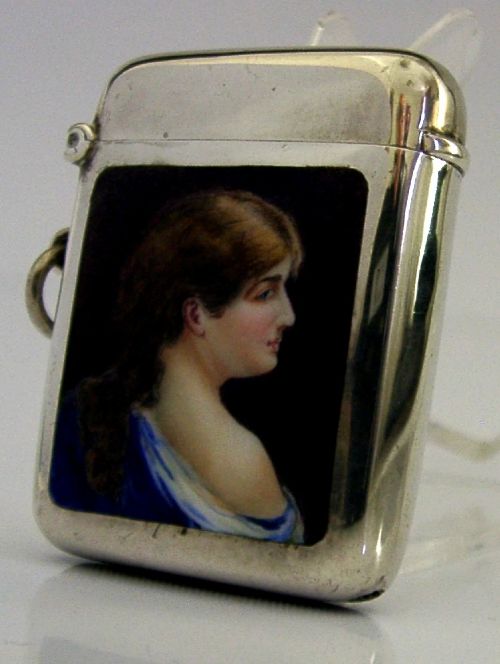
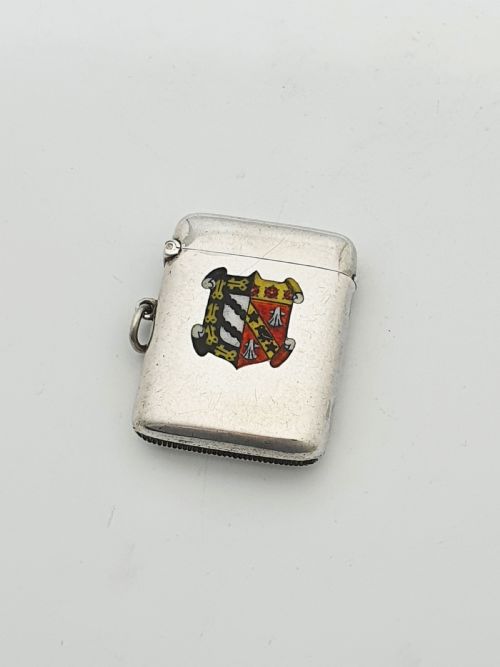
Decoration relied on applied vitreous enamel, hand-painted details, sealing wax, and occasional gold or jewel accents. Makers soldered hinged lids and integrated serrated striking strips along the base to ensure the container functioned reliably in daily use.
Vintage Pocket Vesta Retail Price Guide 2026
Typical asking prices for vintage pocket vesta among the pieces listed under this phrase on Sellingantiques today, from the lower quarter to the upper quarter. They describe what is for sale here now, not the wider market.
What varies in quality
The degree of hand-finishing and specialised ornamentation separates standard matchsafe production from exceptional pieces. Standard utility boxes relied on machine engraving or plain polished surfaces, whereas superior examples featured hand-painted enamel portraits, figural animal castings, or complex portrait likenesses.
The crispness of the maker marks, the snugness of the spring-loaded hinge, and the integrity of applied coloured enamel or sealing wax dictate the standing of an individual piece. Weight also plays a role, with heavy cast silver items offering a more substantial feel than thinner stamped metal equivalents.
EV PLEDGE & SON·ROBERT PRINGLE·Alfred Clark
The Vintage Pocket Vesta Glossary
- Vesta case
- A small portable container designed to hold wax matches safely in a pocket. These cases feature a striking surface on the base to ignite the match upon removal.
- Matchsafe
- An American term frequently applied interchangeably with vesta case. It describes a hinged box built to protect fragile matches from moisture and friction.
- Sovereign case
- A small round pocket container engineered to hold gold coin currency. Some examples combined this function with match storage.
- Assay office
- An official body that tested precious metals and stamped items with hallmark symbols. Birmingham and Chester offices appear frequently on these British pieces.
- Repousse
- A metalworking technique where the artisan hammers the design from the reverse side to form a raised relief on the front. This method created dimensional motifs such as mermaids and foliage.
Vintage Pocket Vesta: Frequently Asked Questions
What is a vesta case used for?
A vesta case was carried in the pocket or attached to a watch chain to store wax matches safely. The roughened strike strip on the bottom allowed the user to ignite a match securely outdoors.
They became essential personal items during the nineteenth and early twentieth centuries before safety matches and lighters became widespread.
How do I date an antique vesta?
Dating relies heavily on the hallmarks stamped into the metal by official assay offices. These marks typically include a maker's mark, a purity symbol, an anchor or wheat sheaf representing the town, and a date letter.
Stylistic cues such as Art Nouveau curves or Edwardian monograms also help narrow down the decade of manufacture.
What materials are vestas made from?
Sterling silver and standard silver form the vast majority of surviving pieces. Makers also utilised brass, nickel-plated brass, and gold.
Surface ornamentation frequently incorporated vitreous enamel, hand-painted artwork, sealing wax, and suede or jewel accents.
How do I clean a silver vesta?
Silver matchsafes benefit from gentle dusting with a soft microfibre cloth to remove everyday residue. Avoid harsh abrasive dips that strip away the aged dark patina accumulated in recessed engravings.
If the piece incorporates enamel, sealing wax, or hand-painted details, keep moisture away from those areas entirely.