





Vintage Plaster Casting
These vintage plaster casting pieces bring tactile classical sculpture and academic history into a room, offering genuine sculptural weight without modern resin compromise.
Vintage Plaster Casting
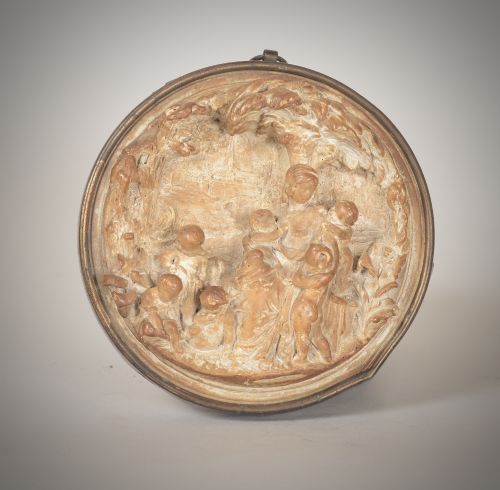
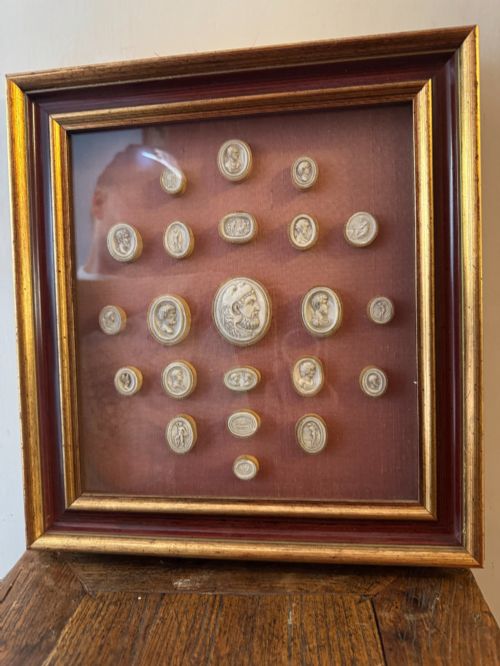
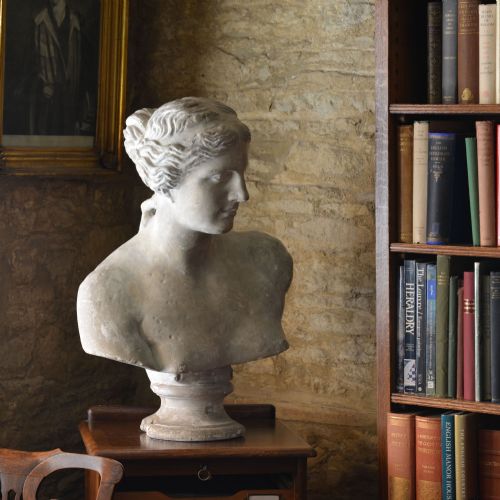
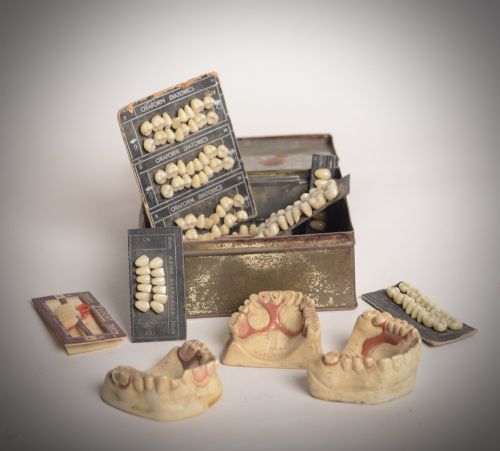
When you search for vintage plaster casting, you encounter sculptural works spanning the eighteenth, nineteenth, and early twentieth centuries. These objects range from grand tour intaglios and classical busts to anatomical models and architectural wall friezes.
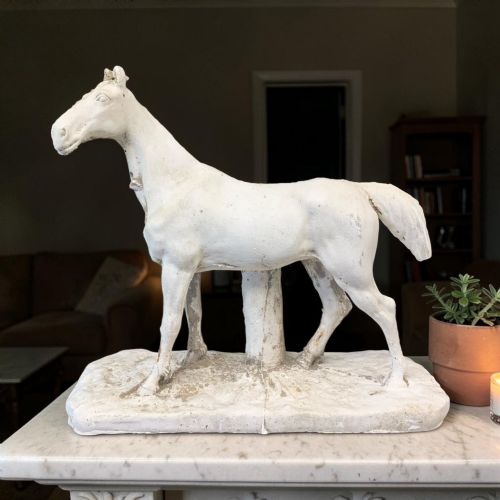
The pieces you meet most often on this page date from the nineteenth century, including studio models of animals, literary figures, and historical subjects. They capture academic study and classical revival tastes, often originating from significant London or continental workshops.
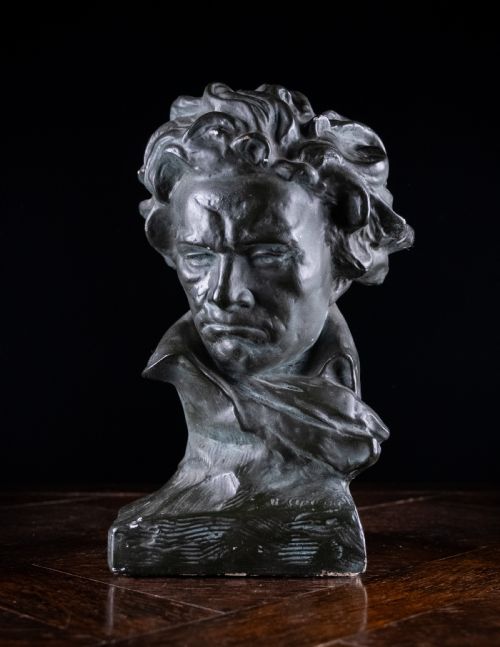
Forms vary widely between framed wall panels, life-size figures, and deep mouldings. Collectors find everything from miniature gypsum intaglio cameo panels to substantial depictions of Beethoven, Napoleon, and classical deities.
The markers of quality
Quality rests in the crispness of the surface detail and the fidelity of the cast to its original source. Finer examples retain sharp facial expressions, clean lettering, and well-defined drapery folds without the softening that occurs in worn or secondary moulds.
The integrity of the material and the character of the surface age also define better pieces. Original painted finishes, untouched patination, and period framing elevate an object far above later commercial reproductions.
One listed nineteenth-century subject is a life-size decorated pug, proving that Victorians loved immortalising their portly pets in plaster just as much as emperors.
D Brucciani Co London·Giovanni Liberotti
The Vintage Plaster Casting Glossary
- Intaglio
- A design engraved into a material so that the impression sinks below the surface. Grand tour collectors often collected these in framed sets.
- Gypsum
- A soft sulphate mineral used to create plaster of Paris. It provides the smooth, fine-grained surface characteristic of academic casts.
- Frieze
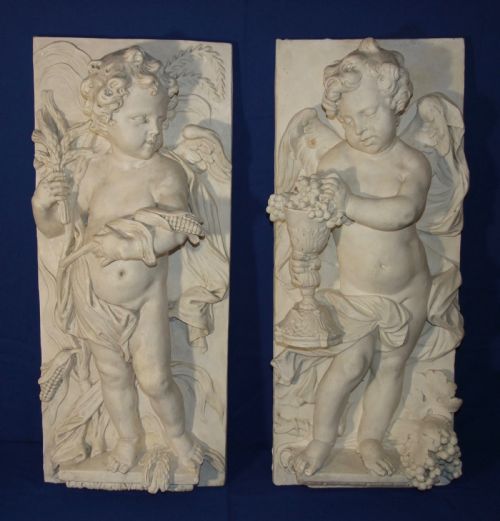
- A broad horizontal band of sculpted decoration. Eighteenth-century examples often depicted winged cherubs or classical processions.
- Death mask
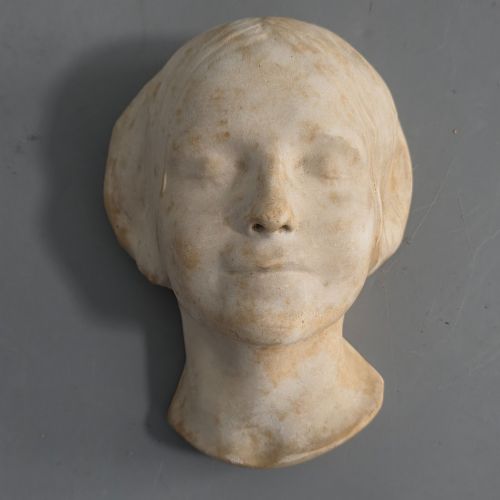
- A cast taken of a person's face shortly after death. Nineteenth-century examples preserve historical likenesses with striking immediacy.
- Grand tour
- The traditional trip of Europe undertaken by upper-class European young men of the eighteenth and nineteenth centuries. Travellers gathered plaster casts and intaglios as proof of their cultural education.
Vintage Plaster Casting: Frequently Asked Questions
How do I clean an old plaster cast?
Dust surfaces gently using a very soft dry brush or a dry microfibre cloth. Avoid all water, damp sponges, and modern chemical cleaners, as moisture softens historical plaster and ruins the surface patination.
Keep pieces away from damp environments and direct sunlight to prevent paint flaking and yellowing over time.
Are these pieces solid plaster?
Most substantial sculptures and busts consist of solid plaster or plaster poured over a supporting interior armature of tow, wire, or wood. Smaller items like intaglios and wall plaques are cast solidly in high-grade gypsum.
Handling requires care because plaster is heavy yet brittle, chipping or cracking easily if dropped against hard surfaces.
How do I date a plaster bust?
Dating relies on the style of the subject, the mounting hardware, the type of paint layer, and any workshop stamps or inscriptions. Nineteenth-century examples often display a denser, harder plaster mix and distinct tool marks to the underside.
Wear patterns, surface dust embedded in recessed areas, and the ageing of any wooden or velvet backing boards also indicate age.
Can I hang plaster wall plaques safely?
Wall plaques and friezes require secure fixings anchored directly into wall studs or heavy-duty wall plugs. Because vintage plaster possesses considerable weight, simple picture wire or small nails usually fail.
Ensure that any integrated hanging loops or metal brackets fixed into the back remain structurally sound before mounting.