





Vintage Plant Box
These vintage plant box pieces bring botanical display into living spaces, combining functional greenery holders with period craftsmanship.
Vintage Plant Box
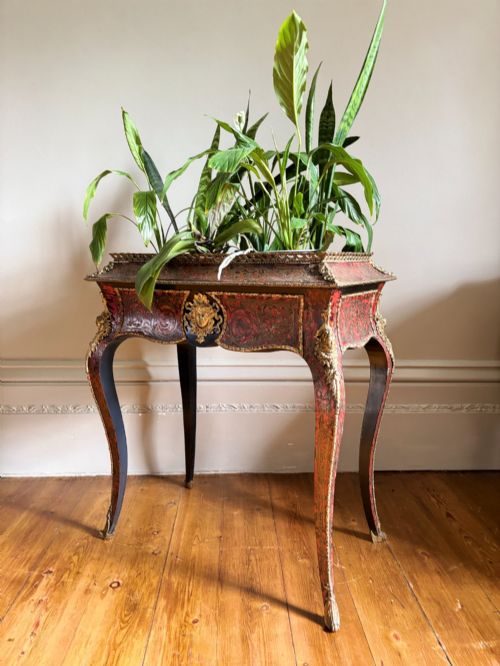
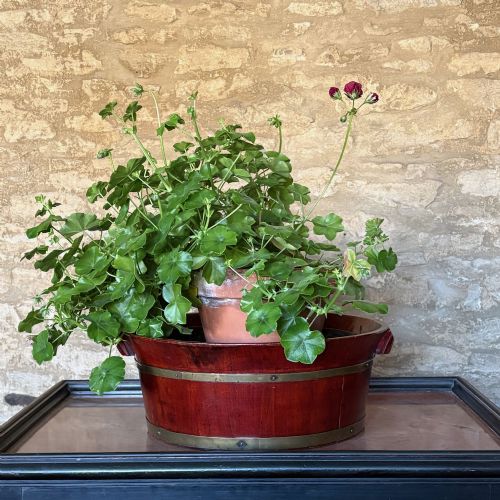
A vintage plant box encompasses jardinieres, planters, jardiniere stands, and hanging baskets designed to house indoor and outdoor flora. Buyers searching for a vintage plant box will find diverse forms ranging from traditional floor-standing holders to wall-mounted baskets.
The pieces appearing on this page span several distinct periods including Georgian, Victorian, Edwardian, and Art Deco eras. Styles vary widely from French Revival and Chinoiserie to Arts and Crafts and Art Nouveau designs.
Origin and form dictate the exact appearance of each piece, with makers employing varied vessel shapes to suit domestic and garden settings. Objects range from mahogany and satinwood stands to wrought iron and brass containers.
Materials and construction methods
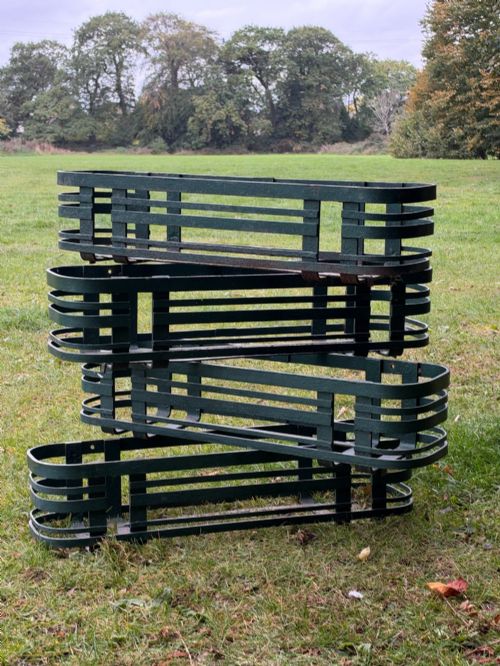
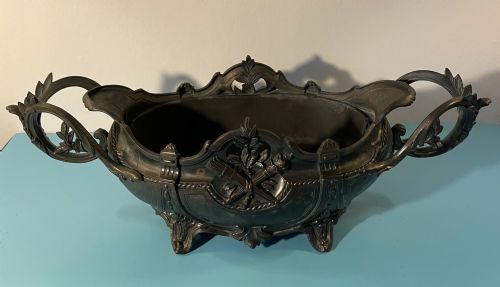
Metalwork dominates many examples, utilising brass, copper, wrought iron, painted iron, and spelter. Artisans shaped these metals through techniques like repoussé work and strapwork construction to build robust plant containers.
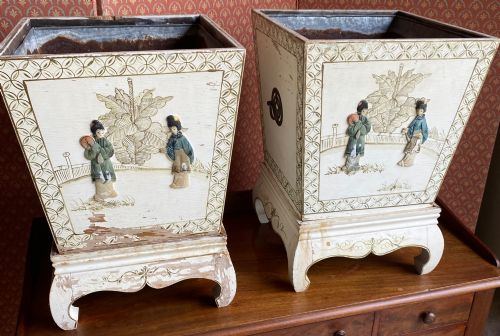
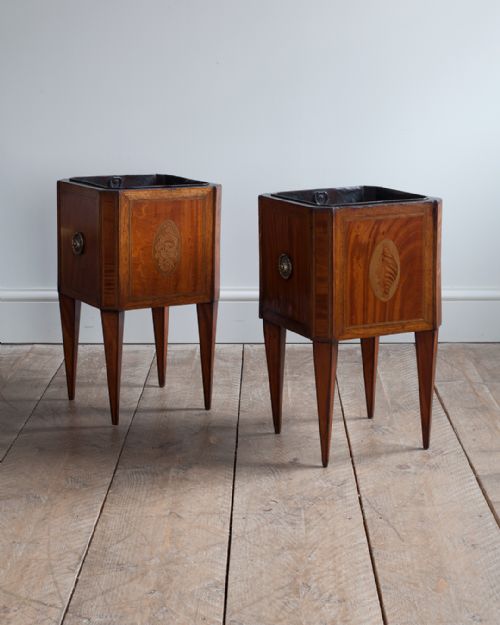
Woodworking traditions also define these pieces, featuring timber varieties such as mahogany, satinwood, and satin walnut. Cabinetmakers applied paint finishes and decorative styles including Japanese influences and Chinoiserie.
Ceramic production appears through majolica work, offering glazed earthenware bodies suited for botanical use.
Vintage Plant Box Retail Price Guide 2026
Typical asking prices for vintage plant box among the pieces listed under this phrase on Sellingantiques today, from the lower quarter to the upper quarter. They describe what is for sale here now, not the wider market.
Listings feature items spanning the 19th Century, Georgian, Victorian, Edwardian, and 1930 periods.
Factors of quality
Material selection establishes the primary division in quality, distinguishing solid cabinet timbers and heavy gauge metals from lighter alloys and painted substitutes. Substantial weight in brass and iron indicates superior construction.
The complexity of decoration separates standard production from finer examples. Repoussé detailing, animal head mounts, and precise strapwork demonstrate higher levels of artisan skill than plain utility vessels.
Julius Dressler
The Vintage Plant Box Glossary
- Jardiniere
- An ornamental pot or stand for holding plants or flowers. These vessels form the majority of decorative plant containers.
- Repoussé
- A metalworking technique where the metal is hammered from the reverse side to form a raised design in relief. This method creates textured animal heads and floral motifs on brass and copper bodies.
- Strapwork
- Ornamental work consisting of flattened bands or strips intersecting to form geometric patterns. This technique provides structural strength and decorative framing on iron planters.
- Majolica
- Opaque tin-glazed earthenware featuring colourful lead glazes. Julius Dressler pieces exemplify this ceramic tradition.
- Spelter
- A zinc alloy used as a substitute for bronze in decorative metal castings. It permits intricate moulding for ornamental mounts and decorative stands.
Vintage Plant Box: Frequently Asked Questions
What is a jardiniere?
A jardiniere is a decorative pot or container specifically designed to hold living plants or floral arrangements. The term derives from the French word for gardener.
These pieces function as decorative cachepots intended to conceal standard growing pots. They sit on floors, tables, or specialised stands.
How do I care for metal planters?
Metal planters require gentle cleaning to preserve their original surface patinas and finishes. Avoid harsh chemical polishes that strip historical age.
Protect interior surfaces from standing water and soil acidity to prevent corrosion. Using a separate inner liner preserves the metal vessel over time.
Where were these plant boxes used?
These botanical containers served both indoor domestic rooms and outdoor garden spaces. Georgian and Victorian interiors utilised them in drawing rooms and hallways.
Iron strapwork baskets and garden planters were positioned on patios, verandas, and exterior walls. They brought structured greenery into controlled architectural environments.
How do I date a wooden planter?
Dating a wooden planter involves examining the timber species, construction joints, and stylistic period details. Mahogany and satinwood indicate specific cabinetmaking eras.
Chippendale styling points toward Georgian aesthetics, while satinwood matches Edwardian preferences. Secondary wood usage and fastener types confirm the manufacturing period.