


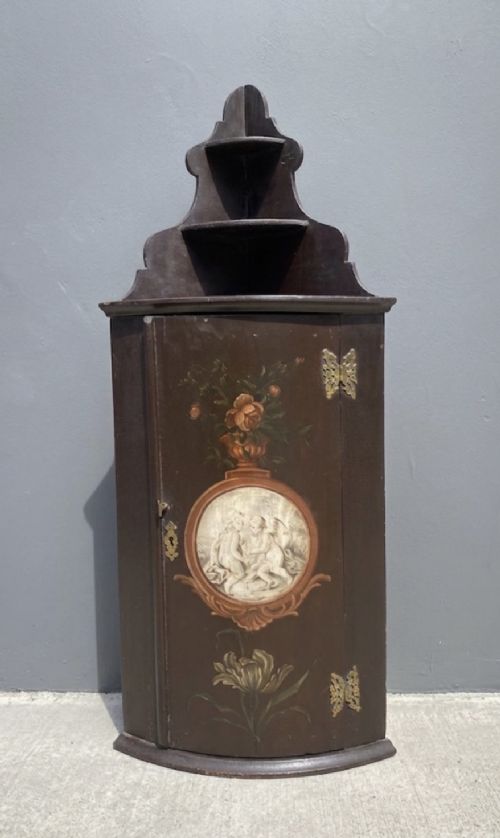


Vintage Pine Wall Unit
These vintage pine wall unit pieces combine practical storage with honest country character, offering sturdy timber construction that suits both modern kitchens and period studies.
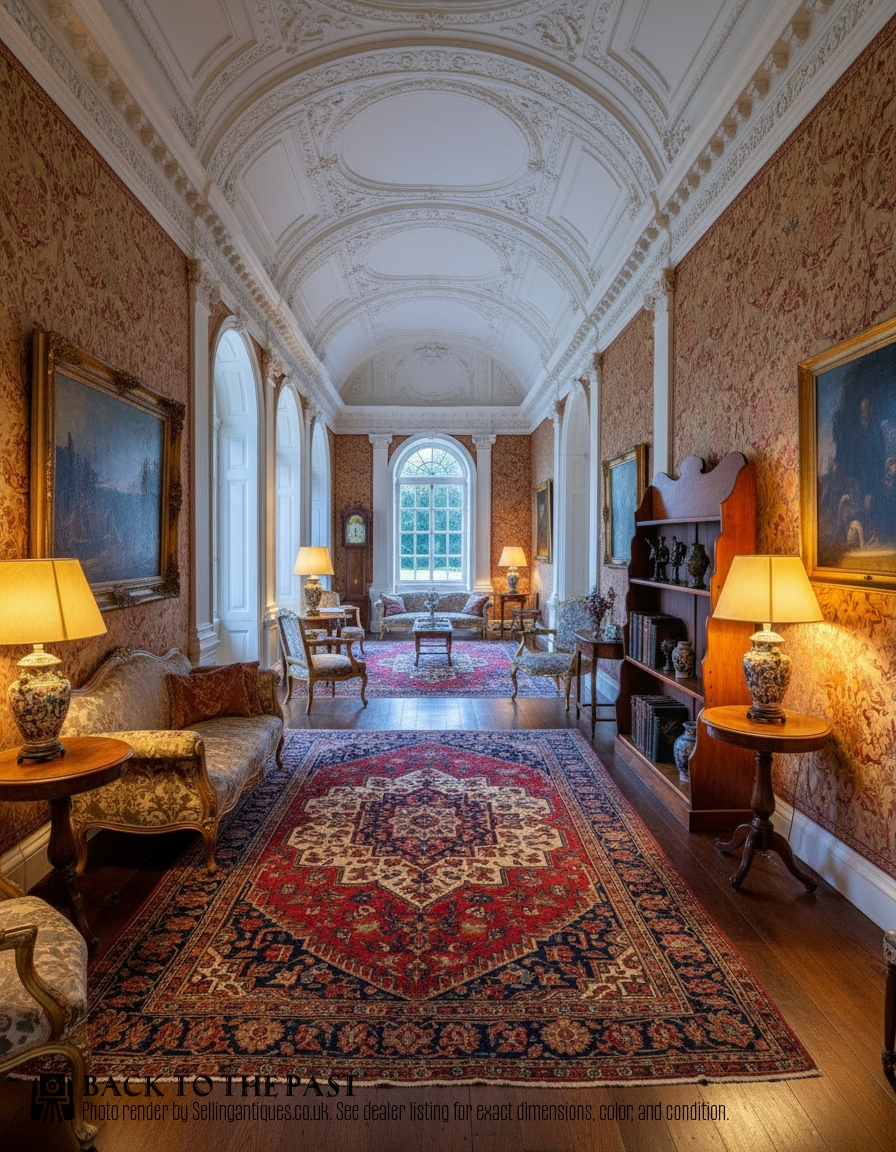
Vintage Pine Wall Unit
A vintage pine wall unit covers wall-hung storage and display furniture built primarily from pine across multiple eras. The pieces on this page span the 18th century, the Victorian period, the Edwardian era, and the 1930s, reflecting diverse domestic needs.
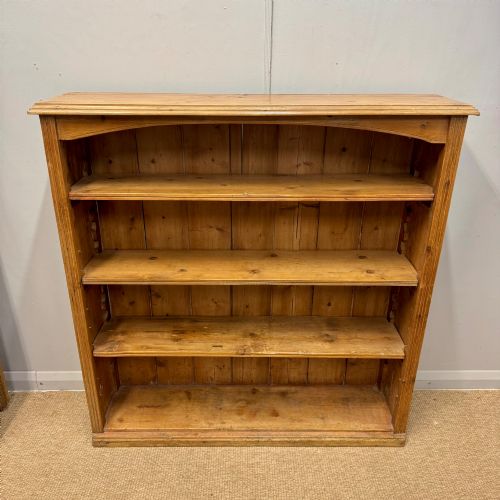
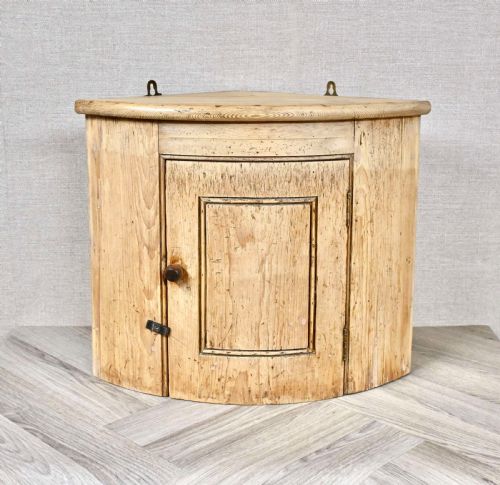
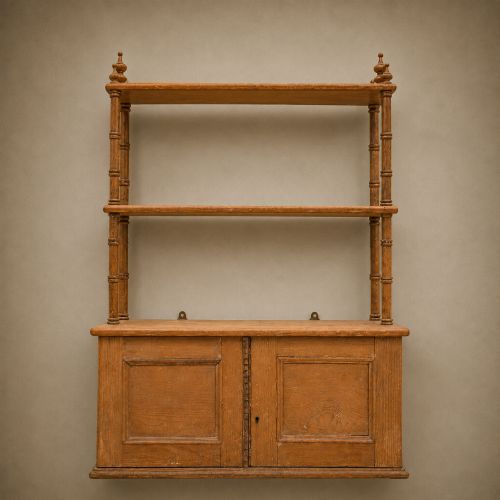
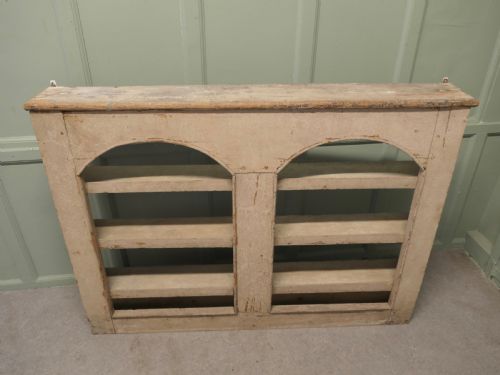
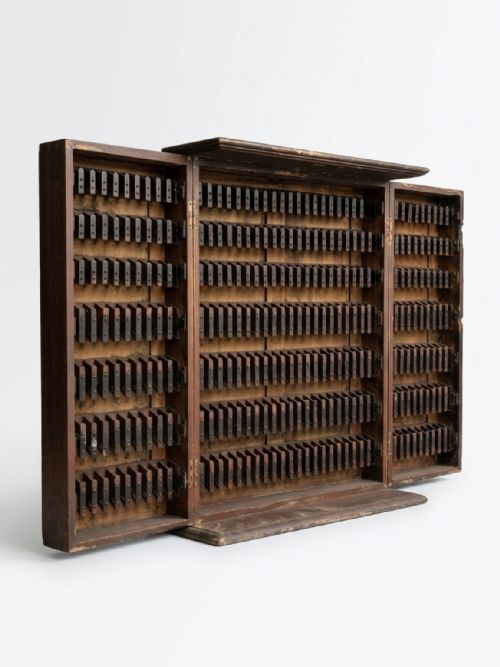
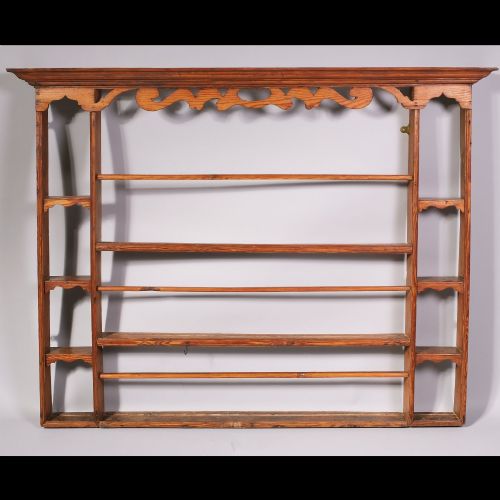
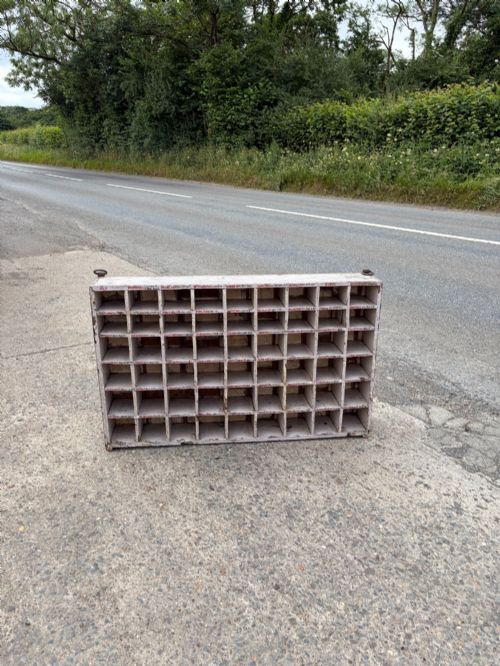
The forms range from open bookcases and adjustable shelving to bow-front corner cupboards, alcove shelving, plate racks, and modular pigeon holes. You will frequently encounter rustic country styles alongside French provincial and Victorian industrial variants.
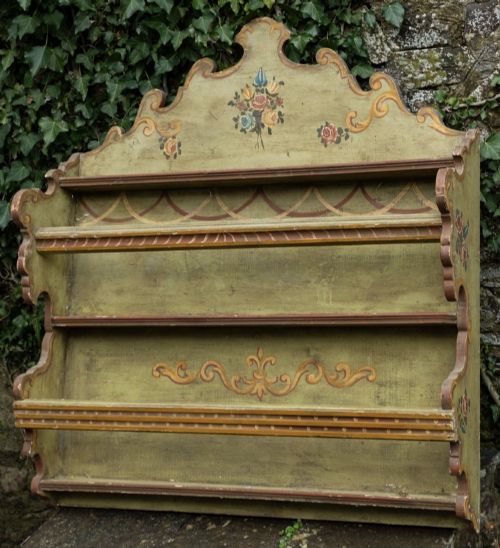
Makers utilised both bare timber and painted finishes, including distemper paint and hand-painted surfaces, paired with iron or brass hardware. These pieces served practical functions in kitchens, offices, and studies, preserving historical utility.
Materials and construction
Makers constructed these units from solid pine, selected for its workability and availability in regional workshops. Iron and brass hardware, such as hinges and brackets, provided structural reinforcement and functional operation.
Surfaces often received protective or decorative treatments, ranging from natural waxed timber to distemper paint and hand-painted details. Joinery techniques relied on traditional carpentry methods suited to everyday domestic furniture.
Railway ticket cupboards once kept busy station clerks sane; today they just make stationery hoarders smile.
Distinctions in quality
Quality rests on the integrity of the timber selection and the retention of original surface finishes, whether bare pine or historic paint. Units that maintain their original hardware and structural stability without excessive timber replacement hold greater integrity.
Proportion and execution distinguish standard utilitarian pieces from more considered vernacular examples, such as those with bow fronts or integrated display shelving.
The Vintage Pine Wall Unit Glossary
- Pine
- A soft timber derived from conifer trees, widely used in British and European vernacular furniture for its accessibility and strength. It takes paint and wax finishes readily.
- Distemper paint
- A water-based paint mixture using a binder such as chalk and animal glue, frequently found on older painted wooden furniture. It dries to a matte finish that chalks slightly over time.
- Pigeon holes
- A grid of small rectangular compartments designed for sorting papers, tickets, or post. They appear in wall-hung cabinets and freestanding desk organizers.
- Plate rack
- A wall-mounted wooden rack featuring vertical slats or grooves designed to hold plates upright for drying or display. They are a staple of country kitchen interiors.
Vintage Pine Wall Unit: Frequently Asked Questions
Where were wall units used?
These pieces were typically hung in kitchens, sculleries, studies, or commercial offices to hold books, crockery, or documents.
Their wall-mounted designs kept workspace surfaces clear while keeping frequently needed items within arm's reach.
How do I date a pine unit?
Dating relies on examining construction methods, nail types, and timber patination alongside stylistic cues from periods like the Victorian era or 18th century.
Original paint layers and hardware also offer reliable clues to a piece's age of origin.
Are painted finishes original?
Many pieces retain historic painted surfaces, including distemper paint and hand-painted decorations applied during the Edwardian period or earlier.
Closer inspection of wear patterns and pigment layering helps determine whether a finish is period-authentic.
How do I hang a heavy pine unit?
Due to the weight of solid timber, secure wall mounting requires fixing directly into wall studs or using heavy-duty masonry anchors suited to the specific wall type.
Professional installation is recommended to ensure the unit safely supports its own weight plus any books or ceramics.