
Wooden Open Bookshelf
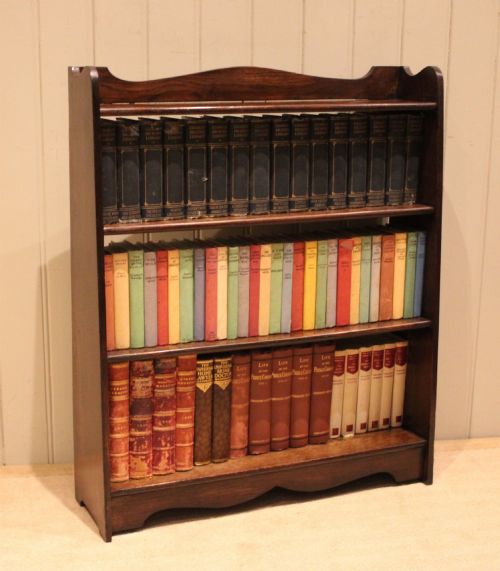
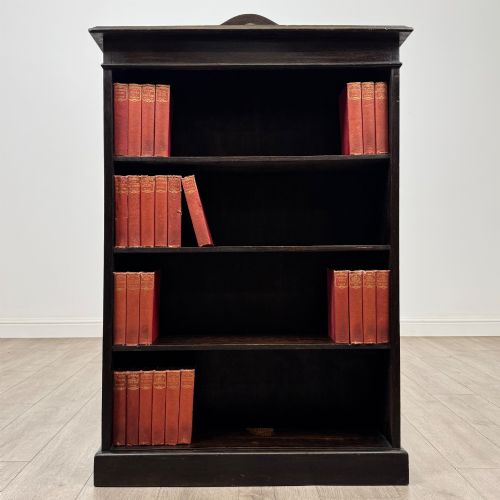
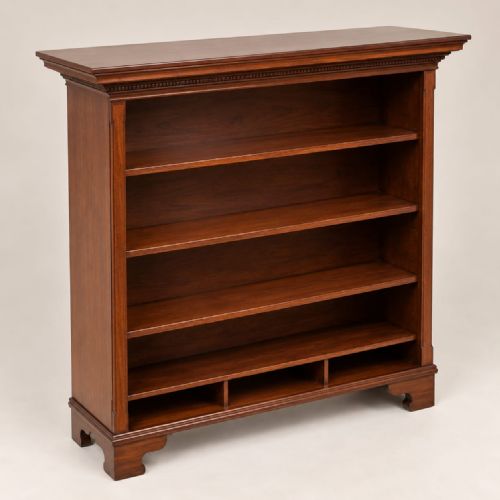
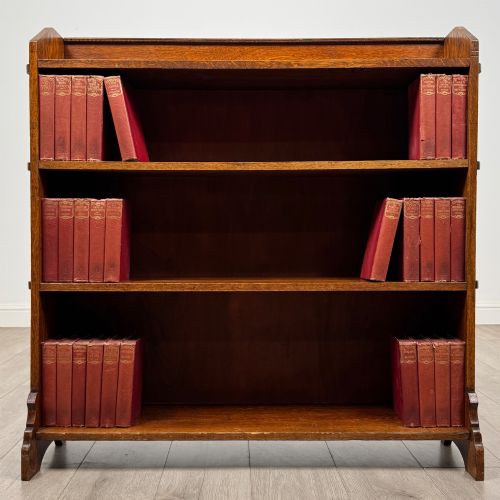
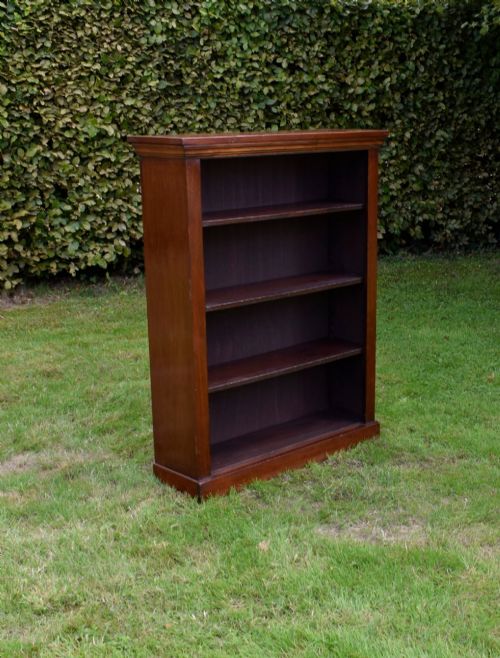
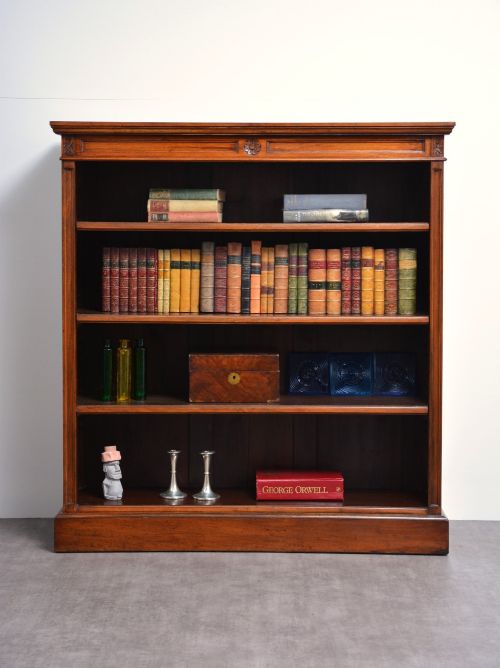
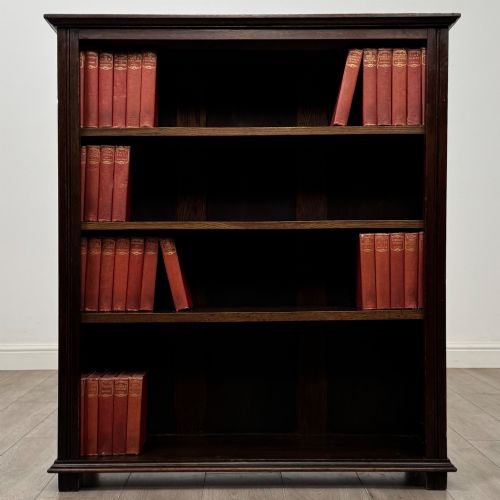
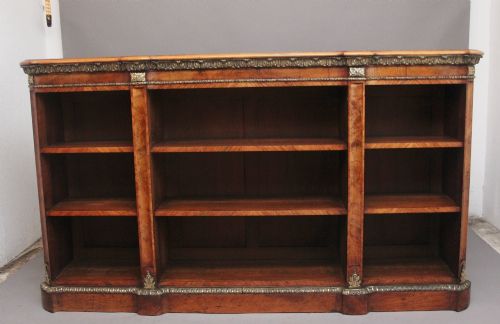
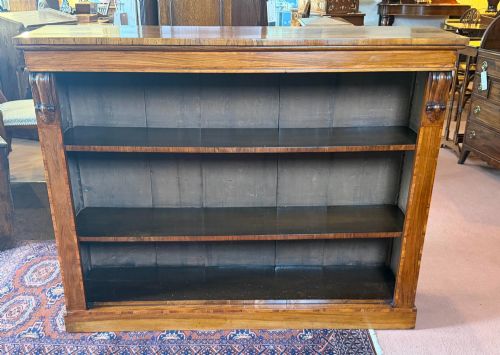
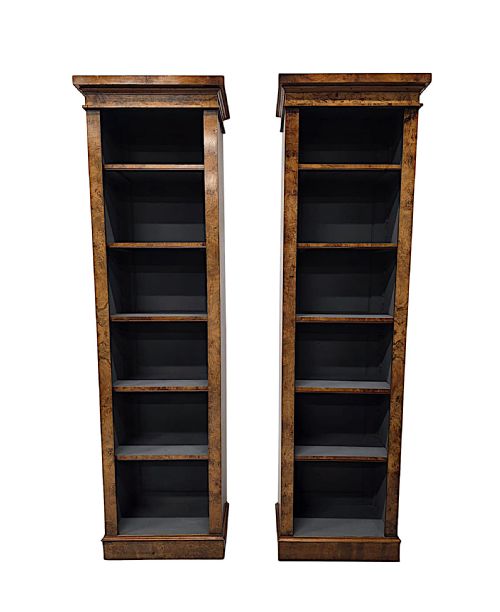
A wooden open bookshelf brings accessible storage and display to a room, offering immediate access to volumes through sturdy timber construction.
Wooden Open Bookshelf
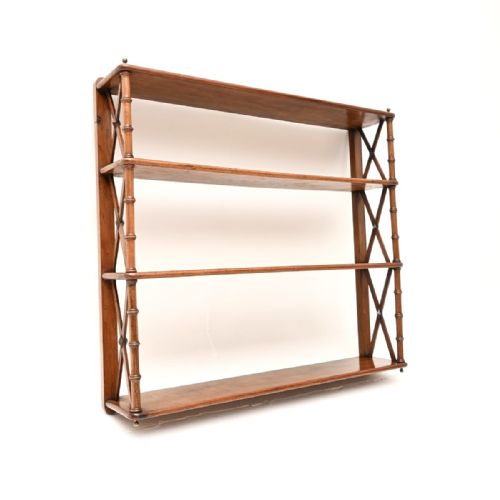
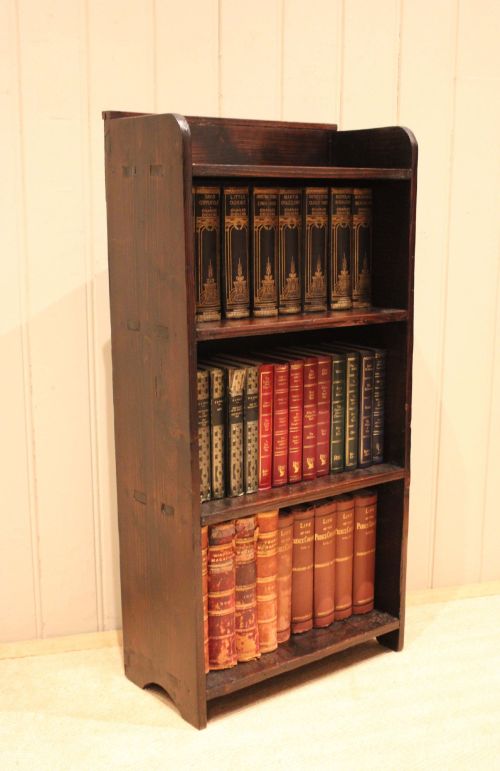
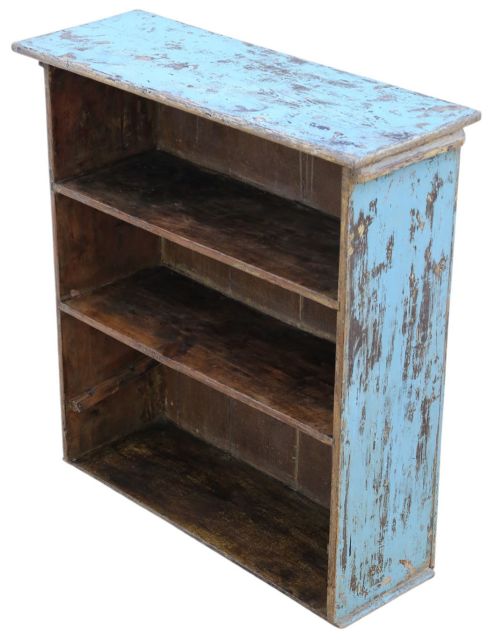
A wooden open bookshelf represents a practical domestic item designed for daily utility, spanning periods from the nineteenth century through the early twentieth century. Buyers seeking this form encounter variations such as wall mounting units, narrow freestanding cabinets, and low rustic designs.
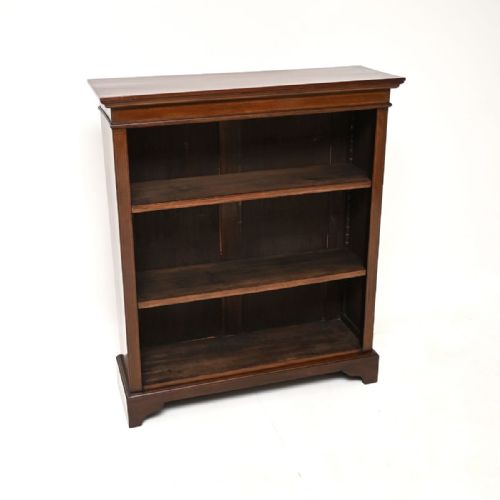
The pieces on this page originate predominantly from the Victorian, Edwardian, and Art Deco eras, reflecting traditional British and continental cabinetmaking. Standard formats include adjustable shelving variants, stepped waterfall structures, and modest rustic country pieces.
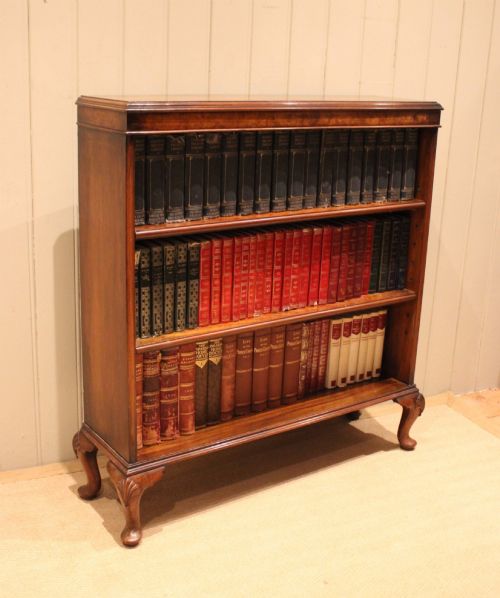
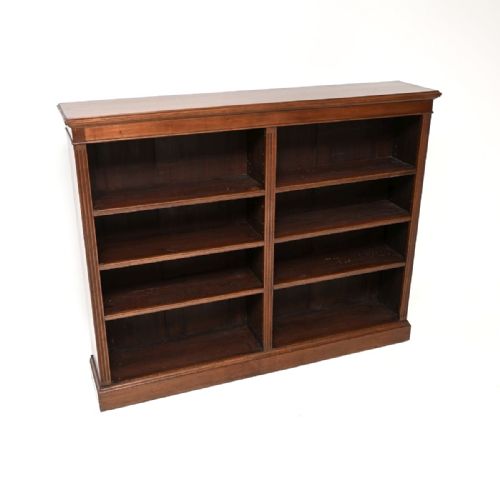
Most examples rely on straightforward vertical formats intended for domestic libraries, studies, and living spaces. The selection ranges from compact early twentieth century oak items to substantial late nineteenth century library editions.
Materials and construction methods
Cabinetmakers utilised hardwoods such as oak, walnut, and mahogany for the primary structure, alongside pine for secondary elements and occasional painted finishes. Timber selection dictated the visual weight of the bookcase, with dense grain patterns defining both Edwardian and Victorian iterations.
Joinery techniques combined traditional panel construction with movable shelf supports, allowing owners to adjust interior heights. Selected pieces incorporate decorative elements such as brass castors, ormolu mounts, inlaid mahogany details, and carved oak surfaces.
Listings feature oak, walnut, mahogany, and pine across Victorian, Edwardian, and Art Deco periods.
Distinctions in construction and timber selection
Superior quality in a wooden open bookshelf rests upon the choice of timber figure, such as burr walnut or figured mahogany, balanced against the integrity of the joinery. Finer examples display meticulous attention to inlaid details, substantial shelf thickness, and original brass hardware.
Simpler pieces constructed from pine or standard oak prioritise utilitarian function over ornamental enrichment. The presence of integrated adjustable shelving mechanisms and solid backboards distinguishes standard workshop production from finer cabinet work.
Johnstone and Jeanes
The Wooden Open Bookshelf Glossary
- Waterfall bookcase
- A tiered shelving unit where each successive shelf steps back from the one below it, creating a cascading profile.
- Adjustable shelves
- Internal boards resting on movable supports that allow the user to alter vertical spacing between tiers.
- Ormolu
- Gilded bronze ornamentation applied to furniture surfaces for decorative contrast.
- Burr walnut
- Timber taken from the wart or growth on a walnut tree, yielding highly figured grain patterns used for decorative veneer.
Wooden Open Bookshelf: Frequently Asked Questions
How do I date an open bookcase?
Dating relies on timber selection, construction methods, and stylistic cues such as Arts and Crafts simplicity or Victorian carved decoration. Secondary wood types and fixings further clarify the period of manufacture.
Examining the shelf adjustment mechanism and backboard construction provides additional chronological markers for pieces spanning the nineteenth and twentieth centuries.
Are shelves usually adjustable?
Many surviving examples incorporate adjustable shelves to accommodate varying book heights. Fixed shelves also appear frequently in smaller rustic and period formats.
Buyers should inspect the interior partitions to determine whether the shelving slots are original to the piece.
Where should I place a wooden bookshelf?
These bookcases suit studies, living rooms, and hallways where quick access to volumes is desired. Wall mounting variants require secure fixing points to support heavy timber loads.
Positioning pieces away from direct heat sources protects the timber and veneer from drying out over time.
How do I care for antique timber?
Routine maintenance involves dusting with a dry cloth and occasionally applying suitable furniture wax to nourish the wood. Avoiding excessive moisture preserves the finish.
Stable room humidity prevents the timber from warping or splitting across the grain.