





Vintage Pine Vanity
These vintage pine vanity pieces range from washstands to dressing chests, offering practical timber character for any bedroom.
Vintage Pine Vanity
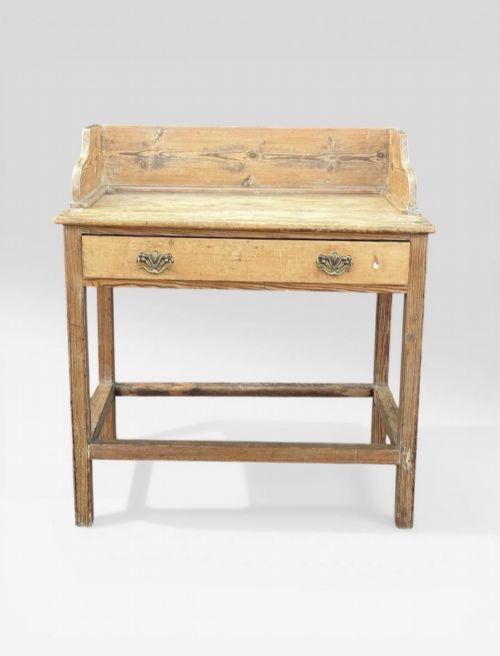
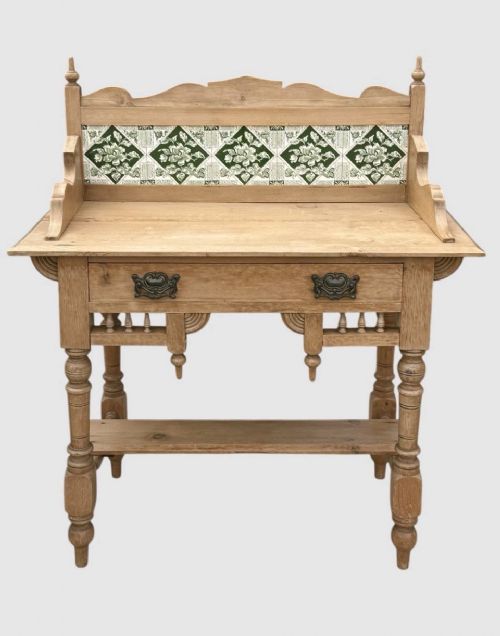
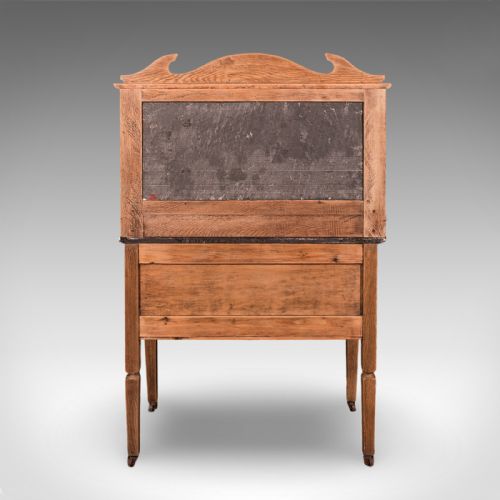
A vintage pine vanity encompasses various utilitarian and personal grooming surfaces found in period homes, primarily taking the form of washstands, dressing tables, and dressing chests. These pieces serve practical functions while introducing warm timber grain or painted finishes to a room.
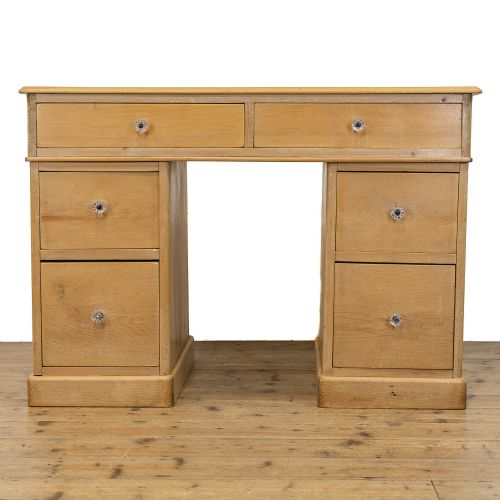
Most examples encountered here originate from the nineteenth and early twentieth centuries, spanning the Georgian, Victorian, and Edwardian eras. Buyers frequently meet washstands and kneehole writing tables built for domestic service and country house bedrooms.
The selection extends from simple rustic farmhouse units to more refined painted pieces and Victorian faux bamboo designs. Each object reflects the domestic habits of its period, from morning ablutions to letter writing.
Materials and construction
Makers relied primarily on solid pine and pitch pine, often combining the timber with glass mirrors, brass hardware, and occasionally marble or ceramic inserts for wash surfaces. Paint, scumble glaze, and original stencilled decoration frequently finish the surfaces.
Joinery techniques reflect traditional cabinet making suited to domestic utility, utilising sturdy panels and drawer construction designed for daily use. Drop leaves, bowfronts, and kneehole pedestals integrate functional storage with accessible proportions.
Vintage Pine Vanity Retail Price Guide 2026
Typical asking prices for vintage pine vanity among the pieces listed under this phrase on Sellingantiques today, from the lower quarter to the upper quarter. They describe what is for sale here now, not the wider market.
Listings feature items spanning the Georgian, Regency, Victorian, and Edwardian periods, constructed from pine, marble, brass, and ceramic.
Assessing quality and character
The distinction between standard utility items and finer examples rests on the execution of decorative details, such as carved elements, original stencilled decoration, or scumble glazing. Superior pieces often feature better proportioned drawer arrangements and intact original hardware.
Surfaces demonstrate varying degrees of wear, with untouched original painted finishes or preserved patination holding particular interest for collectors. The integrity of structural joints and the presence of original mirrors or marble tops further separate everyday items from exceptional survivals.
The Vintage Pine Vanity Glossary
- Washstand
- A piece of furniture designed to hold a basin, jug, and washing accessories before plumbed bathrooms became standard. These frequently feature splashbacks and lower shelves.
- Kneehole
- A desk or dressing table configuration featuring a central recess for the legs, flanked by pedestals of drawers. This layout allows a comfortable sitting position.
- Scumble glaze
- A translucent decorative paint technique applied over a base coat to imitate the grain of more expensive hardwoods. It gained popularity during the Victorian period for pine furniture.
- Faux bamboo
- A style of furniture where solid wood is turned and carved to resemble natural bamboo stalks. This aesthetic appeared frequently in late nineteenth century bedroom pieces.
- Pitch pine
- A durable, resinous variety of pine timber known for its pronounced grain pattern and robust strength. Cabinet makers utilised it for pieces requiring extra durability.
Vintage Pine Vanity: Frequently Asked Questions
How do I clean a painted pine vanity?
Dust the surface regularly with a soft, dry cloth to prevent accumulation of dirt.
Avoid harsh chemical cleaners that might strip original paint or stencilled decoration.
Were these pieces used for washing or dressing?
Washstands were built specifically to hold basins and water jugs for morning routines.
Dressing tables and chests provided surfaces and drawers for personal grooming and clothing storage.
Can I use a washstand as a modern basin unit?
Many buyers adapt vintage washstands into bathroom sink surrounds with appropriate plumbing modifications.
Ensure the timber receives proper sealing to protect against water splashes and humidity.